




The Science of a Sizzling Fry
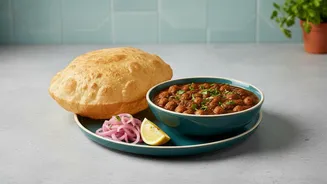
Deep frying is a science of heat and moisture. When you slide a bhatura into hot oil, typically heated between 180°C and 200°C, the moisture within the dough rapidly turns into steam. This escaping steam creates the immediate, vigorous bubbling and helps
the bhatura puff up. Crucially, this process forms a crispy outer layer that prevents the food from absorbing too much oil. For this to happen perfectly, the oil temperature must remain consistently high. If the temperature drops too much, the crust doesn't form quickly enough, leading to a soggy, oil-logged result.
The Problem with Overcrowding
It’s tempting to slide two or three bhaturas into the kadai to speed things up, but this is a common mistake that sabotages the result. Adding food to hot oil always causes the temperature to drop. When you add multiple pieces at once, the temperature drop is significant and rapid. The pan becomes overcrowded, trapping the steam released from the dough. Instead of frying in hot, dry conditions, the bhaturas end up steaming in their own moisture. This stewing effect prevents browning and crisping, resulting in a pale, dense, and greasy product.
The Single-Fry Solution for Stability
Frying one bhatura at a time is the ultimate form of temperature control in a home kitchen. While adding a single bhatura still lowers the oil's heat, the drop is minor and the oil can recover to the ideal frying temperature much more quickly. This allows the Maillard reaction—the chemical process that creates the delicious golden-brown crust and flavour—to happen effectively. By giving each bhatura its own space, you ensure it is constantly surrounded by consistently hot oil, allowing it to puff up perfectly and cook through without becoming saturated with grease. Patience in this stage is rewarded with a far superior texture and taste.
A Practical Guide to Perfect Frying
To put this principle into practice, start with a heavy-bottomed kadai or pot, which retains heat better. Use a neutral oil with a high smoke point, like canola or vegetable oil. The most important tool is a cooking thermometer. Heat your oil to the ideal temperature range of 180°C-200°C. Before adding your first bhatura, you can test the oil by dropping a tiny piece of dough into it; it should sizzle and rise to the surface quickly. Add one rolled-out bhatura and gently press it with a slotted spoon to encourage puffing. Fry until light golden brown on both sides, then remove it and let the oil return to the target temperature before adding the next one. This brief pause is essential for maintaining control.
This Rule Applies to More Than Bhaturas
This principle of not overcrowding the pan isn't exclusive to making bhaturas. It applies to nearly all fried foods, from puris and pakoras to french fries and fried chicken. Any time you want a crisp, golden exterior, you need to give your food enough space to prevent it from steaming. Cooking in batches is a fundamental technique for achieving professional-quality results in your own kitchen. It ensures that each piece of food gets the direct, high heat it needs to develop flavour and the right texture, transforming your cooking from good to great.