





A Fragile Landscape
This latest event, which buried a key highway in Pithoragarh under tonnes of rock and mud in late August 2026, is not an isolated incident. It is part of a long and devastating pattern of natural disasters, many of which are now amplified by climate change
and rapid, often unregulated, development. For the people living in these mountains, each monsoon brings a familiar sense of dread, as the very ground beneath them can become an unstoppable force. This recurring danger is etched in the memory of the nation, with each new disaster evoking the ghosts of tragedies past. Here is a look back at seven major events that have shaped the modern history of the Indian Himalayas.
1. The Sikkim GLOF, 2023
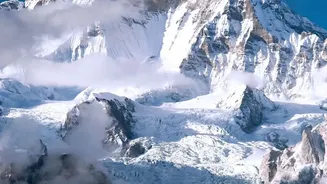
In October 2023, the South Lhonak glacial lake in Sikkim breached its banks, unleashing a catastrophic Glacial Lake Outburst Flood (GLOF). Heavy rains had weakened the moraine dam containing the lake, but the final trigger was a massive landslide that plunged into the water, creating a tsunami-like wave. The resulting flood tore down the Teesta valley, destroying the Chungthang dam in minutes and causing water levels to rise by 20 feet. The disaster claimed over 50 lives, with dozens more missing, highlighting the growing threat from melting glaciers and unstable slopes in the climate-sensitive high Himalayas.
2. The Chamoli Disaster, 2021
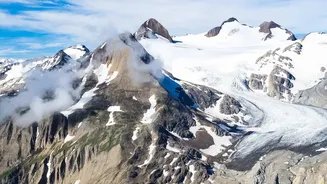
On a clear February morning in 2021, a massive chunk of rock and ice broke off from Ronti Peak in Uttarakhand’s Chamoli district. It was not a GLOF, as initially suspected, but a huge rockslide that generated so much friction and heat that it melted the ice within it, transforming into a fast-moving, concrete-like slurry of debris and water. The torrent roared down the Rishiganga and Dhauliganga river valleys, obliterating two hydropower projects and killing over 200 people, most of whom were workers at the construction sites.
3. The Kedarnath Deluge, 2013
Arguably one of India’s worst natural disasters, the Kedarnath tragedy was the result of a devastating combination of events in June 2013. Unusually heavy monsoon rains, coupled with the melting of the Chorabari glacier, caused the Chorabari glacial lake to burst its banks. This unleashed a furious torrent down the Mandakini river, flooding the entire Kedarnath valley. The official death toll was over 4,000, with many more thousands reported missing, presumed dead. The floods washed away buildings, roads, and bridges, leaving an indelible scar on the state of Uttarakhand.
4. The Nepal Earthquake, 2015
While its epicentre was in Nepal, the magnitude 7.8 earthquake of April 2015 was a Himalayan disaster with devastating trans-boundary consequences. The quake killed nearly 9,000 people in Nepal and injured thousands more. Its tremors were strongly felt across northern India, triggering avalanches and causing widespread panic. The event highlighted the immense seismic risk along the Main Frontal Thrust, where the Indian plate is pushing under the Eurasian plate. It served as a grim reminder that a major earthquake in the central Himalayas could have catastrophic consequences for the densely populated plains of India.
5. The Ukhimath Cloudbursts, 2012
Less than a year before the Kedarnath catastrophe, a series of cloudbursts in the Ukhimath area of Rudraprayag district in September 2012 offered a deadly preview. The intense rainfall triggered flash floods and landslides that flattened homes in several villages, killing over 30 people while they slept and leaving dozens more missing. The event was a stark warning about the vulnerability of the Mandakini valley region, the same area that would face an even greater tragedy just months later, underscoring the recurring nature of these extreme weather events.
6. The Chamoli Earthquake, 1999
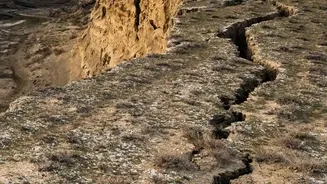
In March 1999, a powerful earthquake measuring 6.8 on the Richter scale struck the Chamoli district. The quake killed over 100 people and caused extensive damage, destroying or damaging nearly 50,000 houses across several districts in what is now Uttarakhand. The ground cracked, roads were severed by landslides, and communications were cut off, hampering rescue efforts in the remote, mountainous terrain. This event exposed the region's extreme vulnerability to seismic shocks, a danger that persists today due to the active tectonic plates beneath the Himalayas.
7. The Malpa Landslide, 1998
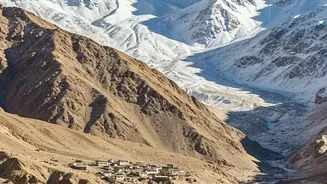
One of the most tragic landslides in Indian history occurred in August 1998, when a massive rockfall completely obliterated the village of Malpa in Pithoragarh district. Weakened by incessant rains, a mountainside collapsed in the middle of the night, burying the hamlet and a camp of pilgrims on the Kailash Manasarovar Yatra route. A total of 221 people were killed, including the noted dancer Protima Bedi. The event showed how quickly an entire settlement could be erased, demonstrating the inherent instability of the Himalayan slopes, especially during the monsoon.