






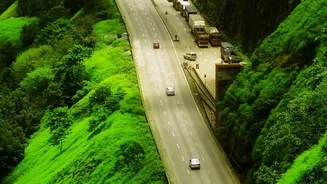
From Colonial Retreats to Concrete Jungles
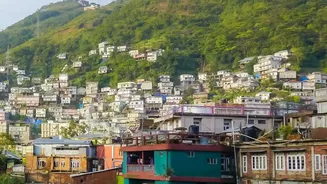
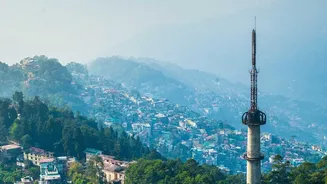
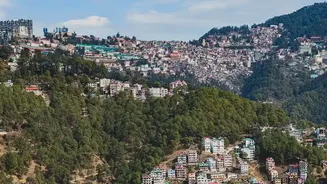
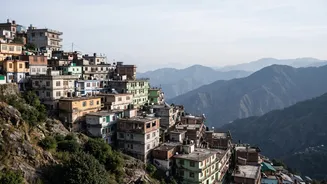
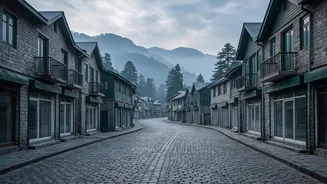
Destinations like Shimla, Mussoorie, and Darjeeling were established as tranquil escapes from the heat of the plains. Their colonial architecture and planned layouts were designed for a fraction of their current population. Today, that quaint infrastructure
is collapsing under the weight of its own popularity. Shimla, originally planned for 25,000 people, now contends with a population that can swell to many times that, especially during peak season. The once-leisurely Mall Roads in Shimla and Manali are now often packed shoulder-to-shoulder, with the charm of a peaceful stroll replaced by the stress of navigating a crowd. This transformation from serene hideaway to overcrowded urban centre is the most visible symptom of a deeper crisis.
The Engine of Overdevelopment
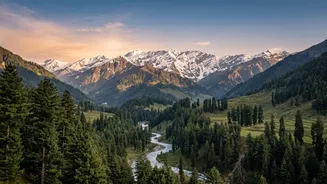
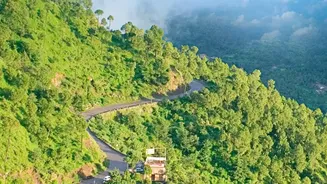
The boom in domestic tourism, driven by a growing middle class and the desire to escape increasingly severe heatwaves, is a primary cause. This surge has created a relentless demand for more hotels, guesthouses, and roads. While tourism provides crucial income and employment for local communities, the development is often unplanned and unregulated. Forests are cleared and slopes are cut to make way for new construction, weakening the fragile Himalayan geology and increasing the risk of landslides. This cycle of demand and unchecked supply is rapidly eroding the very natural beauty that attracts visitors in the first place, turning scenic landscapes into a chaotic sprawl of concrete.
An Ecosystem Under Unbearable Strain
The environmental consequences of this overcrowding are severe and multifaceted. Water scarcity has become a critical issue, with many hill stations facing acute shortages during peak tourist season. Local residents often face water rationing while hotels cater to the demands of visitors. Waste management is another major challenge. Popular destinations like Manali can generate metric tonnes of solid waste daily during tourist season, far exceeding the capacity of local municipalities. This garbage often ends up in open dumps on hillsides, contaminating soil and water sources and creating an environmental hazard. The sheer volume of vehicles contributes to air and noise pollution, with traffic jams stretching for kilometres on narrow mountain roads.
The Human Cost of a Holiday Rush
While the economic benefits of tourism are undeniable, the social fabric of these towns is also under pressure. The cost of living for permanent residents often rises, and the authenticity of local culture can become diluted by commercialisation. The strain on public services—from water supply to public transport—affects locals year-round. Moreover, the frenetic pace of modern tourism, focused on ticking off sights and capturing the perfect photo, leaves little room for genuine connection with the place or its people. The experience becomes less about enjoying nature and more about navigating logistics.
A Glimmer of Hope? The Search for Solutions
Recognising the crisis, there is a growing conversation around sustainable alternatives. The National Green Tribunal (NGT) has intervened in several cases, taking notice of the damage caused by unregulated tourism and waste. Some state governments, like Himachal Pradesh, are promoting ecotourism and developing new, lesser-known destinations to distribute the tourist load. Initiatives include creating sustainable trekking trails, promoting homestays, and involving local communities in conservation efforts. However, these efforts face the enormous challenge of shifting a tourism model built on volume towards one built on sustainability. Experts argue for stricter regulations, including caps on visitor numbers and vehicles, to protect these fragile zones.