




A Jewel of the Changthang Plateau
Tso Moriri, which translates to 'Mountain Lake', sits at a staggering altitude of over 4,500 metres (around 14,836 feet). This makes it the largest high-altitude lake located entirely within India. Stretching nearly 26 kilometres in length and up to 8 kilometres in width,
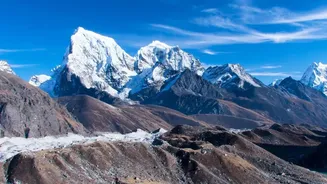
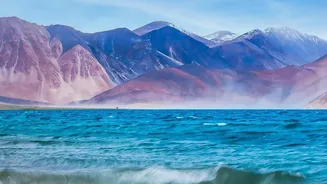
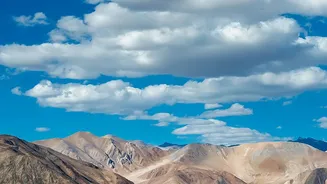
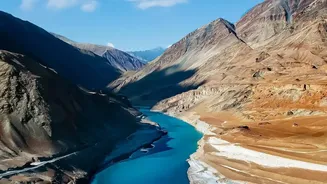
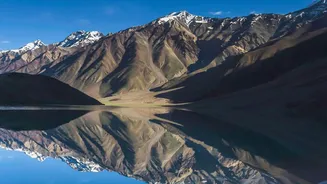
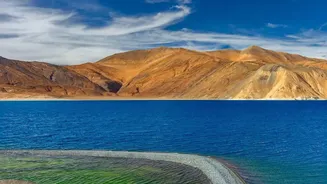
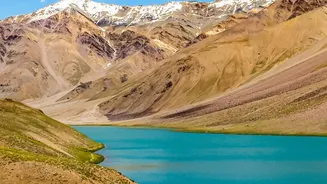
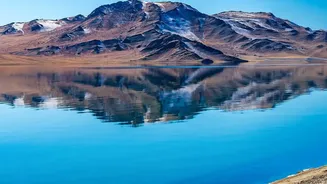
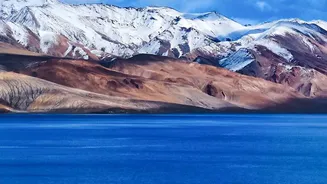
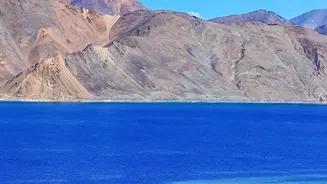
its brackish waters are fed by glacial streams from the surrounding snow-capped peaks. The lake’s most striking feature is its palette of deep blues, which constantly shifts with the changing light, set against a backdrop of barren, majestic mountains. This remote location in the Rupshu Valley, roughly 240 kilometres southeast of Leh, contributes to its pristine and untouched character.
An Ecological Haven and Ramsar Site
The lake's importance extends far beyond its scenic beauty. Tso Moriri is a designated Wetland of International Importance under the Ramsar Convention, recognised as the highest Ramsar site in the world. This protected status as the Tso Moriri Wetland Conservation Reserve is crucial for the unique biodiversity it supports. The area is a vital breeding ground for several bird species, most notably the endangered black-necked crane, for which this is the only breeding ground in India outside of China. It's also the sole breeding ground in the country for bar-headed geese and attracts other rare species like the Brahminy duck and brown-headed gulls. The surrounding Changthang Wildlife Sanctuary is home to mammals like the kiang (Tibetan wild ass), marmots, blue sheep (bharal), and even the elusive snow leopard.
The Human Element: Korzok and the Changpa Nomads
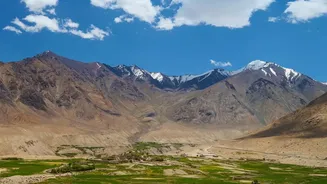
On the northwestern bank of the lake lies Korzok, one of the highest permanently inhabited villages in the world. This ancient settlement is home to the Korzok Monastery, a 300-year-old Buddhist gompa that serves as a spiritual anchor for the local community. The region is the domain of the Changpa nomads, a semi-nomadic community that has traversed these high-altitude plains for centuries. Living in traditional yak-hair tents called 'rebos', they herd pashmina goats, yaks, and sheep, embodying a life of resilience in harmony with the harsh environment. The monastery and the village offer a profound glimpse into a traditional Ladakhi way of life that is deeply connected to the land and the lake.
Planning Your Journey: Permits and Practicalities
Reaching Tso Moriri requires planning. Due to its proximity to the Line of Actual Control (LAC), all visitors—both Indian nationals and foreign tourists—must obtain an Inner Line Permit (ILP). These permits can be applied for online or in Leh. The most common route is a 5-6 hour drive from Leh via Chumathang, a journey that is both rugged and scenically rewarding. The best time to visit is during the summer months, from May to September, when the weather is most favorable and the roads are accessible. Given the extreme altitude, proper acclimatization is crucial. It is highly recommended to spend at least two to three days in Leh (at 3,500m) before ascending to Tso Moriri to avoid Acute Mountain Sickness (AMS).
Responsible Tourism in a Fragile Ecosystem
The very remoteness that makes Tso Moriri so special also makes its ecosystem incredibly fragile. As a protected reserve, there are strict rules in place, including a ban on pitching tents or constructing anything along the lake's immediate shores. Visitors are encouraged to practice responsible tourism: carry out all waste, avoid disturbing the wildlife, and be respectful of the local culture. Accommodation is available in the form of homestays and fixed tented camps in Korzok village, offering an authentic and low-impact way to experience the region. By travelling mindfully, visitors can help preserve this high-altitude sanctuary for generations to come.