





The Stress of the Shuffle
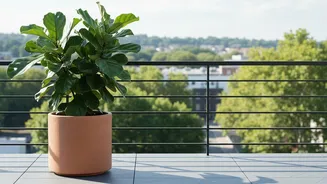
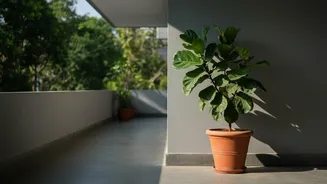
Plants are not designed to be mobile. Every time you move a plant, even a few feet, you're introducing a significant change to its environment. The light intensity, humidity, and temperature are all different, forcing the plant to constantly readjust.
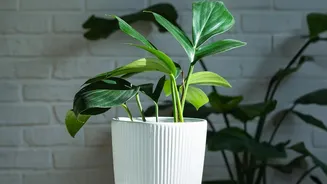
Botanists refer to this as a "reset," a period where the plant must halt its normal processes to acclimate. This constant readjustment consumes a lot of energy that could otherwise be used for new growth. Instead of thriving, a plant that's frequently moved may exhibit signs of stress like slowed or stunted growth, uneven leaves, and general unhappiness. They crave consistency far more than they crave a few extra hours of perfect sunlight.
Why Plants Crave Consistency
Plants have internal biological rhythms, much like our own circadian rhythms, that are regulated by light and dark cycles. These cycles dictate essential functions like photosynthesis (creating energy), growth, and rest. A predictable light schedule allows a plant to perform these functions efficiently. It learns when to expect 'daylight' for energy production and when to anticipate 'night' for recovery. This stability helps them build stronger stems and healthier leaves. When the light source is erratic, it disrupts these natural processes, leading to weak or leggy growth as the plant struggles to find and adapt to a reliable source of energy.
The Science of Leaning
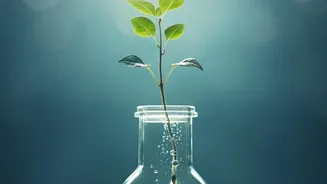
The tendency of plants to lean or bend toward a window is a natural response called phototropism. It's driven by a hormone called auxin, which accumulates on the shaded side of the stem, causing those cells to grow longer and effectively bending the plant toward the light. While this is a clever survival mechanism, constant repositioning to 'straighten' the plant just forces it to start this energy-intensive process all over again. A better approach is to provide a light source that is more consistent and ideally positioned from above, mimicking the sun. This encourages even, upright growth without the constant stress of reorientation.
Embrace the 'Backup Sun'
For many homes in India, especially in apartments or during the monsoon season, consistent natural light can be a challenge. This is where grow lights become an invaluable tool. A grow light acts as a reliable 'backup sun,' providing the specific spectrum of light that plants need for photosynthesis, regardless of the weather or time of day. This allows you to create a perfect, stable environment for your plants in almost any corner of your home, turning a dark room into a potential green oasis. Using a simple timer with your grow light automates the process, ensuring your plants get a predictable amount of light each day without any effort on your part.
Getting Started with Grow Lights
The world of grow lights can seem technical, but for most houseplants, a simple approach works best. Full-spectrum LED grow lights are an excellent choice as they are energy-efficient, produce little heat, and provide the range of light plants need. You can find them as standalone lamps or as bulbs that can be fitted into your existing fixtures, offering a cheap and flexible option. For placement, LED lights can be positioned as close as 6-12 inches above your plants to provide adequate energy without the risk of burning the leaves. Starting with a schedule of 12-14 hours of light per day is a good baseline for most common indoor plants, which can be adjusted based on the plant's specific needs and response.