




A Metal Forged in Cosmic Violence
Most elements are born inside stars. Through nuclear fusion, stars spend their lives smashing lighter atoms together to create heavier ones, like the oxygen we breathe and the carbon that forms the basis of life. But this process stops at iron. Creating
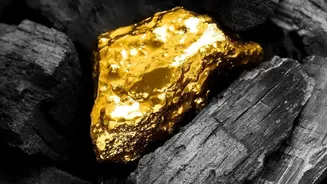
elements heavier than iron, such as gold, uranium, and platinum, requires an enormous amount of energy that a typical star just doesn't have. For these precious materials, the universe needs a far more violent and spectacular forge. For decades, scientists believed massive exploding stars, or supernovae, were the primary source. While they do create some heavy elements, recent discoveries have pointed to an even more dramatic origin story.
The Collision of Neutron Stars
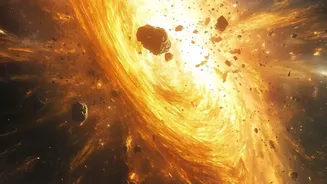
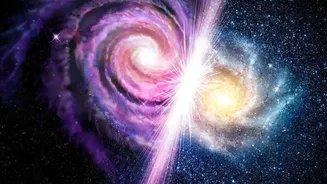
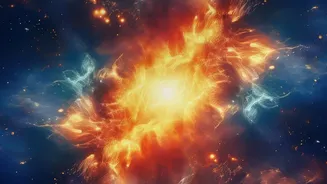
The leading explanation for the universe's platinum supply is the cataclysmic merger of two neutron stars. A neutron star is the super-dense husk left behind after a massive star explodes. They are so dense that a teaspoon of their material would weigh billions of tonnes. When two of these stellar remnants, locked in a gravitational dance, finally spiral into each other, the resulting collision is an event of unimaginable power known as a kilonova. This cosmic crash unleashes a torrent of neutrons and energy, creating the perfect, chaotic environment for the rapid formation of the heaviest elements. In an instant, huge quantities of platinum are created and blasted out into space.
From Stardust to Your Jewellery Box
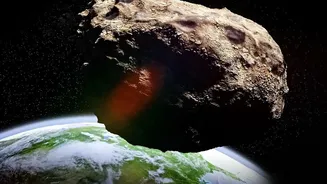
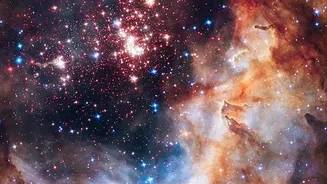
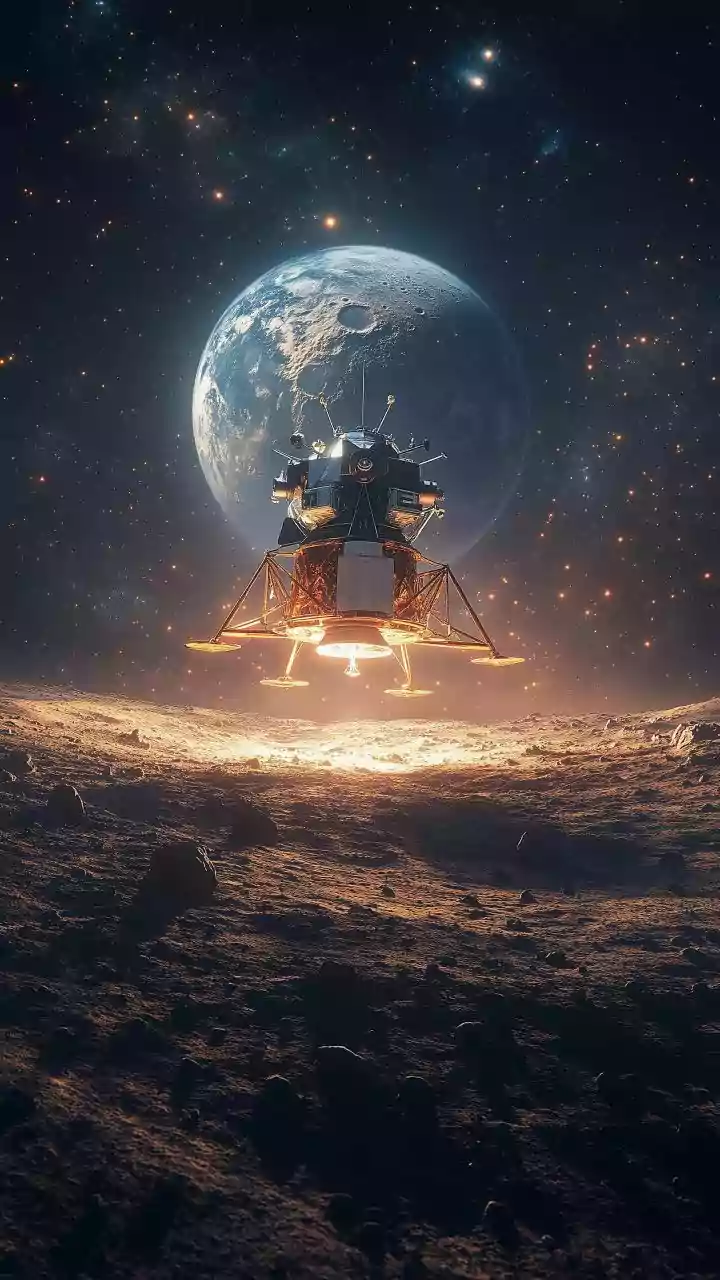
The platinum atoms forged in these ancient collisions didn't just stay put. They were flung across the galaxy as part of vast clouds of gas and dust. For millions or even billions of years, this material drifted through interstellar space. Eventually, this stardust, enriched with heavy elements from countless stellar events, found its way into a new nursery for stars and planets. About 4.6 billion years ago, one such cloud of gas and dust began to collapse under its own gravity, forming our Sun and the swirling disc of material that would become the planets, including Earth. The platinum atoms from that long-ago neutron star merger became part of our world's geological makeup.
Proof Written in the Stars (and Meteorites)
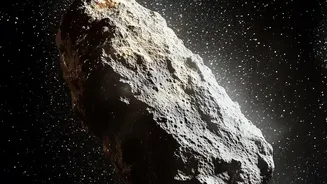
How can scientists be so sure about this incredible journey? The theory was bolstered in 2017 when astronomers observed the gravitational waves and light from a neutron star merger for the first time. The light signature from the event, named GW170817, was a near-perfect match for theoretical models that predicted the creation of massive amounts of gold and platinum. Further evidence comes from studying meteorites that fall to Earth. Some of these space rocks contain tiny mineral deposits called presolar grains, which are materials that condensed around ancient stars and survived the formation of our solar system. These tiny time capsules prove that matter from other, older star systems was incorporated into our own.
Wearing a Piece of Cosmic History
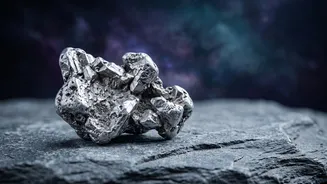
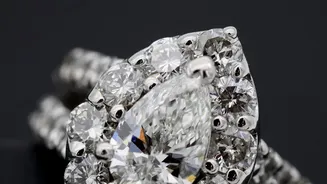
Platinum's rarity on Earth is a direct result of its exotic origins. It's not something our planet, or even our Sun, can create. It had to be delivered from the cosmos. So the next time you hold a piece of platinum jewellery, take a moment to appreciate its true legacy. Its atoms are not just old; they are witnesses to one of the most powerful events the universe can offer. They travelled across unimaginable distances and eons of time to become part of the dust cloud that formed Earth. That elegant ring or pendant is more than an accessory; it's a tangible link to the life and death of stars that existed long before our solar system was even a dream. It is, quite literally, a piece of stardust.