






The Power of a Soft Focal Point
Forget the limitations of framed prints; a large piece of fabric can transform a room in a way that other art forms cannot. Textiles bring a unique combination of texture, depth, and softness that instantly makes a space feel warmer and more inviting.
Unlike a flat painting, a hanging textile has a three-dimensional quality that interacts with light, creating subtle shadows and a sense of movement. This tactile nature not only draws the eye but can also improve a room's acoustics by dampening sound and reducing echo—a welcome bonus in large, open-plan living areas or rooms with high ceilings. A textile acts as a sort of cozy mural, anchoring the space and making a bold statement without overwhelming it.
A Renter’s Best Friend
For those living in rented accommodation, decorating can be a frustrating exercise in compromise. Rules against drilling, painting, or making any permanent alterations often leave walls bare and devoid of personality. This is where oversized textiles truly shine as a design solution. They offer maximum visual impact with minimal, and often zero, damage to walls. Lightweight fabrics can be hung with simple nails that leave only tiny pinpricks, while many damage-free adhesive hooks and strips are strong enough to support even heavier pieces. This allows renters to create a dramatic focal point—similar to an accent wall—without a single drop of paint, ensuring they can easily take their decor with them and leave the walls just as they found them.
Choosing Your Textile Champion
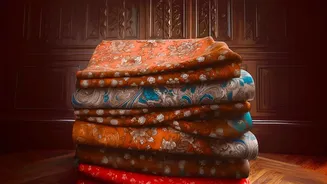
The beauty of this trend lies in its versatility, and you may already own the perfect piece. Consider repurposing beautiful Indian textiles like a vintage silk sari, a hand-embroidered Kantha quilt, or a block-printed dhurrie rug. These items not only add a rich layer of cultural heritage and craftsmanship but also serve as incredible conversation starters. When selecting a textile, consider its weight, texture, and pattern. Lightweight cottons and silks are easy to hang and create a soft, airy feel, while heavier materials like wool, canvas, or quilted fabrics provide more structure and sound absorption. Whether you opt for a bold geometric pattern, a detailed tapestry, or a simple, textured solid, choose something that complements your existing decor and brings you joy.
Damage-Free Installation Hacks
Hanging your textile doesn't have to be a complicated affair. For a straightforward approach, a simple curtain rod or wooden dowel is an excellent choice. Just create a pocket by folding over the top edge of the fabric and sewing a seam, then slide the rod through and suspend it from removable adhesive hooks. Tension rods, which fit snugly inside a nook or between two walls, are another fantastic option that requires no drilling at all. For lighter fabrics like scarves or thin cotton prints, even a few well-placed small nails or removable clips can do the trick. For heavier pieces like rugs, using a strip of Velcro attached to both the wall and a fabric casing on the back of the textile ensures the weight is distributed evenly. Always check the weight limits on any adhesive products to ensure a secure hold.
Styling Your Wall Art
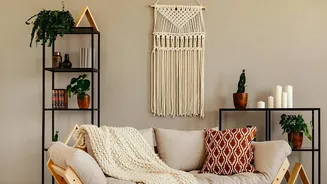
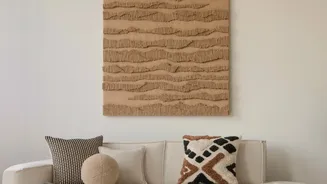
Once your textile is chosen and hung, it’s time to integrate it into your space. One of the most effective placements is behind a major piece of furniture, such as a sofa in the living room or a bed, where it can function as a creative and dramatic headboard. This not only anchors the furniture but also establishes a clear focal point. Let the colours and patterns in the fabric guide your choices for other decor elements like cushions, throws, and smaller accessories. By picking up on one or two key shades from the textile and repeating them around the room, you can create a cohesive and professionally styled look. The goal is to make the textile feel like an intentional and integral part of the room’s design, not just an addition to fill an empty wall.