

Understanding Gochujang
Before we start cooking, let’s get acquainted with our star ingredient. Gochujang is a staple of Korean cuisine, a thick, sticky paste made from red chili powder, glutinous rice, fermented soybeans, and salt. Its flavour is complex and deeply layered—it's
not just about heat. You'll taste a savoury umami depth from the fermented soybeans, a subtle sweetness from the rice, and a satisfying, robust heat from the chili. It’s much thicker and more complex than a pourable hot sauce like sriracha. When shopping for gochujang, you'll find it in tubs at most Asian grocery stores and increasingly in larger supermarkets. The spice level can vary by brand, so it’s wise to start with a small amount and adjust to your preference.
The Secret to Perfectly Crisp Tofu
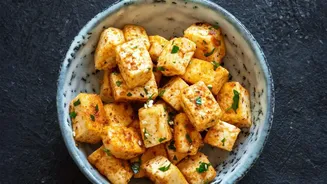
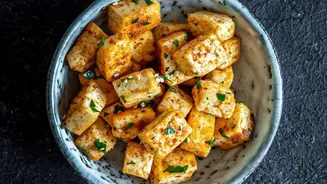
The second headline is not a mistake: the key to a truly great tofu bowl is texture, which means crisping the tofu separately is non-negotiable. Soggy tofu simply won't do. The goal is a golden-brown exterior that provides a delightful crunch, giving way to a soft, tender inside. This contrast is what makes each bite so satisfying. The process begins with selecting extra-firm tofu and, most importantly, pressing it. Pressing removes excess water, which is crucial for two reasons: it allows the tofu to crisp up properly instead of steaming, and it enables the tofu to better absorb the flavourful sauce later. You don’t need a special tofu press; you can simply wrap the block in a clean kitchen towel or paper towels, place it on a plate, and put something heavy on top—like a cast-iron skillet or a few books—for at least 30 minutes.
From Pressed to Crispy
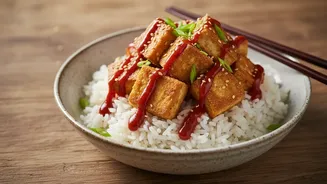
Once your tofu is pressed, cut it into cubes or tear it into bite-sized chunks. Now for the magic trick: cornstarch. Tossing the pressed tofu in a light coating of cornstarch before cooking is the secret to achieving that coveted crispy shell. It creates a dry surface that fries up beautifully. You can pan-fry, bake, or air-fry your tofu. For pan-frying, heat a neutral oil in a skillet over medium-high heat and cook the tofu, turning occasionally, until it's golden and crisp on all sides. Don’t overcrowd the pan; cook in batches if necessary to ensure every piece has room to brown. Once crispy, set the tofu aside while you prepare the glaze.
Crafting the Gochujang Glaze
The sauce is where the magic happens. A great gochujang glaze balances the paste's intense flavour with other ingredients. While gochujang is the star, it's rarely used alone. A typical sauce combines gochujang with soy sauce (or tamari) for salt and umami, rice vinegar for a bit of tang, and a sweetener like honey, maple syrup, or brown sugar to complement the heat. Minced garlic and fresh ginger are often added for aromatic depth, along with a dash of sesame oil for its nutty fragrance. To make the glaze, simply whisk all the ingredients together in a small bowl. Some recipes call for simmering the sauce for a few minutes to allow the flavours to meld and the sauce to thicken slightly.
Building Your Perfect Bowl
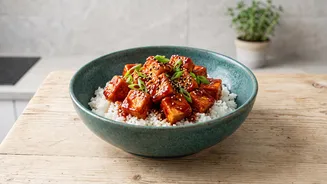
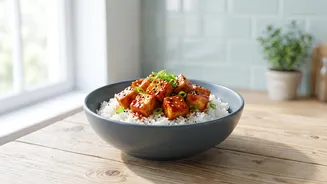
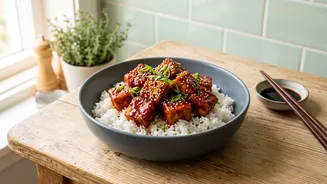
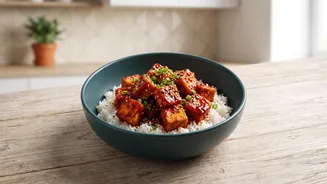
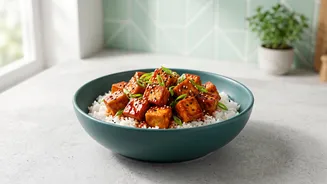
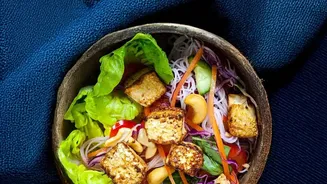
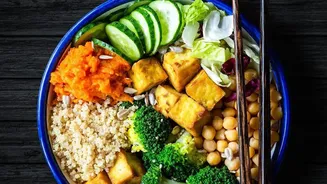
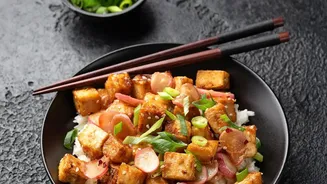
With your crispy tofu and flavourful glaze ready, it's time to assemble your bowl. Start with a base of fluffy rice—jasmine or sushi rice works well. Then, add your saucy tofu. This is where separating the components pays off; toss the crispy tofu with the glaze right at the end to ensure it stays crunchy. The rest of the bowl is a canvas for your creativity. A mix of fresh, crunchy vegetables provides a welcome contrast to the rich tofu. Think julienned carrots, sliced cucumber, radishes, or even a quick pickled slaw. Steamed or roasted vegetables like broccoli, cauliflower, or zucchini are also great additions. For toppings, consider a sprinkle of toasted sesame seeds, sliced green onions, fresh cilantro, or a side of kimchi for extra fermented goodness.