






The Disappearing Act on Our Plates
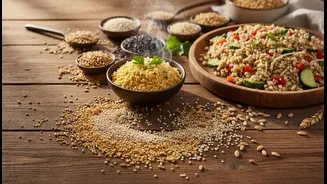
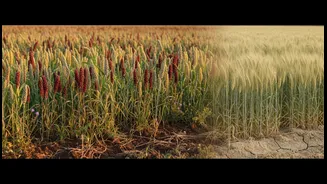
Think about the meals of your grandparents. Chances are they featured a wider variety of grains than we see today. Staples like finger millet (ragi), pearl millet (bajra), and sorghum (jowar), along with countless indigenous varieties of rice and pulses,
were once the bedrock of the Indian diet. These foods were not just sustenance; they were woven into the cultural and agricultural fabric of their regions. Today, they are increasingly being pushed off the plate by a dominant duo: polished white rice and refined wheat. This narrowing of our food basket represents a profound loss, one with consequences that extend far beyond the kitchen.
How Our Diets Became Dangerously Simple
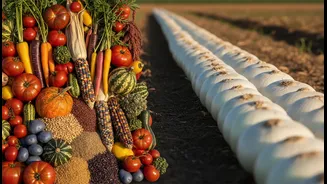
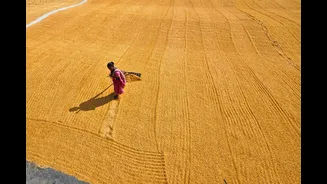
This dietary shift wasn't accidental. It was driven in large part by the Green Revolution, which, while successful in increasing food production, heavily promoted high-yielding varieties of wheat and rice. Government policies, including procurement systems and subsidies, created strong economic incentives for farmers to cultivate these specific crops over vast areas. This resulted in monocultures—large fields growing a single crop—which are efficient but ecologically fragile. Over time, the market for traditional grains shrank, and the complex knowledge of how to cultivate and cook them began to fade. The result is a simplified, less resilient food system dominated by a few cereal crops.
The Health Toll of a Simplified Menu
The replacement of diverse, nutrient-dense traditional grains with refined rice and wheat has had a direct impact on public health. Millets, for example, are nutritional powerhouses. They are significantly higher in dietary fibre, protein, and essential minerals like iron and calcium compared to polished rice and refined wheat. Many traditional grains also have a lower glycemic index, meaning they release sugar into the bloodstream more slowly, which is crucial for preventing and managing diabetes. The over-reliance on refined carbohydrates, which are low in fibre and micronutrients, is a major contributing factor to the rising rates of obesity, type 2 diabetes, and cardiovascular diseases across India.
When Farms Lose Their Variety
The impact of losing traditional staples is just as severe for the environment. Monoculture farming depletes soil nutrients, increases dependence on chemical fertilizers and pesticides, and requires vast amounts of water. This practice destroys agricultural biodiversity in two ways. First, we lose the immense genetic diversity of the crops themselves, with thousands of indigenous and climate-resilient seed varieties vanishing. This makes our food supply more vulnerable to pests and climate change. Second, diverse farms support a rich ecosystem of insects, birds, and soil microorganisms that are essential for pollination and natural pest control. Monocultures create sterile landscapes, contributing to a broader loss of biodiversity that weakens the entire food system.
A Path Back to Richness
The good news is that there is a growing movement to bring these forgotten foods back. From government initiatives like the 'International Year of Millets' to grassroots efforts by farmers and NGOs, there is a push to revive the cultivation and consumption of traditional grains. These efforts focus on preserving indigenous seeds, supporting small-scale farmers, and creating new markets for their produce. For consumers, the choice is powerful. By actively seeking out and incorporating millets and other traditional grains into our diets, we can create demand that supports farmers, improves our own health, and helps restore the biodiversity of our agricultural lands.