

Let the Plant Be the Star
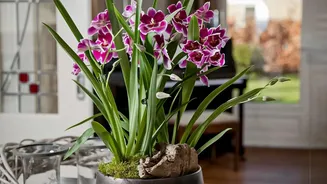
The primary rule of selecting a pot is that it should complement, not compete with, the plant. A visually loud or oversized pot can easily overpower the natural beauty of the foliage or flowers it contains. For plants with vibrant, multi-coloured leaves
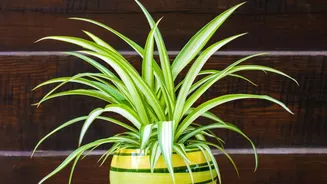
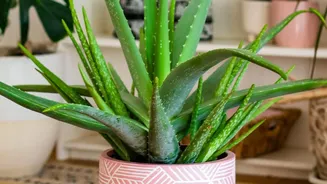
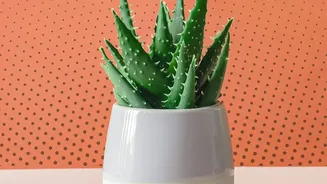
or bold, beautiful blooms, a pot in a neutral tone like white, black, grey, or beige is often the best choice. These simple colours allow the plant’s own features to take centre stage. Conversely, if you have a plant with a simple, uniform green appearance, like a snake plant or a classic money plant, a more decorative or colourful pot can add a splash of personality without being distracting. The goal is to create a harmonious partnership where the pot enhances the plant, making the combination more impactful than either element alone.
A Quick Lesson in Colour
You don’t need to be a design expert to use colour theory effectively. For a bold, high-contrast look, choose a pot colour that is complementary—or opposite—to your plant's main colour on the colour wheel. For example, a deep purple pot can make the yellow-green foliage of a Lemon Lime Philodendron pop. For a more subtle and calming effect, an analogous colour scheme works beautifully. This involves choosing colours that are next to each other on the colour wheel, like a green plant in a blue-green pot. A monochromatic scheme, using different shades of the same colour, creates a sophisticated and unified appearance. Imagine a dark green plant in a light, sage-coloured pot. Even the pot's finish, whether matte or glossy, can change the perception of colour and add another layer of texture to your display.
Shape, Size, and Texture Matter
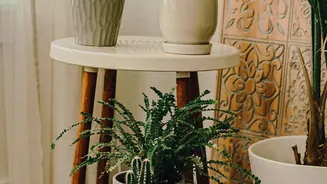
Beyond colour, the planter's form plays a crucial role. The shape should echo or balance the plant’s natural growth habit. Tall, columnar plants like snake plants or some cacti look fantastic in equally tall, slender pots that accentuate their verticality. In contrast, plants with a bushy, rounded shape, like a fern, might look better in a wider, bowl-shaped container. Texture adds another dimension. A smooth, glazed ceramic pot can offer a sleek, modern feel, while an unglazed, matte pot might provide a more rustic, earthy look. The weight and stability of ceramic pots also make them ideal for larger or top-heavy plants that might tip over in lightweight plastic containers.
The Power of Grouping
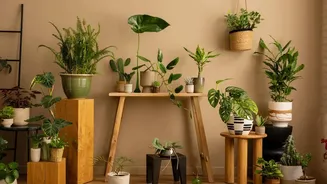
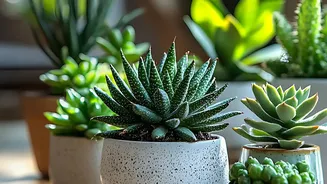
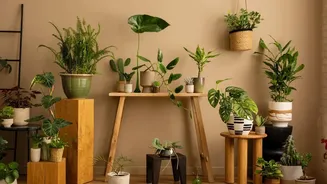
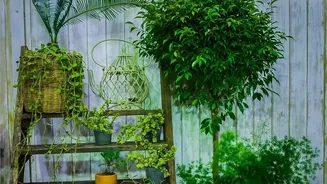
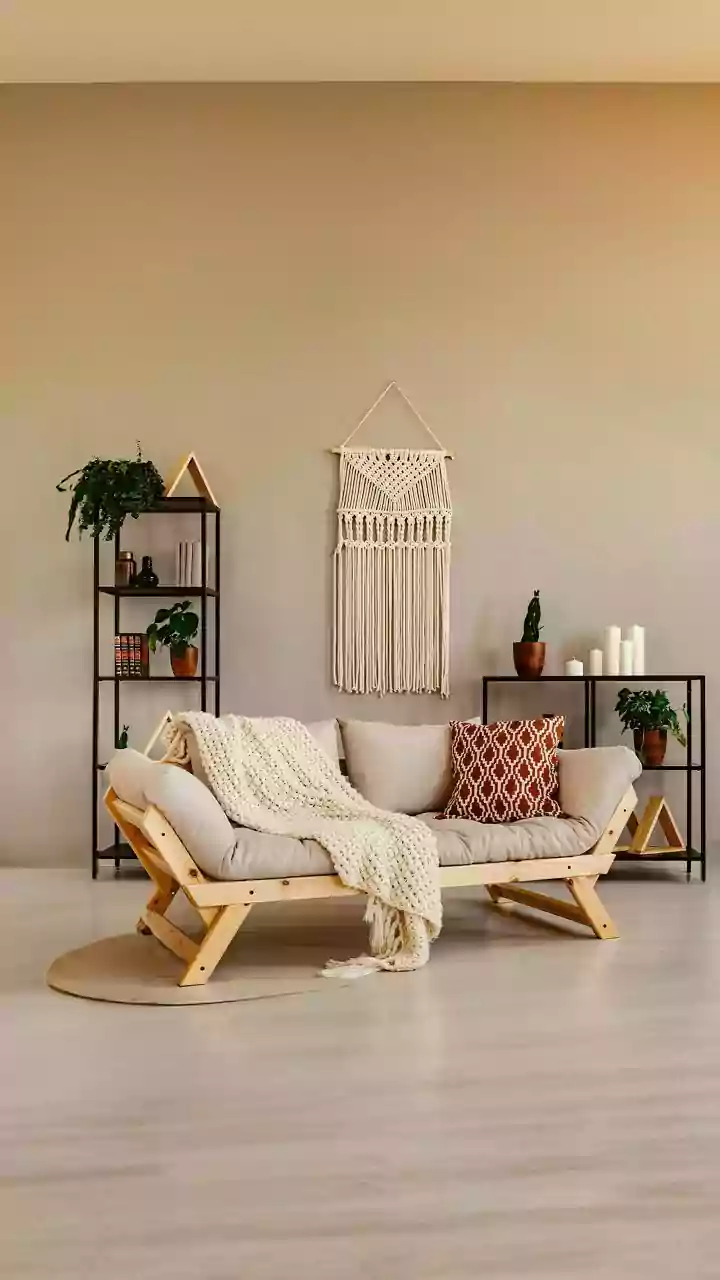
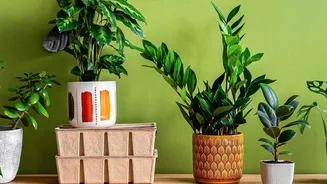
A single, isolated plant can look lonely. Grouping several plants together instantly creates a more lush, intentional, and high-impact display. An empty corner, a bare windowsill, or a wide console table can be transformed into a vibrant focal point with a well-arranged collection of plants. This technique allows you to play with different heights, textures, and forms, creating a miniature indoor garden. The key is to think of the collection as a single arrangement rather than a set of individual items. This approach not only looks better but can also be practical; grouping plants with similar light and water needs simplifies their care.
Creating a Cohesive Collection
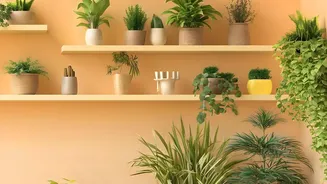
To create a display that feels curated rather than cluttered, stick to a few simple design rules. One of the most effective is the “rule of three,” which suggests that arranging items in odd numbers is more visually appealing to the human eye. A group of three or five pots often looks more dynamic than a pair or a straight line of four. When grouping, create harmony by unifying one element. You could, for instance, use pots of various shapes and sizes but keep them all within the same colour family. Alternatively, use pots of different colours but ensure they are all made of the same material, such as glazed ceramic. Varying the height within the group is crucial for creating visual interest and flow.
The Case for Ceramic
Ceramic pots, mentioned in the headline, are a fantastic choice for creating these displays. They come in an endless variety of colours, glazes, and shapes, offering superior aesthetic options compared to plastic. Functionally, they are heavy and durable, providing stability for plants. The thick walls of ceramic pots also offer insulation, protecting roots from sudden temperature fluctuations. Glazed ceramic pots are excellent at retaining moisture, which is beneficial for plants that prefer consistently damp soil. Unglazed ceramic, while less porous than terracotta, still allows for some airflow to the roots, striking a good balance for many common houseplants.