




Why the Gravy Is Everything
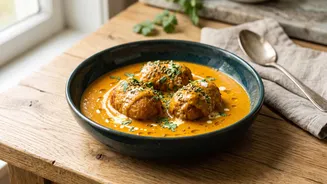
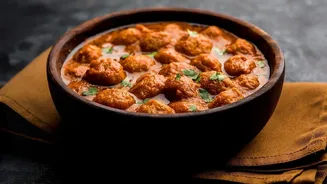
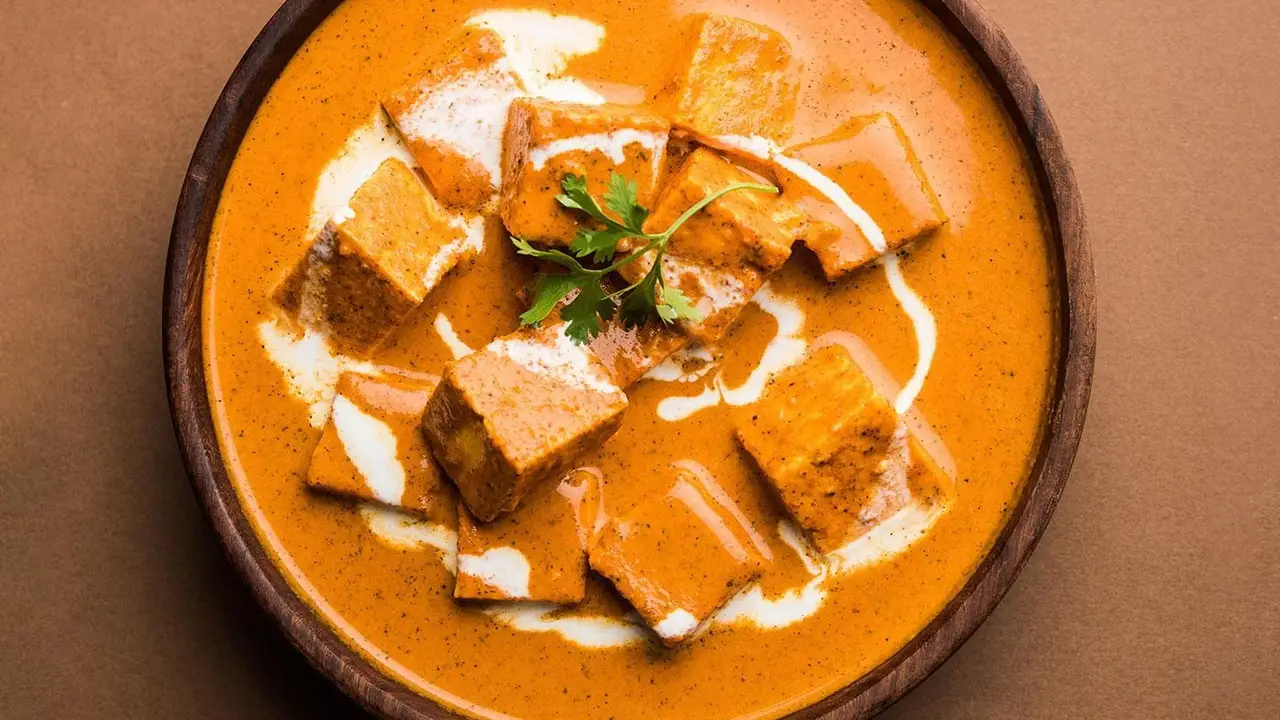
Malai Kofta is a dish of two parts: the soft, melt-in-your-mouth koftas (fried dumplings of paneer and potato) and the luxurious gravy they swim in. While the koftas are the star, the gravy is the universe they exist in. It’s what provides the flavour,
the richness, and that signature silky texture. A bland, grainy, or poorly balanced gravy will disappoint, no matter how perfect the koftas are. Restaurants have perfected this foundation, creating a curry that is simultaneously rich, mildly sweet, and complex. This is where the magic truly lies.
The Foundation: Onion, Tomato, and Cashews
The base of most restaurant-style malai kofta gravies is a simple yet powerful trio of ingredients: onions, tomatoes, and cashews. Onions provide the savoury, aromatic depth. Tomatoes offer a bright, tangy counterpoint. But the undisputed hero for creaminess is the cashew. When soaked and blended, cashews create a luscious, dairy-free creaminess that is far superior to simply adding flour or cornstarch, which can make the gravy heavy and pasty. Many recipes also call for melon seeds (magaz) or poppy seeds (khus khus) alongside cashews to enhance this texture further.
The Secret to a Silky, Smooth Texture
The number one giveaway of a homemade gravy is often its texture. Restaurant kitchens achieve that velvety smoothness through a two-step process: proper cooking and straining. First, the onions, tomatoes, ginger, garlic, and cashews are sautéed and then simmered in water until completely soft and mushy. This mixture is then cooled and blended into the finest purée possible. Here’s the crucial step many home cooks skip: straining the purée through a fine-mesh sieve. This removes any stray bits of skin, seeds, or coarse fibres from the whole spices, guaranteeing a flawless, liquid-silk consistency.
Building Layers of Flavour
With the smooth base ready, the next step is building flavour. This starts with cooking the purée in butter or ghee. The mixture is patiently sautéed until it deepens in colour and you see oil separating from the sides of the pan—a process known as 'bhunao'. This indicates that the raw taste of the ingredients is gone, replaced by a deep, roasted flavour. Spices like Kashmiri red chilli powder (for colour without excessive heat), coriander powder, and a touch of turmeric are added at this stage. A hint of sugar or honey is often used to balance the tanginess of the tomatoes, a subtle trick that rounds out the entire flavour profile.
The Finishing Touches
The final stage is what brings the 'malai' (cream) to the forefront. Once the gravy base is perfectly cooked, fresh cream is stirred in on low heat. It’s important not to boil the gravy vigorously after adding the cream, as it can split. The last flourish comes from two key ingredients: garam masala for a final burst of warm aroma, and a generous pinch of crushed kasuri methi (dried fenugreek leaves). Rubbing the kasuri methi between your palms before adding it releases its essential oils, imparting a distinct, unforgettable fragrance that is synonymous with restaurant-quality curries. Finally, a cardinal rule: never leave koftas sitting in hot gravy for long before serving. Add the fried koftas to the serving bowl and pour the hot gravy over them just before it goes to the table to ensure they remain intact and don't become soggy.