

Beyond the Traditional Uniform
For decades, Indian festive and wedding attire followed a familiar script: the saree, the lehenga, the salwar kameez. While these iconic garments remain central to Indian fashion, the 2026 season is defined by a desire for evolution, not just preservation.
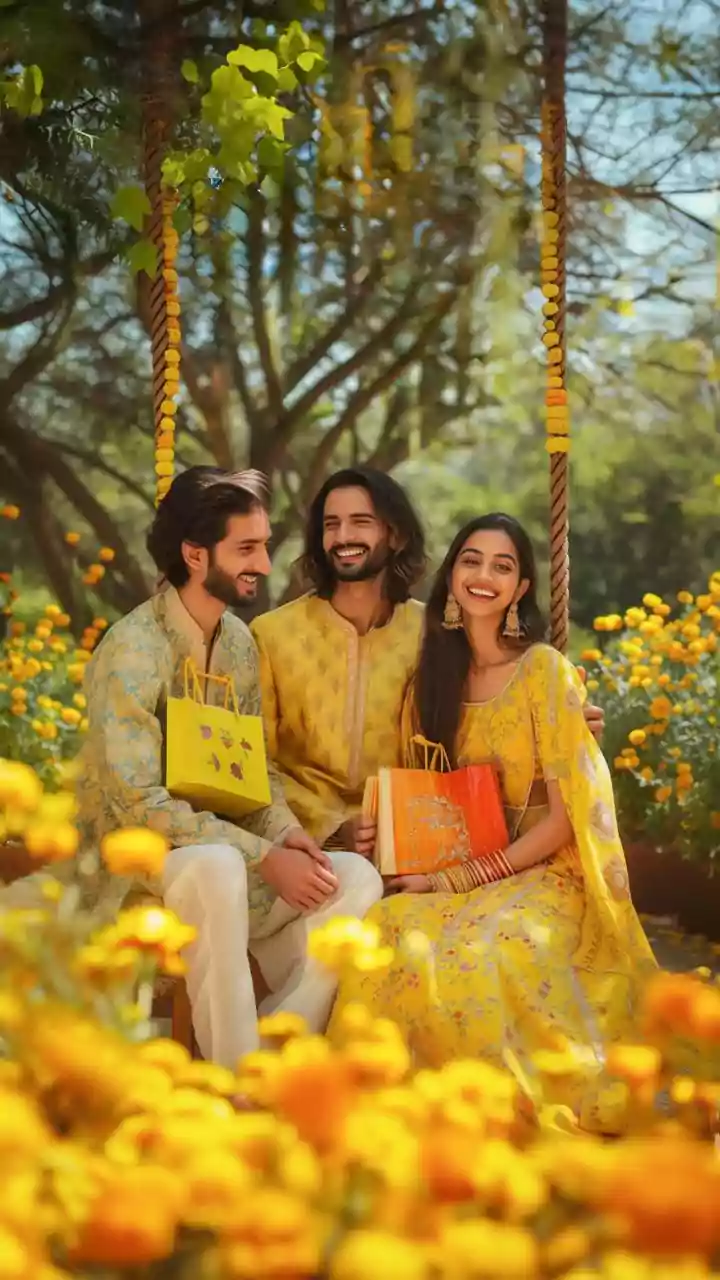
Recent showcases at India Couture Week and Lakmé Fashion Week highlighted a major shift toward styles that blend cultural heritage with a global, contemporary ease. The new festive wardrobe is less of a uniform and more of a personal statement, reflecting a generation that moves fluidly between worlds and wants its clothing to do the same. It's about celebrating roots without being confined by them, prioritizing comfort and versatility alongside timeless beauty.
The New Blueprint: Capes, Jumpsuits, and Tailoring
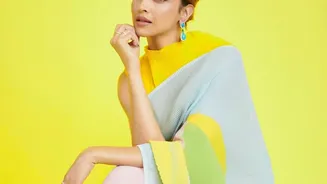
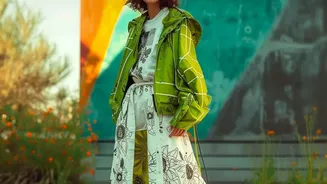
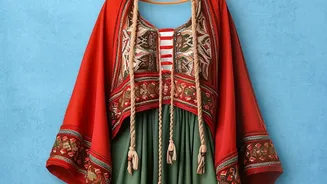
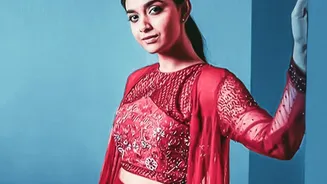
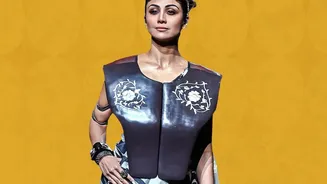
The most visible change is in the silhouettes themselves. Instead of relying solely on traditional drapes, designers are embracing structured, architectural forms. The cape is arguably the defining silhouette of the year, appearing in collections from designers like Arpita Mehta and Masaba Gupta. Whether sheer and layered over a sharara set or tailored and dramatic, capes are replacing the dupatta for a modern, hands-free sense of glamour. Similarly, tailored co-ord sets, jumpsuits with Indian embellishments, pre-draped saree gowns, and sharp blazers are becoming festive staples. These pieces offer the polish of Western tailoring but are crafted from Indian textiles or adorned with traditional motifs, creating a look that feels both powerful and culturally resonant.
Heritage Woven into Every Detail
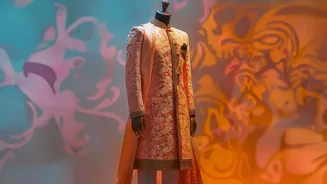
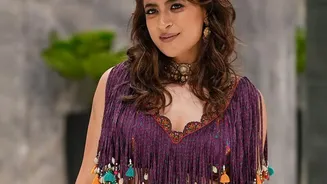
This modernism isn't about erasing tradition; it's about providing a new canvas for it. The soul of these garments lies in the details. India's rich library of craftsmanship is being applied with fresh intention. Instead of covering an entire garment, designers are using embroidery more strategically—a beautifully detailed sleeve, an intricately beaded neckline, or a panel of exquisite Zardozi on a tailored jacket. Techniques like Bandhani, mirror work, and Chikankari are appearing on corset tops, fluid gowns, and even bomber jackets. This approach makes the craftsmanship feel precious and modern, transforming a simple silhouette into a piece of wearable art. It’s a sophisticated conversation between heritage and innovation.
Why Now? A Generational and Global Shift
This trend isn't happening in a vacuum. It’s driven by a globalized generation that wants to express its multifaceted identity. For the Indian diaspora and for those in India connected to global trends, fashion is a way to tell a story of being modern and rooted at the same time. Comfort and practicality are also major drivers; modern life demands clothes that are easy to move and celebrate in. Designers are responding with lighter fabrics like organza and tissue, and modular pieces like embroidered blouses or jackets that can be styled in multiple ways long after the event is over. It’s a move away from single-use outfits toward a more sustainable and personal wardrobe.
How to Wear the Trend
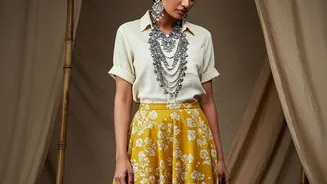
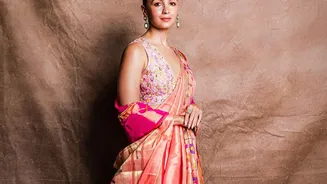
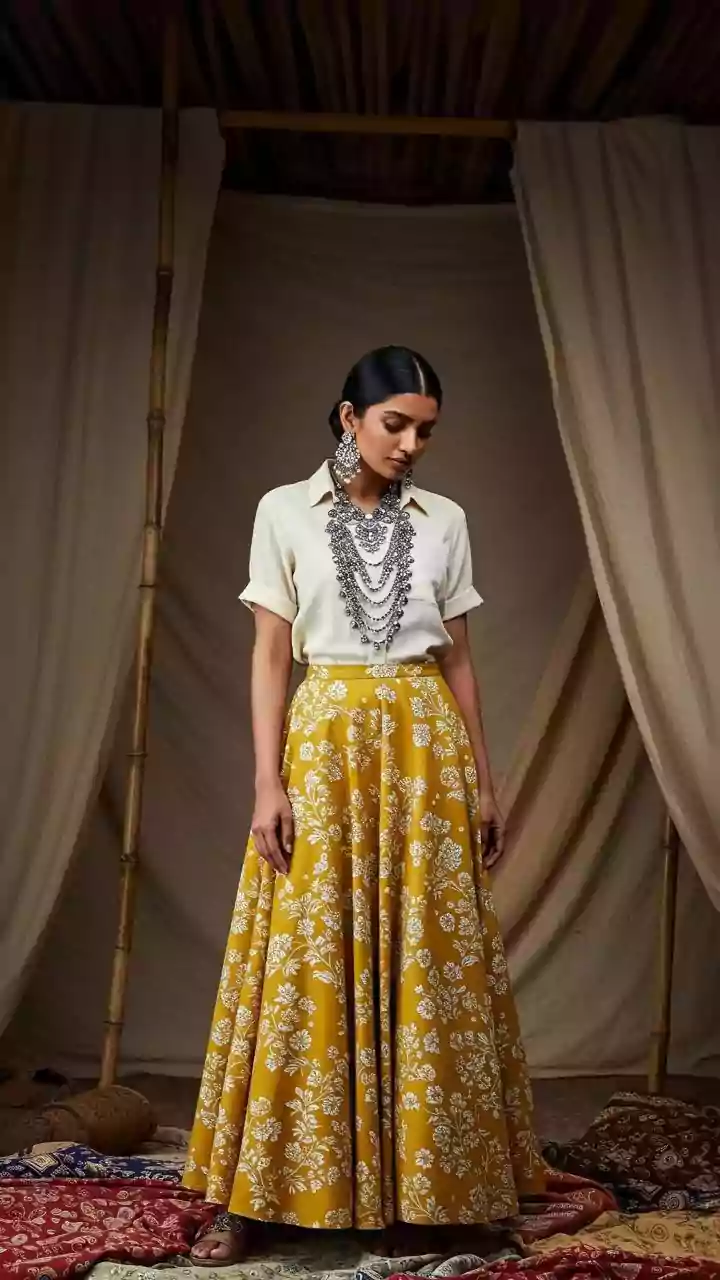
Adopting this look is about balance. You can start small by pairing a traditional embroidered blouse with high-waisted trousers or even classic denim. Consider a pre-draped saree or a jumpsuit with festive embellishments for a wedding guest look that is both chic and comfortable. Another key is layering: throwing a sheer, embellished jacket over a simple slip dress or pairing a tailored blazer with a fluid saree can instantly modernize the entire outfit. The goal isn't to create a costume, but to mix elements in a way that feels authentic to you. Think of it as using traditional pieces as accents to a modern wardrobe, creating a look that is uniquely yours.