


The Annual Monsoon Food Puzzle
Every year, as the rains arrive, so does a wave of health warnings passed through family chats and social media. The core of this anxiety is valid: the high humidity and potential for water contamination create an ideal environment for bacteria, fungi,
and other pathogens to thrive. This increases the risk of foodborne illnesses, from minor stomach upsets to more serious infections. Fruits and vegetables, especially, come under scrutiny. Concerns about them carrying germs, being harder to digest, or having the 'wrong' thermal properties become widespread, leaving many people confused about what is truly safe to eat.
Papaya: Cure-All or Risky Business?
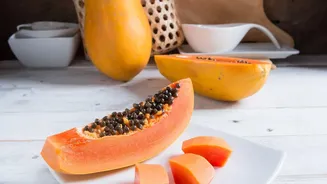
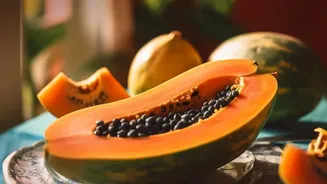
Papaya is a frequent subject of these monsoon debates. One common belief, rooted in traditional wellness systems, is that papaya is 'heating' (Ushna) and should be avoided. Others warn that it can upset digestion or that overripe fruit spoils easily in the damp weather, leading to stomach issues. On the flip side, papaya is also hailed as a miracle food, most famously as a home remedy for dengue fever, a disease that sees a spike during the monsoon. This mix of fear and hype makes it difficult to know whether you should be adding more papaya to your plate or avoiding it entirely.
Unpeeling the Evidence on Papaya
From a scientific perspective, papaya is an excellent fruit to consume during the monsoon. It is rich in Vitamins C and A, which are crucial for a strong immune system. The claim about it being bad for digestion is also a myth; in fact, papaya contains a powerful enzyme called papain, which actively aids digestion and can help with the bloating and sluggishness often associated with the season. The 'heating' property, an Ayurvedic concept, is also context-dependent; some traditional advice actually recommends it in late monsoon to counter a slow digestive fire. The most significant claim relates to dengue. Research has shown that papaya leaf extract, not the fruit itself, may help increase platelet counts in dengue patients. However, scientists note that many studies had flaws and more high-quality evidence is needed. It is absolutely not a substitute for proper medical treatment and should never be used to replace a doctor's care.
An Evidence-Led Monsoon Fruit Guide
The confusion isn't limited to papaya. Myths about avoiding all fruits are common, but experts agree that seasonal fruits are packed with immunity-boosting nutrients. The key isn't avoidance, but intelligent selection and preparation. The biggest risk comes from contamination, not the fruit itself. Therefore, the most important advice is to be vigilant about hygiene. Wash all fruits thoroughly under clean, running water before cutting or eating them. Avoid pre-cut fruits sold by street vendors, as the risk of contamination is very high. Instead, buy whole fruits and cut them yourself just before consumption. Focus on fruits that are truly in season, such as jamun, pears, plums, and pomegranates, as they are generally fresher and more nutritious.
Your Smart Monsoon Fruit Strategy
To enjoy fruits safely this monsoon, follow a few simple rules. Firstly, prioritize hygiene above all else. Wash your hands before handling food and wash the produce well. Secondly, store fruits properly. In the humid weather, fruits spoil faster, so keep them in a clean, dry place or in the refrigerator to prevent mould growth. Thirdly, listen to your body. While papaya is generally good for digestion, if any food makes you feel unwell, it is best to avoid it. Finally, be critical of advice that relies on fear rather than facts. Enjoying a bowl of fresh, clean, seasonal fruit is one of the best ways to support your health during the rainy season.