




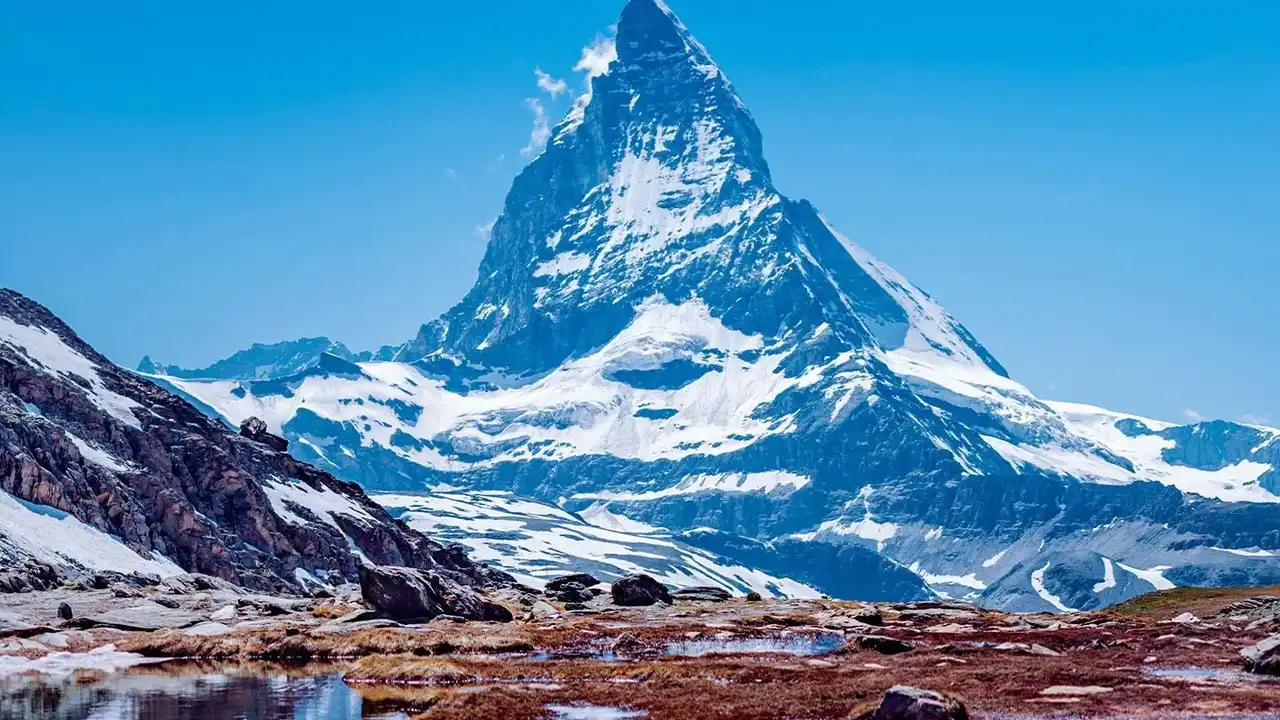
The Latest Measurement
According to the most recent survey announced on October 14, 2026, Mont Blanc now stands at 4,807.47 metres. This measurement marks an increase of nearly 1.9 metres from the 2023 reading, which was one of the lowest in recent memory. Since 2001, a dedicated
team of French surveyors has made the trek every two to three years to precisely measure the summit. Armed with high-precision satellite technology and drones, they spend hours at the freezing peak, gathering data not just for the record books, but to build a unique picture of a dynamic environment.
A Tale of Two Summits
The secret to the mountain’s changing height lies in a crucial distinction: the rocky peak versus the icy one. The rock summit of Mont Blanc is stable, standing at an altitude of about 4,792 metres. What changes is the thick cap of perpetual snow and ice that sits on top of it. This layer can be anywhere from 15 to 20 metres thick, and its volume is in a constant battle with the elements. So, when we talk about the mountain's height changing, it's this white blanket—not the mountain itself—that is growing or shrinking.
How Weather Sculpts a Peak
Two main forces are responsible for reshaping the summit: accumulation and ablation (the loss of snow and ice). Throughout the year, precipitation adds fresh layers of snow. The prevailing winds, which are often powerful at such high altitudes, then act like a giant sculptor. They can blow vast quantities of snow into enormous drifts, known as cornices, which can significantly raise the altitude of one part of the summit while lowering another. In fact, the location of the highest point can shift by several metres from one measurement to the next, pushed around by the wind.
The Impact of Sun and Season
The opposing force is summer sunshine and warmer temperatures, which cause the snowpack to melt and compact. A particularly hot summer can lead to a noticeable drop in the summit's height, as was observed in the years leading up to the low measurement of 2023. The amount of snowfall during the preceding winter is also a critical factor. A winter with heavy snowfall can add significant volume to the ice cap, providing more material to withstand the summer melt. This interplay between winter accumulation and summer melt is the primary driver behind the year-on-year fluctuations.
A Barometer for Climate Change?
Naturally, the question arises: is this a sign of climate change? Experts are cautious about drawing direct conclusions from short-term changes. They stress that a year-to-year fluctuation is more reflective of specific weather patterns than a long-term climate trend. However, scientists are closely monitoring the data over decades. The long-term trend since a peak measurement of 4,810.90 metres in 2007 has generally been a decrease. While the extreme altitude of the summit may offer some protection from the warming seen elsewhere in the Alps, the continuous measurement provides an invaluable dataset for future generations to understand the health of this iconic ice world.