



The Ticking Time Bombs Above
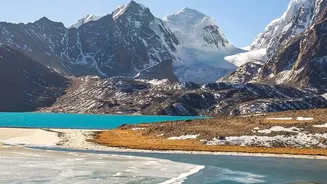
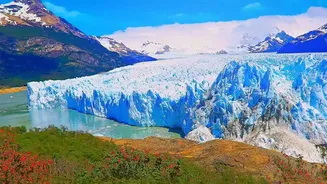
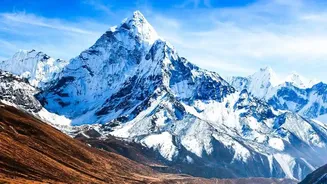
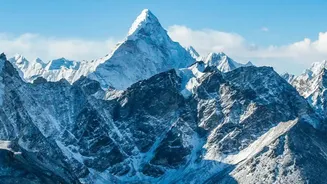
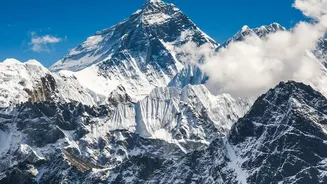
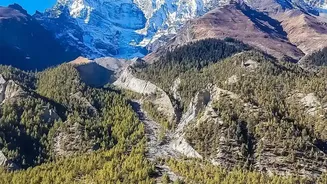
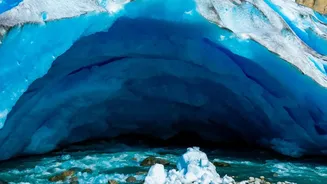
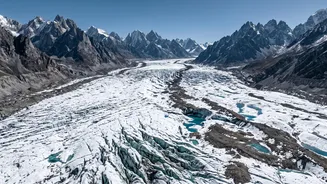
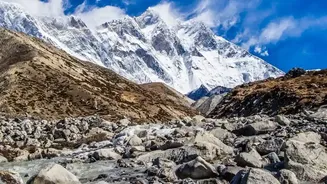
The Himalayas, often called the 'Third Pole', contain the largest concentration of ice outside the polar regions. But rising global temperatures are causing these glaciers to melt at an unprecedented rate. As they retreat, they leave behind massive depressions
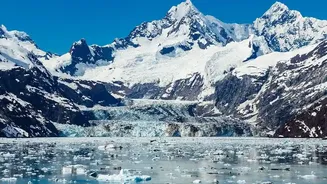
that fill with meltwater, forming what are known as glacial lakes. Many of these lakes are held back only by fragile natural dams made of loose rock and debris, known as moraines. When these dams fail, they can release a sudden, catastrophic burst of water called a Glacial Lake Outburst Flood (GLOF). These events are not slow leaks; they are violent, unpredictable torrents of water, mud, and boulders that cascade down narrow mountain valleys, destroying everything in their path.
Why Nepal Is a Hazard Hotspot
Nepal's geography makes it exceptionally vulnerable to these climate-driven disasters. Its steep, fragile terrain is naturally prone to seismic activity and landslides. Recent events have underscored this vulnerability, such as the devastating flood on August 26, 2026, which began with a massive ice and rock avalanche in the Langtang region, killing over a thousand people and leaving thousands more missing. Such events, known as cascading disasters, happen with little to no warning, overwhelming downstream communities in minutes. The disaster destroyed homes, bridges, and critical infrastructure, including major hydropower projects, highlighting the immense risk to both lives and economic development.
A Deadly Combination of Water and Earth
The threat isn't limited to GLOFs. The same forces destabilizing glaciers are also increasing the frequency and severity of landslides. As permafrost—the permanently frozen ground that glues mountain slopes together—begins to thaw, the land becomes unstable. Combined with increasingly erratic and intense monsoon rainfall, the soil becomes saturated, raising the risk of catastrophic slope failures. This lethal combination means that a single event, like a rockfall or heavy downpour, can trigger a chain reaction, leading to widespread devastation. Scientists have pointed out that while not every landslide can be directly linked to climate change, the overall trend of warming is creating conditions that make these hazards more likely.
A Shared Crisis for the Entire Region
While Nepal is currently in the spotlight, this is not just a Nepalese problem. The Hindu Kush Himalayan region spans multiple countries, including India, Pakistan, Bhutan, and China, all of which share the same risks. The rivers fed by these glaciers are a lifeline for nearly two billion people downstream. What happens in the upper reaches of the Himalayas in Nepal directly impacts communities in Indian states like Bihar and Uttar Pradesh. Furthermore, Indian Himalayan states such as Uttarakhand, Himachal Pradesh, and Sikkim face identical threats from their own rapidly melting glaciers and unstable slopes. For instance, Indian authorities are already monitoring hundreds of potentially dangerous glacial lakes within its borders. The recent disaster in Nepal serves as a stark warning of what could happen elsewhere if proactive measures are not taken.
The Urgent Need for Cooperation
Addressing this growing crisis requires a shift from reactive disaster response to proactive risk reduction. This includes investing in better monitoring technology for glaciers and lakes, developing cross-border early warning systems, and strictly regulating construction in vulnerable river corridors. Because rivers and disaster risks cross international borders, regional cooperation is essential. Countries must share data and coordinate on disaster preparedness to protect the millions of people living in the shadow of these melting giants. The scientific consensus is clear: even with ambitious climate action, a significant portion of Himalayan glaciers is projected to be lost by 2100, locking in future risks that demand immediate attention.