


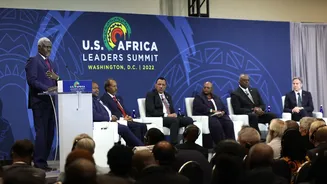
The marathon COP31 climate talks in Antalya have ended in disappointment, with nearly 200 nations failing to reach a final agreement. The primary reason for the collapse was a familiar but increasingly urgent obstacle: money.
What is Climate Finance?
Climate finance refers to
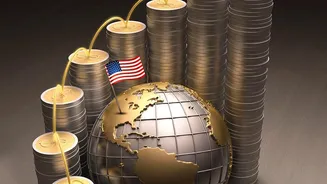
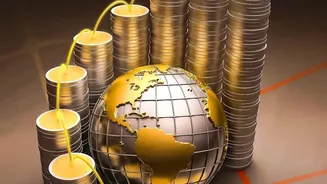
the money that richer, developed nations provide to developing countries to help them cut their emissions and adapt to the impacts of climate change. The principle, enshrined in the UN climate framework, is that countries historically responsible for the most greenhouse gas emissions should help pay for the transition to a greener global economy and assist those who contributed least to the problem but suffer its worst consequences. This isn't just about building sea walls or solar farms; it's about justice, equity, and enabling a global response. For years, the target was for developed countries to provide $100 billion annually by 2020. However, this goal was not met on time, creating a deep sense of mistrust that poisoned subsequent negotiations.
The Trillion-Dollar Sticking Point
The Antalya talks were meant to finalize a new, more ambitious finance target to succeed the $100 billion pledge, known as the New Collective Quantified Goal (NCQG). This is where the negotiations hit a wall. Developing countries, including major blocs like the G77 and nations like India, argued that the real need is not in the billions, but in the trillions. India, for instance, has pushed for a target of at least $1 trillion per year in public finance. This figure reflects the immense cost of shifting entire economies to clean energy while also protecting populations from worsening floods, droughts, and heatwaves. Developed nations, however, were unwilling to commit to such a figure, leading to an insurmountable gap between expectations and offers.
A Deep Divide Over Who Should Pay
A fundamental disagreement at COP31 was over who should contribute to this new, larger pot of money. Historically, the obligation has rested solely with a list of developed countries defined in 1992. The United States and the European Union argued that this list is outdated and that large, high-emitting economies now classified as 'developing', such as China and wealthy oil-producing states, should also become contributors. Developing nations, however, pushed back forcefully. India and its allies argued that the principle of 'Common But Differentiated Responsibilities' (CBDR) remains central. This principle holds that historical polluters have a unique responsibility to lead. They insisted that expanding the contributor base would dilute the obligations of the wealthiest nations.
The Quality of Money: Grants vs. Loans
The debate wasn't just about the total amount, but also the type of funding. Developing countries have increasingly voiced frustration that much of what has been counted as 'climate finance' comes in the form of loans, which can push already indebted nations deeper into financial distress. Groups representing vulnerable nations argued that finance, especially for adapting to climate impacts (adaptation) and covering unavoidable loss and damage, must come in the form of grants, not loans with interest. Developed countries have been reluctant to commit to purely grant-based funding, preferring a mix of public and private finance, including commercial loans. This clash over the 'quality' of the finance was as significant as the argument over its quantity.
What Happens Now?
The failure to agree on a cover decision at Antalya is the first such breakdown in over a decade and a significant blow to the multilateral climate process. While some progress was made on technical issues like a 'Just Transition' work programme, the absence of a headline pact on finance and mitigation leaves the world without a clear, unified path forward. Activists and officials from climate-vulnerable nations expressed deep disappointment, warning that the failure to unlock adequate finance puts the core goals of the Paris Agreement—to limit global warming to 1.5°C—at serious risk. The fight will now move to future meetings, but the trust deficit has widened, and the financial chasm remains as large as ever.