


Beetroot's Edge: Athletic Performance and Heart Health
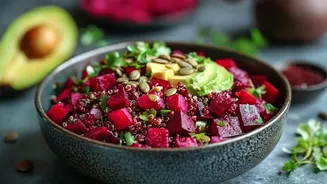
The secret to beetroot's power lies in its high concentration of dietary nitrates. When you consume beetroot, your body converts these nitrates into nitric oxide. This molecule is a vasodilator, meaning it helps to relax and widen your blood vessels.
This process can lead to several significant health benefits. For one, improved blood flow can help lower blood pressure, making beetroot a heart-healthy choice. Studies have shown that consuming beetroot juice can result in a noticeable drop in blood pressure, sometimes within hours. For athletes, this enhanced blood flow is a game-changer. By delivering more oxygen to the muscles, nitric oxide can improve stamina, reduce fatigue, and boost overall exercise performance. Research has demonstrated that beetroot supplementation can improve time-to-exhaustion during endurance workouts and increase oxygen efficiency.
Radish's Role: Immunity and Skin Repair
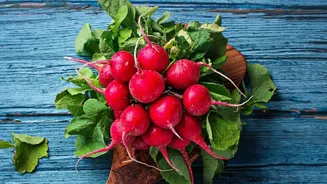
On the other side of the nutritional spectrum is the crisp, peppery radish, whose main claim to fame is its impressive Vitamin C content. While beetroot contains some Vitamin C, radish offers significantly more. This essential nutrient is a cornerstone of a healthy immune system, stimulating the production of white blood cells that defend the body against infections. Regular consumption of radishes can help bolster your body's defenses against common illnesses. Beyond immunity, Vitamin C is crucial for skin health. It plays a vital role in the production of collagen, the protein that keeps skin firm, elastic, and youthful. The antioxidant properties of Vitamin C also help protect the skin from damage caused by UV rays and pollution, potentially reducing signs of aging. Furthermore, the high water content in radishes helps keep skin hydrated and glowing.
A Head-to-Head Nutritional Glance
When you look beyond their headline nutrients, the differences become even more apparent. Beetroot is significantly higher in carbohydrates, dietary fiber, and overall calories compared to radish. It's also richer in minerals like iron, potassium, and magnesium, and boasts higher levels of folate (a B vitamin crucial for cell growth) and Vitamin A. Radishes, while lower in most minerals, contain more calcium. They are exceptionally low in calories and sugar, making them a great option for weight management. So, if your goal is fueling a workout or boosting your mineral intake, beetroot has the upper hand. If you're looking for a low-calorie, hydrating crunch with an immunity boost, the radish is your go-to vegetable.
Making Them Work for You
How you prepare these vegetables can impact the nutrients you receive. To maximize the nitrate benefits of beetroot, juicing is a popular and effective method. Roasting is another excellent option that enhances its natural sweetness while preserving most of its nutrients. Be sure not to overcook it, as high temperatures for long durations can degrade some of its valuable compounds. For radishes, the best way to preserve their Vitamin C, which is sensitive to heat, is to eat them raw. Sliced thinly into salads, added to sandwiches for a peppery crunch, or served as a simple snack, raw radishes deliver their full immune-boosting potential. Even their leafy green tops are edible and packed with nutrients, sometimes even more so than the root itself.