




The Common Chutney Conundrum
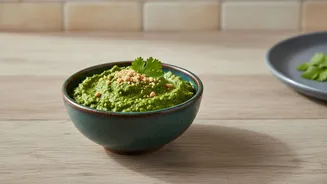
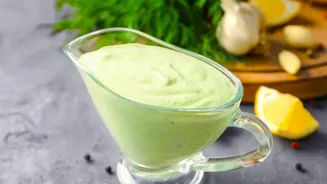
You buy the freshest bunch of coriander and mint, blend it with an assortment of spices, and for a glorious moment, you have a perfectly vibrant, zesty green chutney. But within hours, or sometimes even minutes, a culinary tragedy unfolds. The chutney darkens
and a distinct bitterness creeps in, overpowering the fresh, herby notes. This happens due to two main culprits: oxidation and over-blending. When the delicate leaves are blitzed, they get exposed to air, causing them to oxidise and lose their colour. Over-blending generates heat, which can cook the herbs slightly and release bitter-tasting oils, especially from mint leaves.
The Golden Ratio: Coriander vs. Mint
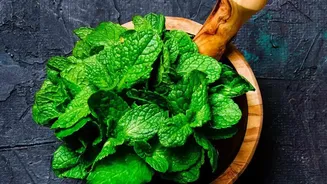
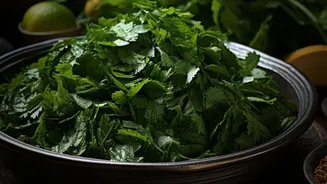
The single most important factor in preventing bitterness is mastering the herb ratio. Many people make the mistake of using equal parts coriander and mint, or even more mint. While pudina adds a wonderful freshness, it is also the primary source of bitterness if used too generously. The ideal, and widely recommended, proportion is a 2:1 ratio of coriander to mint. Some even prefer a 3:1 ratio. Coriander provides a robust, citrusy, and earthy base, while mint should be treated as a powerful accent flavour. Think of coriander as the foundation and mint as the seasoning. Using too much mint, or including its tougher stems, is a guaranteed path to a bitter result. Stick to the tender leaves of mint and let coriander do the heavy lifting.
Acidity and Sweetness are Your Allies
Beyond the herbs, other ingredients play a crucial role in both flavour and preservation. Acidity is key. A generous squeeze of lemon or lime juice is non-negotiable. The acid not only provides a necessary tang to balance the flavours but also significantly slows down the process of oxidation, helping the chutney retain its bright green hue for longer. A touch of sweetness from sugar or jaggery is another secret weapon. It doesn't make the chutney sweet, but instead, it rounds out the flavours and expertly counteracts any bitterness that may develop from the herbs or chillies.
Building Body and Texture
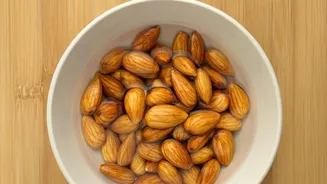
A watery chutney can be just as disappointing as a bitter one. To achieve a thicker, creamier consistency that clings beautifully to snacks, consider adding a binding agent. A tablespoon of roasted peanuts, fried gram dal (bhuna chana), or even a little desiccated coconut can work wonders. These ingredients absorb excess moisture, prevent the water from separating, and lend a subtle richness and body to the final product. Some even use a small piece of bread or a few cashews. These additions help create a smoother, more homogenous texture.
Smart Blending and Storage
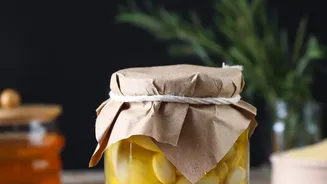
How you blend and store your chutney makes a huge difference. To combat the heat from the blender's motor, use a few ice cubes or ice-cold water while grinding. This simple trick helps keep the herbs cool, preserving their fresh flavour and vibrant colour. Blend in short bursts and avoid running the motor for too long. Once your chutney is ready, transfer it to an airtight glass jar immediately. To further prevent oxidation, you can pour a thin layer of oil over the surface before sealing. For longer-term storage, freezing the chutney in ice cube trays is an excellent option, giving you perfectly portioned servings ready to go whenever a craving strikes.