

The Contender: What Is Pilates?
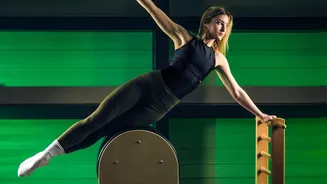
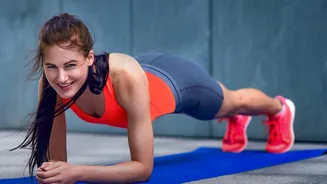
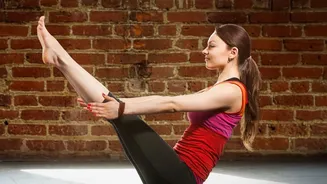
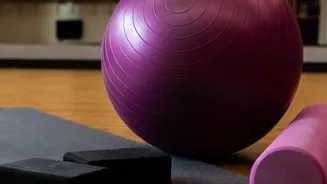
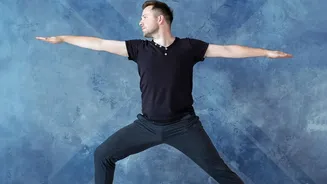
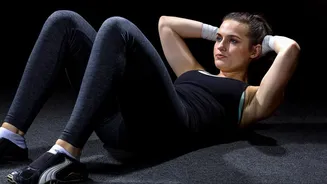
Pilates is a low-impact exercise method that focuses on controlled movements, breathwork, and building core strength. Developed by Joseph Pilates in the early 20th century, its main goal is to strengthen and stabilise the key muscles of your abdomen,
lower back, hips, and glutes—collectively known as the 'core'. Classes can be done on a mat or using specialised equipment, like the Reformer. The workout consists of a series of precise exercise sequences, typically performed in low repetitions. The emphasis is on quality of movement over quantity, creating long, lean muscles, improving posture, and enhancing body awareness.
The Challenger: What is Zumba?
Zumba is a high-energy fitness program that feels more like a party than a workout. Created in the 1990s, it fuses upbeat Latin and international music with easy-to-follow dance moves. Classes are typically an hour long and are based on the principle of interval training, alternating between high- and low-intensity dance sequences to get your heart rate up. You don't need to be a great dancer; the vibe is welcoming, fun, and encourages you to just keep moving to the music. The primary focus is on cardiovascular fitness and pure, stress-relieving enjoyment.
Round 1: The Quest for Strength
When it comes to building raw strength, Pilates has a clear edge. Its entire methodology is built around developing deep core strength and balanced muscular development across the body. The controlled, resistance-based movements are excellent for toning muscles in the abs, back, and glutes, which improves posture and can help reduce back pain. Zumba does offer some toning benefits by engaging your legs, glutes, and core through dance. However, it is not primarily a strength-training workout. If your main goal is to build significant muscle strength and stability, Pilates is the more direct route.
Round 2: The Race for Stamina
For cardiovascular endurance and stamina, Zumba takes the prize. It's a powerful aerobic workout designed to keep your heart rate elevated, improving heart health and circulation. Studies show that a single Zumba class can burn a significant number of calories—anywhere from 370 to over 500, depending on the intensity. This makes it a highly effective option for weight loss and boosting overall endurance. While some advanced Pilates sessions can get your heart rate up, it is generally a low-impact, non-aerobic form of exercise. Its focus is on muscle control rather than sustained cardio. So, if you want to get breathless and sweaty, Zumba is your winner.
Round 3: The Enjoyment Factor
Enjoyment is completely subjective and depends on your personality. Do you love a party atmosphere, loud music, and the energy of a group? Zumba is designed for you. It's a social, mood-boosting experience that relieves stress through dance. Many people say it's so much fun they forget they're even exercising. On the other hand, do you prefer a calmer, more focused environment where you can connect with your body? Pilates offers a mindful workout that requires intense concentration on breath and precise movements. The feeling of accomplishment comes from mastering control and feeling your body become stronger and more aligned. The 'fun' in Pilates is quieter and more internal.
The Final Verdict: Which Is Best for You?
There is no single winner in the battle between Pilates and Zumba—only the right choice for your specific goals. Choose Pilates if your primary goals are to build deep core strength, improve your posture and flexibility, and create long, lean muscle tone in a low-impact setting. It's also excellent for injury rehabilitation and developing a stronger mind-body connection. Choose Zumba if your main objectives are cardiovascular fitness, weight loss, and finding a workout that feels fun and socially engaging. If you want to burn a lot of calories, boost your mood, and love to dance, you'll feel right at home in a Zumba class. Ultimately, the best workout is the one you will do consistently. Many people find a combination of both offers the perfect balance of strength and cardio.