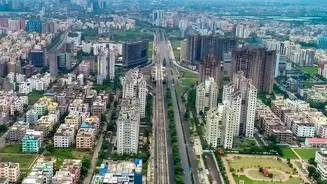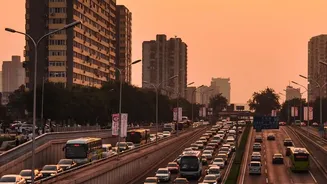










In the daily hustle of Indian cities, the commute is a defining struggle. But the rapid expansion of metro networks is changing more than just travel times; it's redrawing the map of desirable neighbourhoods and influencing how we choose our homes.
The Price of Proximity
The
golden rule of real estate—location, location, location—is now spelled M-E-T-R-O. Properties within walking distance of a metro station command a significant premium. Studies show that apartments within a 500-meter radius can be 10-25% more expensive than similar properties further away. This 'transit premium' applies to both rental and purchase prices, driven by strong demand from working professionals and families who prioritize connectivity. Landlords benefit from higher rental yields and lower vacancy rates, as tenants are often willing to pay more for the convenience of a shorter, more predictable commute. This price surge is not just a coincidence; it's a direct reflection of the value urban Indians place on saving time and avoiding traffic stress.
More Than Just a Commute
The appeal of living near a metro station goes far beyond a hassle-free journey to the office. These transit hubs often blossom into vibrant micro-markets, a concept known as Transit-Oriented Development (TOD). As footfall increases, retail shops, restaurants, clinics, and childcare facilities naturally cluster around stations. This creates a '15-minute city' ecosystem where daily necessities are just a short walk away, enhancing the overall quality of life. For families, this can mean easier school runs and access to recreational spaces. For young professionals, it means a more active social life with easier access to entertainment venues. The metro, therefore, isn't just a mode of transport; it's a catalyst for building self-sustaining, convenient neighbourhoods.
The Trade-Offs to Consider
Despite the obvious benefits, a home with doorstep metro access isn't a perfect solution for everyone. The premium price often means sacrificing space; you might get a smaller apartment for the same rent or purchase price compared to a home just a few kilometres away. Another significant factor is the constant hustle and bustle. Living right next to a major transit hub can mean dealing with increased noise from announcements and trains, as well as larger crowds, especially during peak hours. While modern construction often includes soundproofing, light sleepers or those who work from home might find the constant activity disruptive. It's a classic urban trade-off: what you gain in convenience, you might lose in peace and square footage.
Investing in a Connected Future
For many homebuyers and investors, choosing a property near a metro line is a long term strategic decision. The announcement of a new metro corridor often triggers a wave of real estate activity, with property values beginning to appreciate long before the line becomes operational. This makes properties along upcoming metro routes attractive for those looking for capital appreciation. As cities like Mumbai, Delhi, Bengaluru, and Hyderabad continue to expand their networks, areas once considered peripheral are becoming newly desirable. This infrastructure led growth is seen as a reliable bet, as improved connectivity consistently drives demand and sustains property values over time. For many, buying near a metro is not just about today's commute, but about securing an asset that is likely to remain in high demand in the future.