



Two Spices, One Name
Cinnamon, known as dalchini in India, is harvested from the inner bark of Cinnamomum trees. However, two main varieties dominate the global market: Ceylon and Cassia. Ceylon cinnamon (Cinnamomum verum) is often called “true cinnamon” and is primarily
grown in Sri Lanka. Cassia cinnamon, which includes several related species, is the far more common and less expensive variety found in most supermarkets. If your spice jar simply says “cinnamon” or “dalchini” without specifying the type, it is almost certainly Cassia. While both are used for their distinct flavour, they have a key chemical difference that has significant health implications.
The Compound in Question: What Is Coumarin?
Coumarin is a naturally occurring fragrant compound found in many plants, including cinnamon. It is responsible for the sweet scent in both cinnamon varieties and was even used as a food additive before concerns about its safety at high doses led to a ban. While it is present in many foods like strawberries and cherries in very small amounts, some plants, like the Cassia cinnamon tree, contain significantly higher concentrations. It is this compound that sets the two types of cinnamon apart from a health and safety perspective, particularly for those who consume the spice regularly.
Why Coumarin Levels Matter for Your Health
The primary concern with high coumarin intake is its potential to cause liver damage (hepatotoxicity) in a small subset of sensitive individuals. Based on clinical data, European health authorities have established a tolerable daily intake (TDI) for coumarin of 0.1 milligrams per kilogram of body weight. Exceeding this limit consistently over time can put stress on the liver, although the effects are usually reversible if consumption is stopped. While occasional use of high-coumarin foods is not considered a major risk for most people, those who consume large amounts of cinnamon daily for health benefits or in their diet should be aware of these potential risks.
Ceylon vs. Cassia: A Stark Contrast
Here lies the most important distinction. Cassia cinnamon can contain high and variable levels of coumarin, sometimes up to 1% of its total weight. Studies have shown that just one or two teaspoons of Cassia cinnamon powder can be enough to exceed the recommended daily limit for an adult. In contrast, Ceylon cinnamon contains only trace amounts of coumarin—around 0.004%, which is approximately 250 times less than its Cassia counterpart. This makes Ceylon the overwhelmingly safer choice for anyone who incorporates cinnamon into their daily routine, whether in smoothies, oatmeal, or health tonics.
A Consumer's Guide to Identification
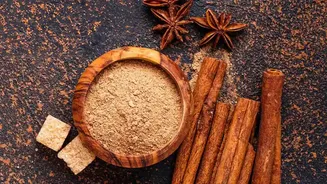
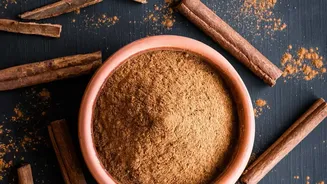
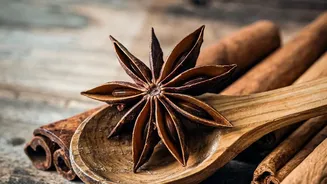
Telling the two apart is easy once you know what to look for. When buying cinnamon sticks, Ceylon quills are light tan, soft, and composed of many thin, papery layers rolled together like a cigar; they crumble easily. Cassia sticks are dark reddish-brown, very hard, and consist of a single, thick layer of bark that curls inward, forming a hollow tube. With ground powder, the difference is less obvious, but Ceylon is typically lighter in color and has a finer texture. The most reliable way to be sure is to check the label. Look for terms like “Ceylon,” “true cinnamon,” or the botanical name “Cinnamomum verum.”
Choosing the Right Spice for Your Dish
Beyond the health aspects, the two cinnamons also offer different flavour profiles. Ceylon has a delicate, sweet, and complex flavour with floral and citrus notes, making it perfect for desserts, baked goods, and dishes where a subtle warmth is desired. Its mildness complements other ingredients without overpowering them. Cassia, on the other hand, is bold, pungent, and spicy. Its robust flavour stands up well in savory dishes like rich curries, meat braises, and spice blends where it needs to compete with other strong flavours. For occasional use in dishes that call for a strong cinnamon punch, Cassia is perfectly fine. For daily use, Ceylon is the smarter pick.