






Fatty Fish for Omega-3 Power
Fatty fish like salmon, mackerel, and sardines are packed with omega-3 fatty acids, renowned for their potent anti-inflammatory properties. These healthy fats help reduce the production of molecules that trigger inflammation in the body, which can ease
joint stiffness and discomfort associated with conditions like arthritis. Furthermore, omega-3s are believed to play a role in preserving cartilage, the cushion between your joints, and maintaining synovial fluid, which keeps joints lubricated for smooth movement. Aiming for at least two servings of fatty fish per week can be a beneficial step. For those on a plant-based diet, sources like flaxseeds, chia seeds, and walnuts also provide a form of omega-3.
Berries for Antioxidant Protection
Colourful berries like blueberries, strawberries, and cherries are more than just a sweet treat. They are loaded with antioxidants, particularly compounds called anthocyanins, which give them their vibrant red, blue, and purple hues. These antioxidants combat oxidative stress, a process that can damage cells and contribute to chronic inflammation throughout the body, including in the joints. Studies suggest that regular consumption of berries can help reduce inflammation and may lessen the symptoms of arthritis. Enjoy them fresh, frozen in a smoothie, or added to yoghurt to reap their protective benefits.
Broccoli and Cruciferous Vegetables
Broccoli and its cruciferous relatives like Brussels sprouts and cabbage contain a powerful compound called sulforaphane. Research has shown that sulforaphane has anti-inflammatory properties and may help protect joint health by blocking enzymes that contribute to cartilage destruction. Some studies, primarily in labs and animals, have indicated that sulforaphane can slow the progression of osteoarthritis. While more human studies are needed, adding these nutrient-dense vegetables to your meals is a great way to boost your intake of vitamins and beneficial plant compounds.
Turmeric, the Golden Spice
Turmeric has been used for centuries in traditional medicine, and modern science is catching up to its benefits. Its main active compound, curcumin, is a powerful anti-inflammatory agent. Studies have shown that curcumin can help manage the pain and inflammation associated with both osteoarthritis and rheumatoid arthritis, with some research suggesting it can be as effective as some over-the-counter pain relievers. The body doesn't absorb curcumin easily on its own, but pairing it with black pepper (which contains piperine) can significantly enhance its absorption. Try adding a sprinkle of turmeric and a dash of black pepper to soups, roasted vegetables, or curries.
Leafy Greens for Essential Nutrients
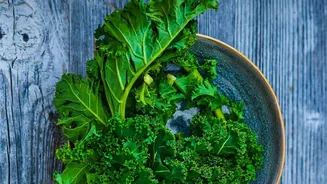
Dark leafy greens such as spinach, kale, and collard greens are nutritional powerhouses. They are rich in antioxidants and essential nutrients like Vitamin K and Vitamin C. Vitamin K is important for bone health, which provides the foundation for strong joints. Vitamin C is a crucial component in the production of collagen, a key protein that forms the structure of cartilage, tendons, and ligaments. By fighting inflammation and providing the building blocks for joint tissues, incorporating a variety of leafy greens can contribute significantly to long-term joint resilience.
Nuts and Seeds for Healthy Fats
Like fatty fish, certain nuts and seeds are excellent sources of anti-inflammatory omega-3 fatty acids. Walnuts, in particular, are high in these beneficial fats. Flaxseeds and chia seeds are other potent plant-based sources. Beyond omega-3s, nuts and seeds provide a good source of magnesium, a mineral that plays a role in bone and cartilage health. Regularly incorporating a small handful of nuts or a spoonful of seeds into your daily routine—sprinkled on a salad, blended into a smoothie, or as a simple snack—can be an easy and effective way to support your joints.