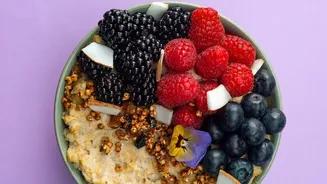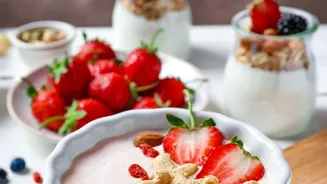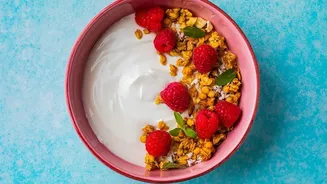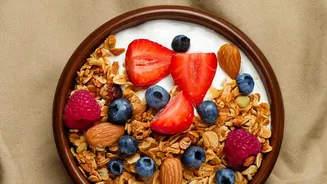




Why Your Bowl Size Matters
The breakfast bowl trend has made morning meals more exciting, but it has also introduced the risk of 'portion distortion'. What starts as a healthy bowl of oats or yogurt can quickly become a calorie-dense meal if not measured correctly. Many people
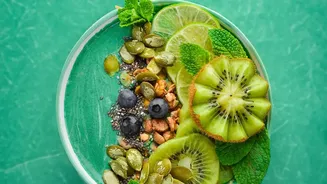
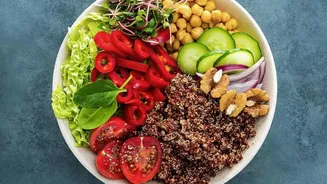
free-pour ingredients like granola, nuts, and seeds, underestimating their caloric value. A standard serving of nuts, for example, is just about one ounce (roughly a small handful or 23 almonds), which contains 160-200 calories. Using a smaller bowl can be a simple psychological trick to help control how much you serve yourself, preventing a healthy breakfast from turning into an accidental calorie bomb. The goal is to create a meal that is satisfying and nutrient-dense, not just voluminous.
The Blueprint for a Balanced Bowl
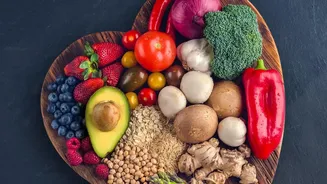
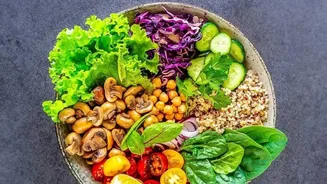
A truly healthy breakfast bowl is built on a foundation of balanced macronutrients: lean protein, complex carbohydrates, and healthy fats. This combination provides sustained energy, keeps you feeling full longer, and supports everything from muscle repair to brain function. Start with a protein base like Greek yogurt, cottage cheese (paneer), or even sprouted moong. Next, add a source of complex carbohydrates for fibre and slow-release energy, such as rolled oats, quinoa, or millets. Finally, incorporate healthy fats from sources like flaxseeds, chia seeds, or a small amount of nuts for satiety. This balanced approach ensures your breakfast works for you all morning long.
Visual Cues for Perfect Portions
You don't need a weighing scale to get your portions right. Using your hand as a guide is a practical way to measure. Aim for about one cup of your base, like yogurt or cooked oats. For toppings, a serving of fruit should be about the size of your fist (around ½ to 1 cup). A serving of nuts or seeds should fit into the palm of your hand (about ¼ cup or one ounce). When it comes to healthy fats like nut butter, a serving is about one tablespoon, or the size of your thumb. By using these visual cues, you can easily assemble a bowl that is both delicious and appropriately portioned without meticulous measuring.
Don’t Forget Your Morning Fluids
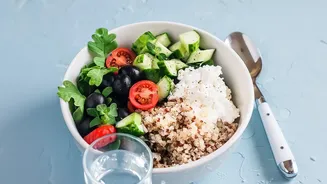
What you drink is just as important as what you eat. After a night's sleep, your body is naturally dehydrated. Rehydrating first thing in the morning is crucial for kick-starting your metabolism, improving brain function, and aiding digestion. Drinking a glass or two of water before your breakfast bowl can also help you distinguish between true hunger and thirst, potentially reducing your overall calorie intake. While coffee and tea are morning staples, plain water should be your first choice. It replenishes lost fluids without adding calories or sugar, setting a healthy tone for the rest of the day and preparing your digestive system for your meal.
Indian-Inspired Bowl Ideas
Bringing these principles to life is easy with ingredients common in Indian kitchens. Try a 'Masala Oats Bowl' by cooking rolled oats with spices and vegetables and topping it with a spoonful of seeds. Another great option is a 'Sprouted Moong Dahi Bowl', combining protein-packed sprouted lentils with plain curd, chopped cucumber, and tomato, seasoned with chaat masala. For a savoury and filling option, a 'Besan Chilla Bowl' can be made by crumbling a couple of besan chillas (gram flour crepes) into a bowl and topping them with fresh mint chutney and a side of yogurt. These bowls are packed with flavour, protein, and fibre, keeping you full until lunch.