




Beyond Postcards and Houseboats
For years, Kerala has been synonymous with serene backwaters and lush tea plantations. But a deeper, more meaningful travel movement has been taking root. The state’s acclaimed Responsible Tourism (RT) Mission is built on a simple yet powerful idea: tourism
should benefit the people and places that travellers come to see. Instead of treating local residents as a backdrop for vacation photos, this model turns them into active partners. It’s a shift from merely visiting a place to truly experiencing it through the eyes of those who call it home. This approach focuses on making sure that tourism revenue stays within local villages, empowering women, and preserving the state’s rich cultural and natural heritage.
What is Community-Led Tourism?
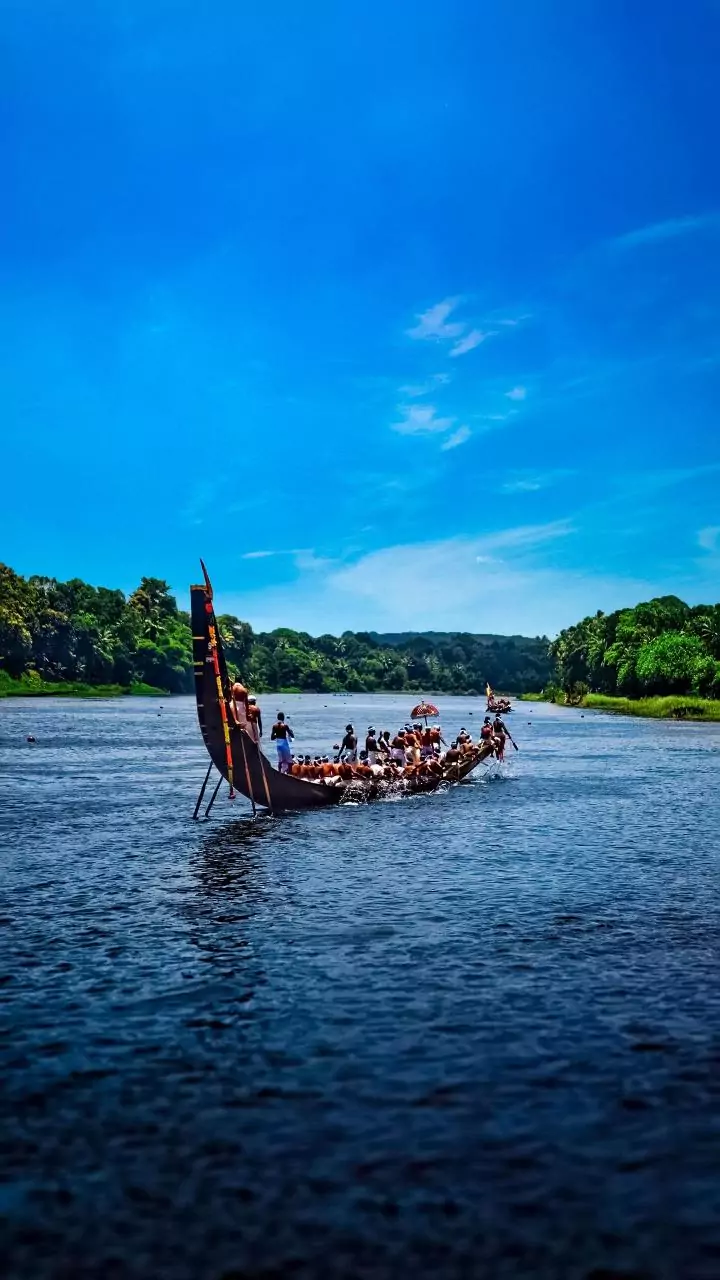
At its heart, community-led tourism is about authenticity and mutual respect. It means that instead of staying in a large, anonymous hotel, you might choose a family-run homestay where you can share a home-cooked meal. It means your tour guide might be a local farmer who can show you the nuances of spice cultivation, or your souvenir might be a handicraft bought directly from the artisan who made it. This model empowers local communities by creating direct income opportunities through activities like canoe tours, coir-making demonstrations, and cultural performances like Kathakali or Theyyam. It transforms tourism from a passive experience into an active, respectful exchange that benefits both the visitor and the host community.
The Next Wave of Experiences
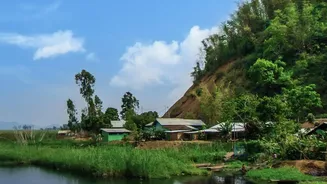
Now, Kerala is pushing this successful model even further. Recent initiatives aim to take these authentic experiences into the state's interiors and rural hinterlands, moving beyond the traditional tourist trail. One major expansion is the STREET project, an acronym for Sustainable, Tangible, Responsible, Experiential, Ethnic, Tourism hubs. This project is being rolled out in select locations across seven districts, creating themed streets focused on culture, agriculture, art, and water-based activities. Another new initiative is the development of 'life experience trails', which weave together village life, local cuisine, farming practices, and heritage into immersive packages for travellers. The government is actively encouraging local civic bodies to develop their own unique tourism destinations, ensuring that even more communities can participate in and profit from tourism.
A Win-Win for Travellers and Locals
This expansion isn't just a policy decision; it's a response to a growing global demand for more meaningful travel. Modern travellers are increasingly seeking genuine connections and the chance to understand a culture from the inside out. For visitors, these community-led experiences offer a richer, more memorable holiday. For locals, it provides sustainable livelihoods that are in harmony with their way of life. By creating jobs, supporting small-scale entrepreneurs, and giving residents a stake in preserving their environment and traditions, Kerala's model ensures that tourism is a force for good. It has been particularly successful in empowering women-led enterprises, from culinary groups to craft collectives.
How to Experience It Yourself
Supporting this tourism model is straightforward. When planning a trip to Kerala, look for accommodations and tour operators that are part of the Responsible Tourism Mission. Opt for homestays, participate in village life experience packages, and seek out opportunities to learn from local guides. You can explore a tribal cooking class in Marayoor, take a canoe ride through the narrow canals of Kumarakom, or witness the vibrant ritual of a Theyyam performance in North Kerala. By choosing these experiences, you are not just buying a service; you are directly contributing to the local economy and the preservation of a unique culture, making your journey more impactful.