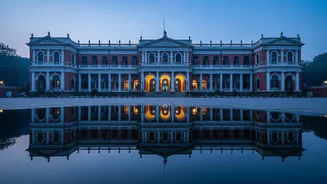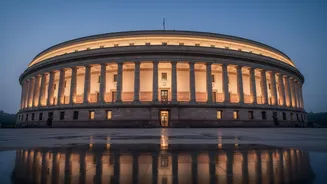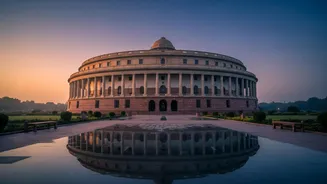



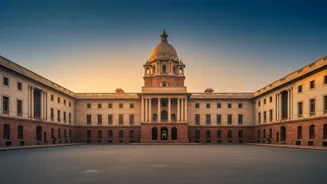
A Capital Drenched in Joy
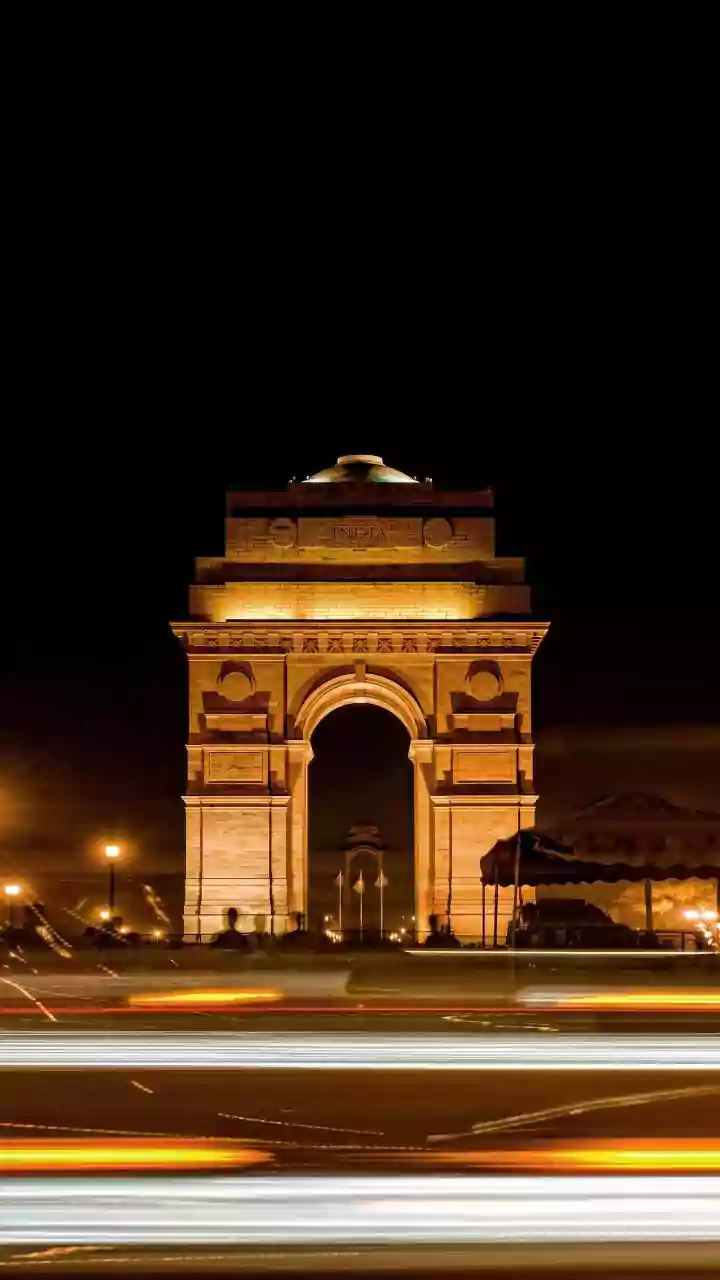
The morning after the 'Tryst with Destiny' speech, Delhi was a sea of humanity. People from all walks of life—villagers, city dwellers, men, women, and children—poured into the streets, their faces alight with a mixture of disbelief and euphoria. The air,
thick with anticipation, buzzed with cries of 'Jai Hind'. Newspapers from the day captured the mood with headlines like "India Independent: British Rule Ends". For the first time, the tricolour was not a symbol of protest but of sovereignty. The city's landmarks, once symbols of imperial power, were draped in saffron, white, and green, as citizens claimed the capital for themselves in a wave of unprecedented and spontaneous celebration.
The Hoisting at the Red Fort
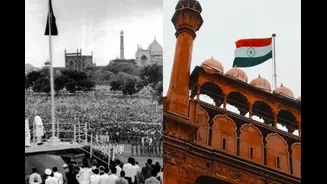
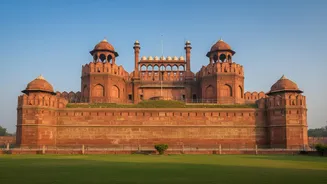
While the midnight session was for the assembly, the morning was for the people. The main official event was the hoisting of the national flag at the Red Fort. Thousands gathered to witness Prime Minister Jawaharlal Nehru raise the flag above the historic Lahori Gate. This act was deeply symbolic; the Red Fort, a seat of Mughal power and later a British garrison, was being reclaimed as a stage for Indian self-rule. In his address from the ramparts—a tradition that continues to this day—Nehru spoke not to the politicians, but to the masses. He declared that the flag represented not the triumph of a party, but of the entire country, a symbol of freedom for India and the world.
The Viceroy Becomes a Guest
In a unique turn of events, the last Viceroy, Lord Mountbatten, stayed on as the first Governor-General of the newly independent Dominion of India. On the morning of August 15, he was sworn in, and the new Indian cabinet was formed. The transition was marked by official ceremonies, but the public reaction to the Mountbattens was overwhelming. As they rode in a carriage through Delhi, massive crowds surged forward, cheering enthusiastically. It was a surreal moment, where the representative of the former colonial power was hailed as a guest of honour during the birth of the new nation.
A Joy Tinged with Sorrow
The celebrations, however, were held under the grim shadow of Partition. While Delhi rejoiced, other parts of the subcontinent were descending into chaos and violence. The new borders had been drawn, creating one of the largest and most violent mass migrations in history. Mahatma Gandhi, the father of the nation, was notably absent from the official festivities in the capital. He spent the day in Calcutta, fasting and praying for peace between Hindus and Muslims as communal riots ravaged Bengal. His absence was a poignant reminder, as he himself noted, that while the day was one of rejoicing, it was also one of deep sorrow.
Celebrations Across the Nation
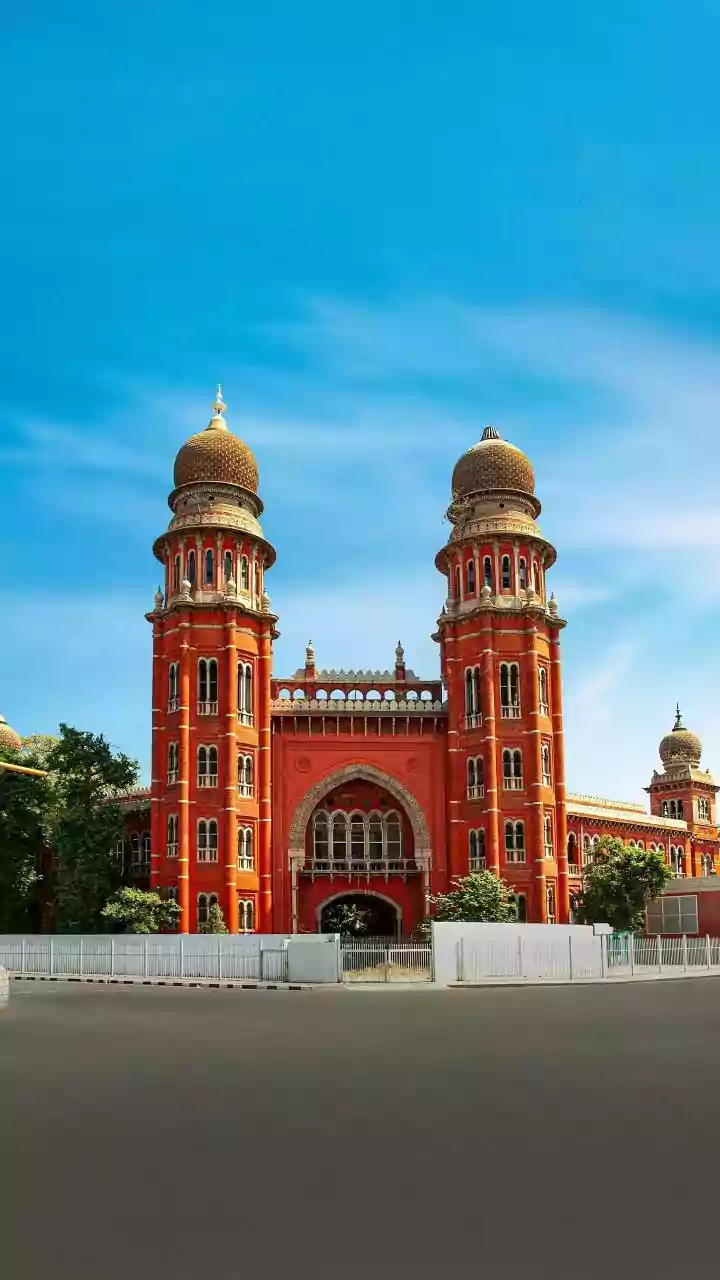
The spirit of freedom was not confined to Delhi. Across the country, in cities like Bombay, Madras, and Calcutta, similar scenes of jubilation unfolded. Flag-hoisting ceremonies took place in schools, colleges, and public squares. People distributed sweets, sang patriotic songs, and flew kites, a tradition that continues to be a symbol of freedom. For a brief, shining moment, the divisions of community seemed to melt away in shared joy. In many places, Hindus and Muslims celebrated together, with temples and mosques opening their doors to all, embodying the united dream that had powered the freedom struggle.