


The Art of Pure Focus
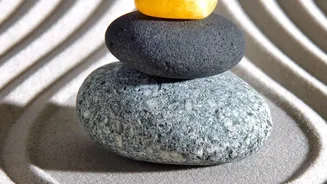
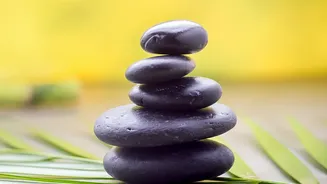
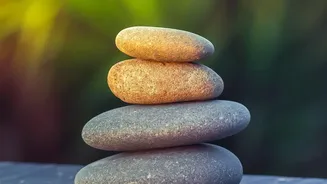
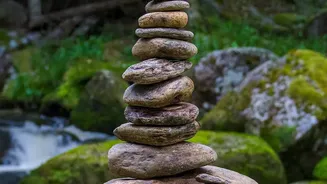
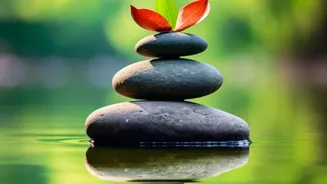
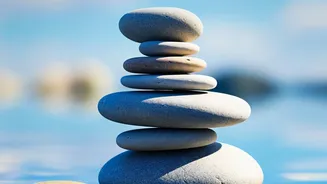
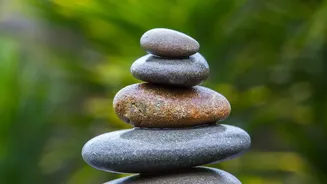
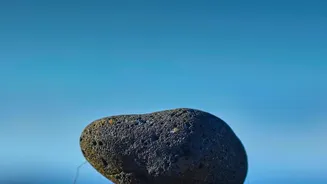
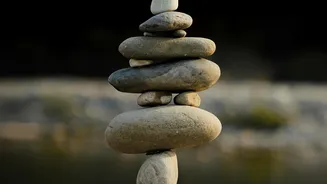
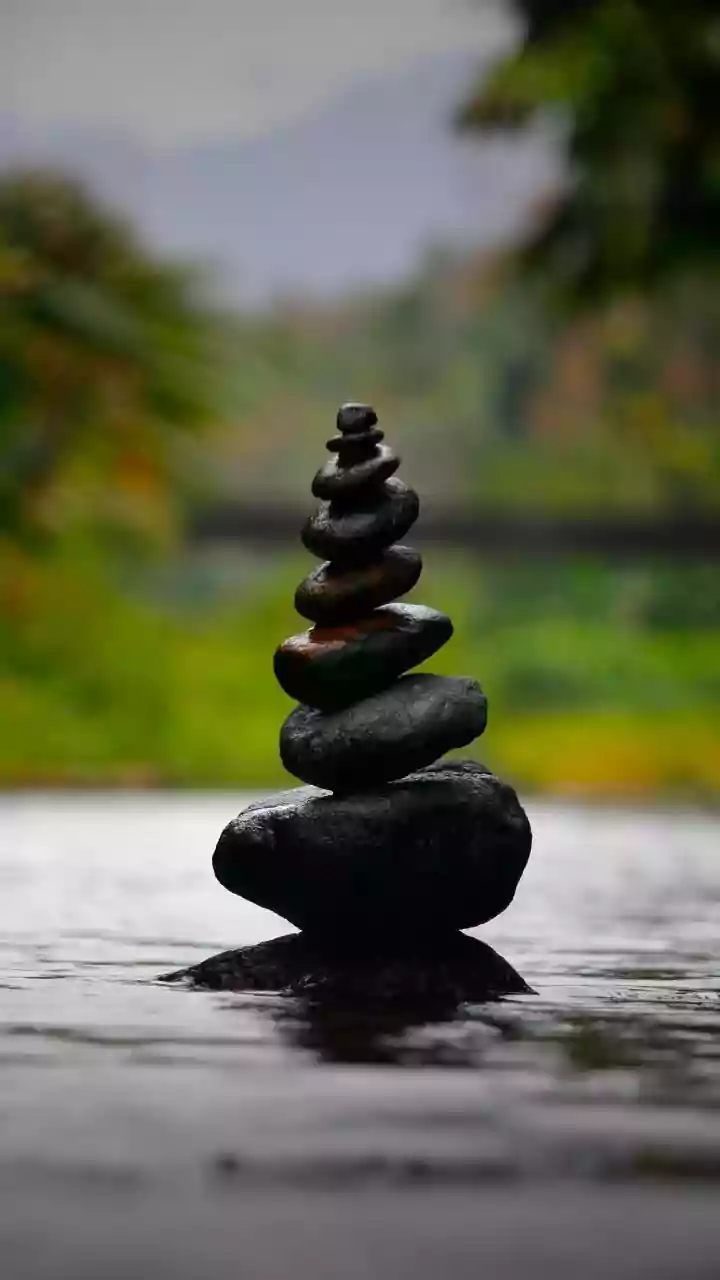
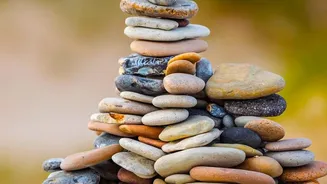
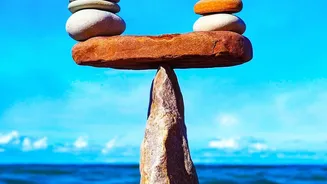
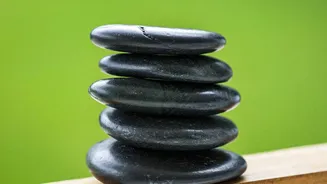
Stone balancing, at its core, is a simple yet profound activity. It involves stacking stones of various shapes and sizes without using any adhesives or supports. The goal is to find the natural centre of gravity for each rock, creating a stable, temporary
sculpture. This requires immense patience and intense concentration. Your full attention must be on the single task of finding the balance point, causing distractions and mental chatter to fade away. Many practitioners describe it as a meditative experience, a way of becoming fully present in the moment. It’s a practice that teaches resilience; when a tower falls, you don't fail, you simply begin again, learning from the collapse.
Training Your Mind and Body
The delicate act of balancing stones is a fantastic exercise for improving hand-eye coordination. You learn to make minute, precise adjustments based on what you see and feel. This process trains your fine motor skills and spatial awareness. It also enhances proprioception, which is your body's innate ability to sense its own position and movement. When you feel for the tiny indentations and shifts in a rock's weight, you are fine-tuning this internal sense. This heightened awareness of touch and pressure helps your brain and body work together more effectively, leading to better overall coordination in daily tasks.
The Unbeatable Outdoor Advantage
So, why not just balance objects on your desk? The outdoor element is crucial. Being in nature has a scientifically-backed restorative effect on the brain. Natural environments reduce activity in the brain's stress circuits and promote brain-wave patterns associated with calm and restoration. Attention Restoration Theory suggests that nature allows our minds to recover from the mental fatigue of daily life. The fractal patterns in leaves, the sound of flowing water, and the feel of wind on your skin engage your senses in a gentle, non-demanding way, allowing your capacity for directed focus to recharge. In contrast to a predictable indoor setting, the varied and uneven surfaces found outdoors provide a more dynamic and realistic challenge for your balancing skills.
A Gateway to Active Meditation
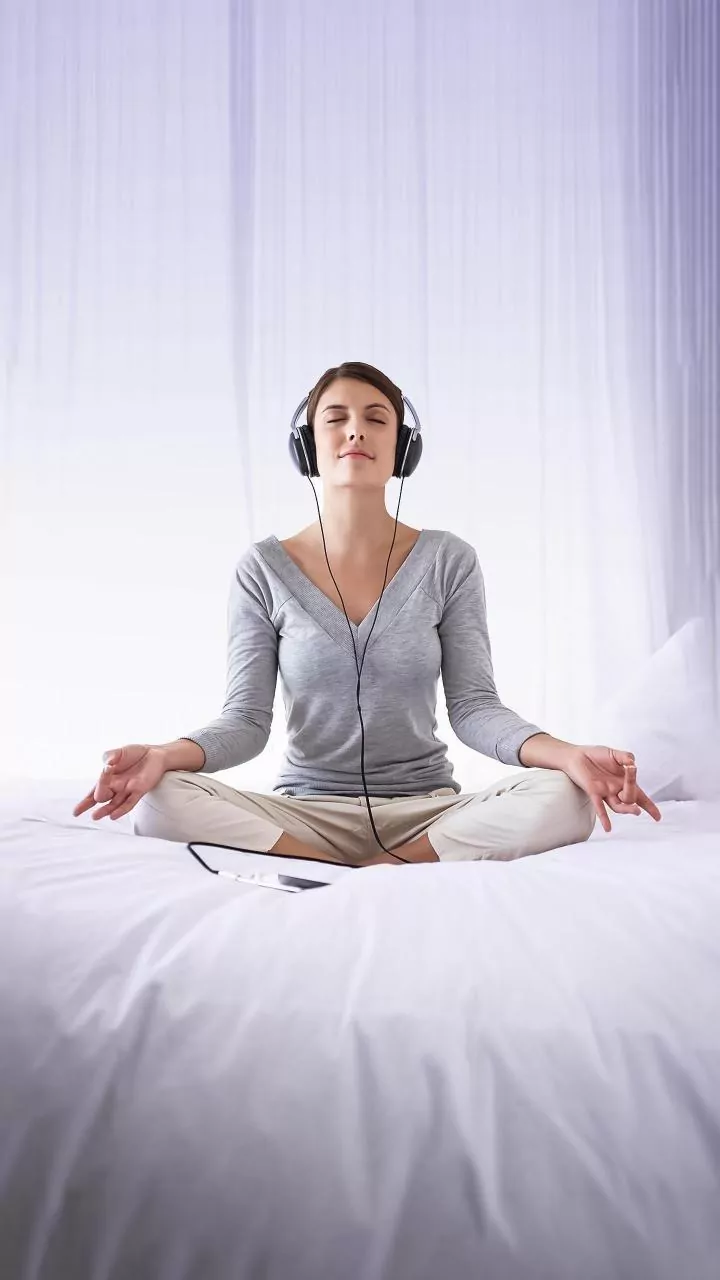
Stone balancing is often called a form of active meditation. Unlike sitting meditation, which can be difficult for a restless mind, stone balancing gives your mind a single, tangible point of focus: the connection between two stones. This act of concentration quiets internal dialogue. When practiced outdoors, this effect is magnified. The natural sounds of the environment, whether birdsong or the rustle of leaves, can create a soothing backdrop that enhances the meditative state. This combination of a focused task and a calming environment helps reduce stress, lower anxiety, and fosters a deep sense of peace and connection with your surroundings.
How to Find Your Own Balance
Getting started with stone balancing is incredibly accessible. You don't need any special equipment, just a collection of stones and a bit of patience. Find a quiet spot in a park, by a stream, or at the beach. Start with larger, flatter rocks for your base. Pick a second rock and try to feel for small indentations or points on both stones that can lock together. Some artists refer to this as finding a 'tripod'—three points of contact that create a stable foundation. The key is to move slowly, be patient, and focus on the process rather than the final result. Don't worry about how high you can stack. Instead, tune into the feeling of the stones in your hands and the quiet focus it brings.