





The Mighty Pumpkin Seed
First, let's give pumpkin seeds their due. These small but mighty seeds, also known as pepitas, are nutritional powerhouses. They are packed with valuable nutrients, including protein, healthy unsaturated fats, and fiber. They are also an excellent source
of essential minerals like magnesium, potassium, and zinc, which are vital for everything from heart health and immune function to blood pressure regulation. Furthermore, pumpkin seeds are rich in antioxidants that can help reduce inflammation in the body. Adding them to your baking is a fantastic way to boost the nutritional content of a treat. Studies show that baking does not significantly degrade most of the key nutrients like minerals, fiber, and protein. So, whether raw or baked, you're getting a solid dose of goodness.
The Flour Foundation
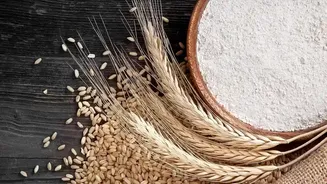
The single biggest factor determining a muffin's nutritional profile is often the flour. Many traditional recipes call for refined all-purpose white flour, which has been stripped of its bran and germ, and with them, most of the fiber and nutrients. While it produces a light, fluffy texture, it’s also quickly broken down by the body, which can lead to blood sugar spikes. Opting for whole-grain flours like whole wheat, spelt, or oat flour makes a significant difference. These flours retain their fiber, which slows digestion, promotes a feeling of fullness, and provides a steadier release of energy. The texture may be a bit denser, but the trade-off is a more satisfying and nourishing muffin that better supports the benefits of the pumpkin seeds you've added.
The Sweetener Situation
A coffee shop muffin can often contain as much sugar as a donut, if not more. When you bake at home, you have complete control over the type and amount of sweetener. Refined white sugar adds 'empty' calories without providing any nutritional benefits. It also contributes to a darker color and denser texture in the final product. To create a healthier muffin, consider reducing the total amount of sugar in your recipe. You can also experiment with alternatives. Natural sweeteners like maple syrup, honey, or mashed fruits like bananas and applesauce can provide sweetness along with some vitamins and minerals. Using fruit puree not only cuts down on added sugar but also contributes moisture, which can help you reduce the amount of fat needed in the recipe.
Choosing Your Fats Wisely
Fat is essential in baking; it contributes to flavour, tenderness, and a satisfying mouthfeel by preventing gluten from becoming too tough. However, not all fats are created equal. Many recipes rely on butter or shortening, which are high in saturated fats. The Dietary Guidelines for Americans recommend limiting saturated fat intake. Healthier muffins can be made using unsaturated fats, which are better for heart health. Good options include melted coconut oil, avocado oil, or even olive oil in more savory muffins. As mentioned, using fruit purees like unsweetened applesauce can replace some or all of the oil or butter in a recipe, cutting down on the overall fat and calorie content while keeping the muffins moist and tender.
Beyond the Seeds: Toppings and Mix-Ins
Finally, consider what else is going into the batter along with those pumpkin seeds. A handful of dark chocolate chips can add antioxidants, but a cup full of milk chocolate chips adds significant sugar and fat. The same goes for toppings. A sprinkle of pumpkin seeds is great, but a heavy-handed streusel topping made of butter, flour, and brown sugar can easily turn a relatively healthy muffin into a full-blown dessert. Think of your mix-ins as part of the total equation. Dried fruits, nuts, and spices like cinnamon and nutmeg are excellent ways to add flavour and texture without compromising the nutritional goals of your bake. The seeds themselves provide a wonderful nutty taste and crunchy texture, especially if you toast them first to bring out their flavour.