


Why Train on an Unstable Surface?
Performing exercises on a stable floor is a great start, but our bodies are incredibly efficient. Over time, they adapt. Introducing instability, such as by using a balance beam, forces your body to work much harder just to stay upright. This is where
proprioception—your body's awareness of its position in space—comes into play. The constant, subtle shifts on the beam force your brain and muscles to communicate more intensely. This heightened neuromuscular demand means your core muscles must fire continuously to make tiny adjustments, keeping you from toppling over. The result is a more dynamic and effective workout than simply performing static exercises on the ground.
Activating Your Deep Core
Many traditional core exercises, like crunches, primarily target the superficial 'six-pack' muscle (rectus abdominis). While important, true core stability comes from the deeper muscles that act like a corset for your spine, including the transverse abdominis and multifidus. Training on a balance beam is exceptionally good at engaging these deep stabilizing muscles. Every step, hold, or movement on the narrow surface requires your abdominals, obliques, and lower back to work together in a coordinated effort to maintain your center of gravity. This integrated activation builds functional strength that translates directly into better posture and a more resilient back in everyday life.
Getting Started: Safety and Equipment
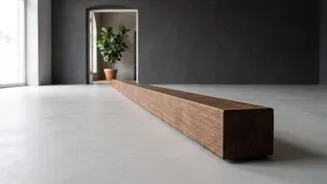
You don't need to be an Olympic gymnast to reap the benefits. For fitness purposes, a low-profile foam or wooden floor beam is all you need. These are typically only a few inches high, making them safe and accessible for home use. When starting, place the beam in an open area with plenty of space. It's a good idea to practice near a wall for support until you feel more confident. Wear comfortable clothing and consider starting with bare feet or appropriate footwear with good grip to better feel the beam. Remember to keep movements slow and controlled, prioritizing form over speed.
Beginner Beam Exercises
Once you're set up, start with the basics to build confidence and stability. Heel-to-Toe Walk: This is the most fundamental exercise. Walk slowly across the beam, placing the heel of your front foot directly against the toes of your back foot with each step. Keep your eyes focused on a fixed point in front of you. One-Leg Holds: Stand in the center of the beam and lift one foot, holding the position for 30 seconds before switching legs. This simple static hold powerfully engages your stabilizing muscles. Basic Squats: With your feet positioned along the beam, carefully lower into a squat, going only as deep as you can while maintaining balance. The unstable surface will make this familiar move feel entirely new.
Advancing Your Beam Workout
When you feel steady with the basics, you can progress to more dynamic movements to further challenge your core. Walking Lunges: Performing lunges along the length of the beam requires immense focus and control, deeply engaging your core, hips, and legs. Plank with Hands on Beam: Place your hands on the beam and your feet on the floor. The instability will force your core to work overtime to keep your body in a straight line. For an added challenge, try shoulder taps. Bird-Dog: Get on all fours on the beam (hands and knees). Slowly extend one arm forward and the opposite leg backward, holding for a few seconds before returning to the start and switching sides. This exercise is a potent test of balance and deep core stability.