



Beyond Smart: What Are Connected Cars?
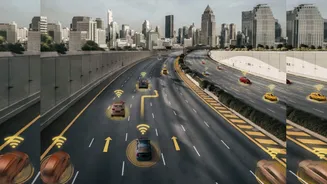
The term 'connected car' has evolved. It no longer just means a vehicle with Bluetooth or a GPS. The next frontier is Vehicle-to-Everything (V2X) communication. This technology allows vehicles to wirelessly exchange data with everything around them. This includes
vehicle-to-vehicle (V2V), where cars share their speed, braking status, and position with each other, and vehicle-to-infrastructure (V2I), where they communicate with traffic lights, road signs, and even workers on the road. The goal is to create a 360-degree awareness that human drivers and onboard sensors alone cannot achieve. This constant stream of information can warn a driver about a sudden stop several cars ahead or a pedestrian about to cross from a blind spot, turning reactive safety into proactive accident prevention.
The Compelling Safety Evidence
The push for connected vehicles isn't based on theory alone. Pilot programs and studies have generated powerful data. The U.S. National Highway Traffic Safety Administration (NHTSA) estimates that V2X applications could prevent or reduce the severity of up to 80% of crashes involving unimpaired drivers. Some analyses predict that V2V technology alone could reduce accidents by over 600,000 per year in the United States. More recent studies focusing on autonomous vehicles, which rely heavily on this technology, show they are involved in significantly fewer reported crashes than human-driven cars in the same environments. This mounting evidence forms the backbone of new safety plans, including recent draft proposals in India, which aim to make V2V communication mandatory for new vehicles by 2028.
The Crossroads of Communication Standards
For vehicles to talk to each other, they must speak the same language. For years, two main standards have competed for dominance: Dedicated Short-Range Communications (DSRC), which is based on Wi-Fi, and Cellular V2X (C-V2X), which uses 4G and 5G mobile technology. While DSRC was an early favorite, the industry is now decisively shifting towards C-V2X. C-V2X offers greater range and reliability, and its integration with existing cellular networks provides a clear path for future upgrades and connecting with the cloud. Recognizing this trend, India's proposed mandate specifies the use of C-V2X technology. This decision to pick a single standard is critical; without it, the network effect that makes the technology so powerful would be lost, as cars using different standards cannot communicate.
What This Means for Indian Roads
India's Ministry of Road Transport and Highways (MoRTH) has recently taken decisive steps. A draft notification proposes a phased-in mandate for V2V systems in all new vehicles—from two-wheelers to heavy trucks—starting in 2028, with compliance for voluntary systems beginning in 2027. This plan hinges on a new standard, AIS-230, which is based on C-V2X. This follows other foundational moves, including de-licensing the necessary radio frequency spectrum and proposing mandatory cybersecurity rules to protect these rolling computers from hacking. For consumers, this means future vehicles will offer unprecedented levels of safety. For the Indian auto industry, it presents both a challenge and an opportunity to become a leader in deploying next-generation automotive technology, moving beyond passive safety features like airbags to a new era of active, cooperative safety.