


The First Rule: Harmony of Scale
The most common mistake in pairing a plant with a pot is getting the scale wrong. A planter serves two functions: a home for the plant's roots and a visual anchor in the room. For the plant's health, a new pot should be about 2 to 4 inches wider in diameter
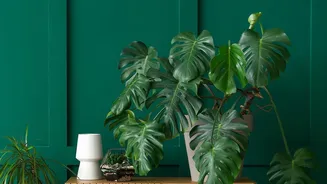
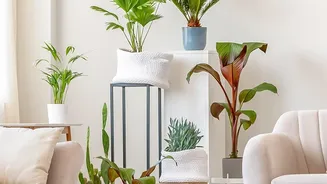
than the current root ball. This gives the roots space to grow without being overwhelmed by excessive, slow-drying soil that can lead to root rot. However, visual scale is just as important. A large, dramatic plant like a Fiddle Leaf Fig will look comical in a tiny pot, while a small succulent will be completely lost in a massive container. The goal is proportion. The planter should feel like a natural extension of the plant, creating a balanced and intentional silhouette.
Considering the Room's Context
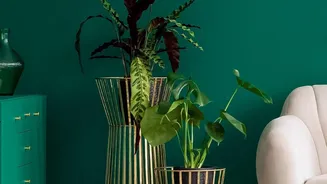
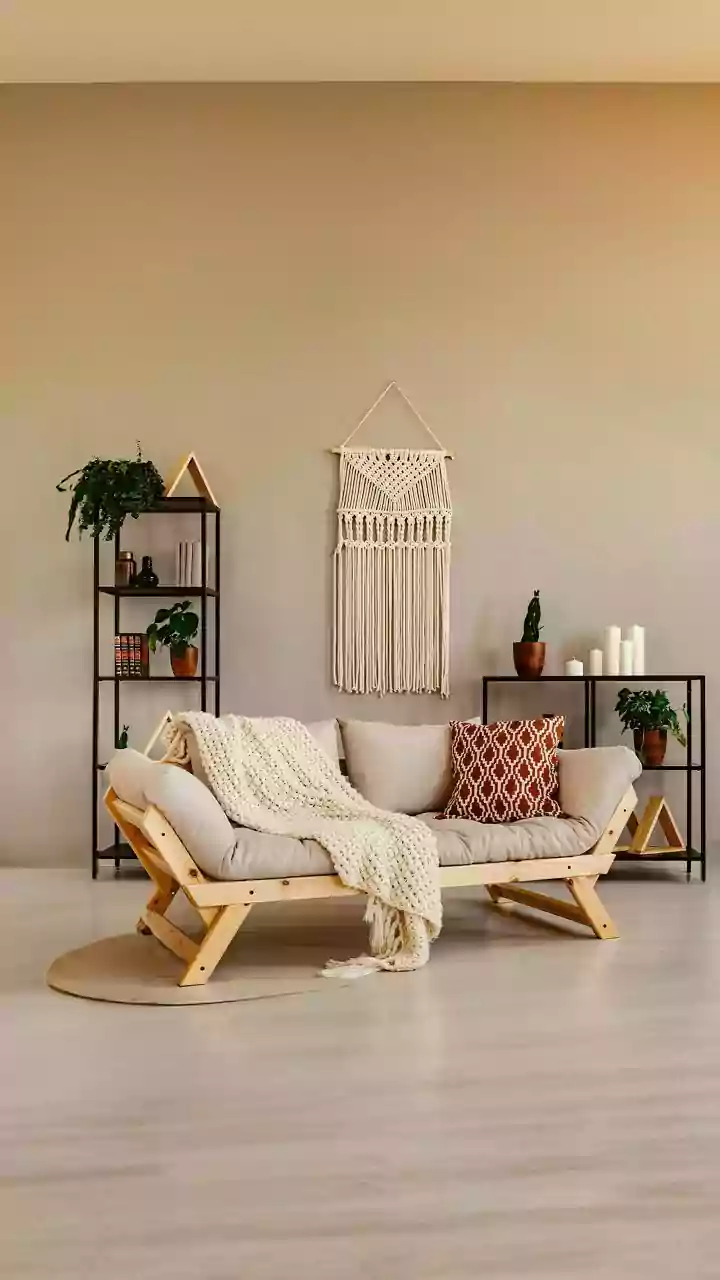
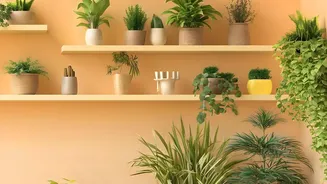
A planter doesn't exist in a vacuum; it’s part of a larger ecosystem that includes your furniture and the room's dimensions. Think of your planter as a piece of accent furniture. A small pot on the floor next to a large sofa will feel insignificant and out of place. Conversely, an oversized floor planter can overwhelm a small armchair or tight corner. Generally, small pots (4-7 inches) belong on shelves, side tables, and mantels. Medium planters (8-12 inches) are perfect for coffee tables, console tables, and kitchen islands. Large floor planters (12 inches and up) are best used to anchor empty corners, frame a doorway, or flank a fireplace, turning dead space into a deliberate design moment.
A Symphony of Shape and Form
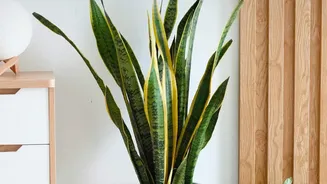
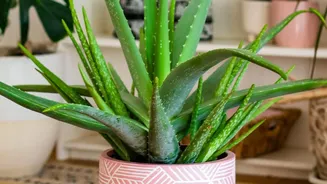
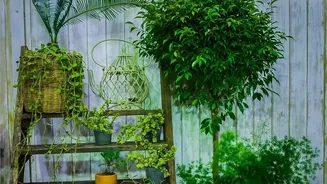
The shape of your planter should complement both the plant it holds and your home's aesthetic. Rounded or bowl-shaped containers tend to soften a space and work well with bushy, full foliage. Tall, slender planters draw the eye upward, making them ideal for entryways or adding height to a room. Square and rectangular pots provide a sense of structure and order, fitting perfectly in modern or minimalist designs and making efficient use of space on balconies or against walls. Consider the plant's growth habit. Upright plants like a Snake Plant look excellent in sleek, geometric pots that echo their form, while trailing plants like Pothos or ivy are beautifully showcased in hanging planters or pots that allow their vines to cascade freely.
The Critical Choice of Colour
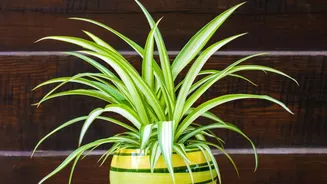
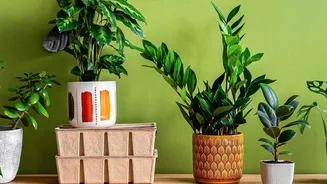
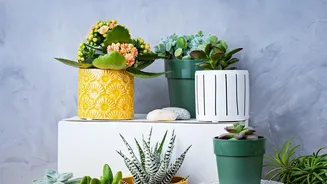
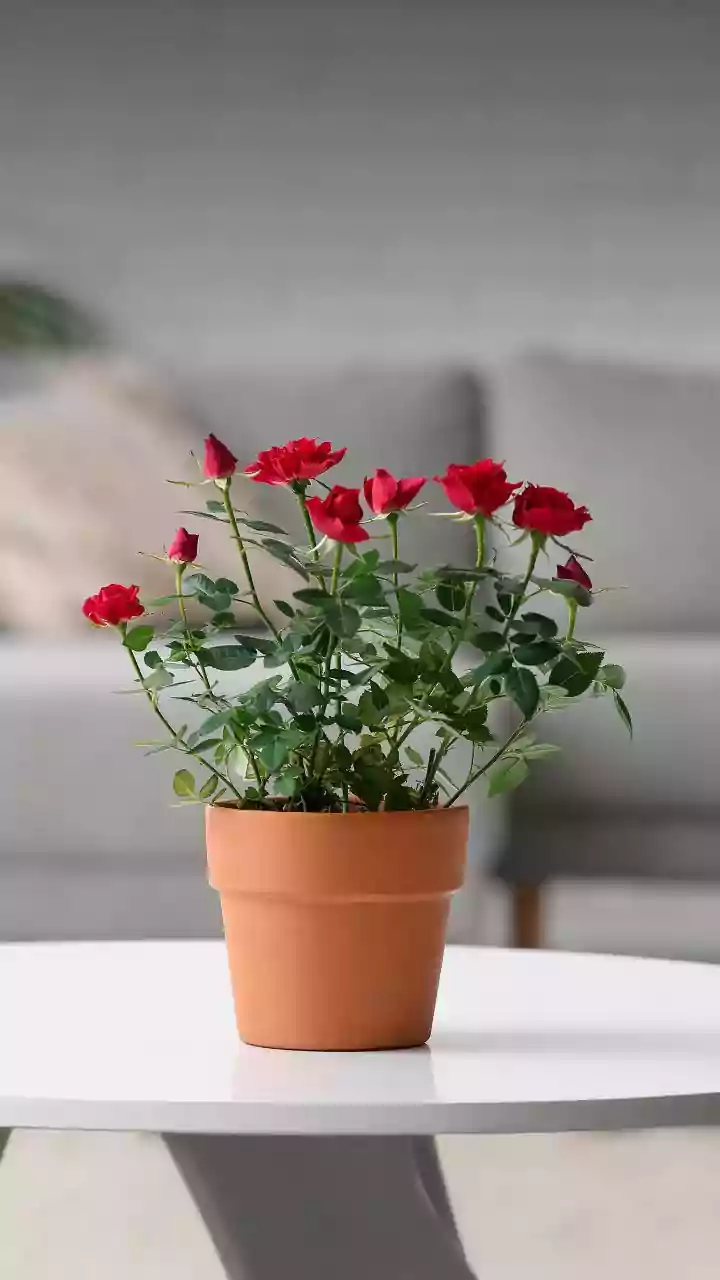
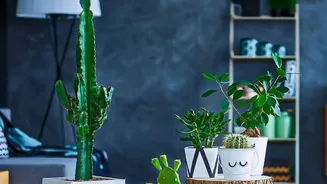
Colour is where a planter can either unite a room or create a jarring distraction. The key is to complement, not overpower. Neutral-toned planters in white, black, grey, beige, or terracotta are timeless and versatile, allowing the plant's green foliage or bright flowers to be the main attraction. These shades blend seamlessly into most decor styles, from Scandinavian to contemporary. However, a colourful pot can act as a powerful accent piece. If your furniture is neutral, a planter in a bold hue like teal, mustard, or deep blue can add a vibrant pop of personality. Conversely, if your room is already full of colour, a neutral pot can provide a grounding, balancing element to the design. The goal is to create harmony with your existing colour palette, whether through matching or intentional, appealing contrast.
Material Matters for Style and Health
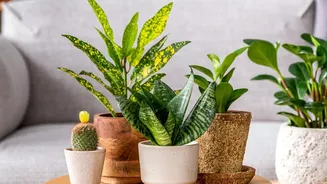
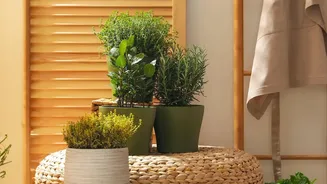
Finally, the material of the planter affects both its style and its function. Porous materials like terracotta are excellent for plants that prefer drier soil, such as succulents and cacti, because they allow moisture to evaporate through their walls. Glazed ceramic and plastic pots are nonporous, retaining moisture longer, which is ideal for thirsty plants. From a design perspective, the material helps reinforce your style. Natural materials like clay or woven baskets suit rustic, cottage, or bohemian decor. Sleek metal, minimalist ceramic, or smooth fibreglass planters are a perfect match for modern, mid-century, or contemporary spaces, enhancing the clean lines and unadorned surfaces of those styles.