



The Science of Frozen
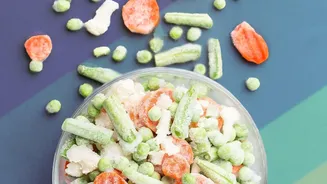
Ever wonder why a frozen vegetable behaves so differently from a fresh one? The answer lies in a process called blanching and flash-freezing. Before being packaged, vegetables are briefly scalded in boiling water (blanched) and then immediately plunged
into ice water to stop the cooking. This process deactivates enzymes that would otherwise cause the veggies to lose colour, flavour, and texture. They are then flash-frozen at very low temperatures, which locks in nutrients. In fact, studies show that frozen vegetables are often nutritionally similar to, and in some cases, even richer in certain vitamins like Vitamin C than fresh produce that has sat on shelves for days. This pre-cooking and freezing process is what makes their texture fundamentally different from their fresh counterparts.
The Great Thawing Debate
The single biggest mistake most people make is thawing frozen vegetables before cooking them. Unless the package specifically instructs you to, or you're making a dish where a soft texture is desired like a dip or puree, do not thaw them. When frozen vegetables defrost, the ice crystals inside melt, releasing water that makes the vegetable soggy and dilutes its flavour. Cooking them directly from frozen allows this excess moisture to evaporate quickly in the hot pan or oven, helping them to retain a better texture and colour. For dishes like stir-fries, pulao, or sabzis, adding the vegetables straight from the freezer is almost always the best approach.
Conquering the Soggy Veggie
The enemy of a good frozen vegetable dish is excess moisture. Since freezing ruptures the cell walls of the plant, they are prone to becoming mushy. To fight this, use high heat. Whether you are roasting, sautéing, or stir-frying, make sure your pan or oven is properly hot before adding the vegetables. This helps sear the outside and evaporates water quickly. Don't overcrowd the pan; cook in batches if you have to. Crowding the pan lowers the temperature and causes the vegetables to steam in their own liquid rather than roasting or frying. For Indian cooking, using a stainless steel pan or a heavy-bottomed kadai can help maintain the high heat needed for a good texture.
Best Cooking Methods
Boiling is often the worst way to cook frozen vegetables as it adds even more water and can lead to a mushy, bland result. Instead, opt for methods that use dry, high heat. Roasting is fantastic; toss frozen broccoli or cauliflower with oil and spices on a preheated sheet pan at a high temperature (around 200°C) for a delightfully crispy result. Sautéing or stir-frying in a hot pan with a little oil is another great option for a quick side dish or to incorporate into fried rice. When adding to a curry or a sabzi, it's best to add the frozen vegetables towards the end of the cooking process. Since they are already blanched, they cook much faster than fresh vegetables and only need a few minutes to heat through. Overcooking is a primary cause of mushiness.
Flavour and Seasoning
Frozen vegetables can sometimes taste a bit bland because the freezing process and any resulting water can dilute their natural flavour. This just means you need to be a little more generous with your seasoning. Don't be afraid to add a good pinch of salt, your favourite spices, herbs, or a squeeze of lemon juice after cooking to brighten up the flavours. For an Indian-style preparation, a classic tadka of mustard seeds, cumin, and other spices in hot oil before adding the vegetables can transform a simple bag of mixed veggies into a delicious and aromatic side dish. The key is to compensate for the potential lack of flavour by adding your own.