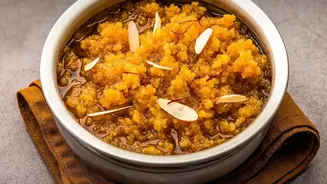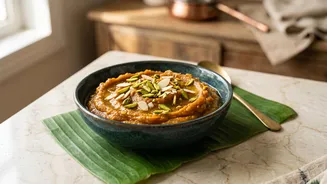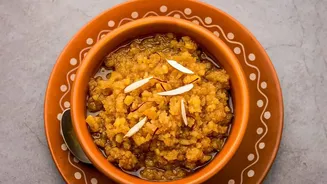


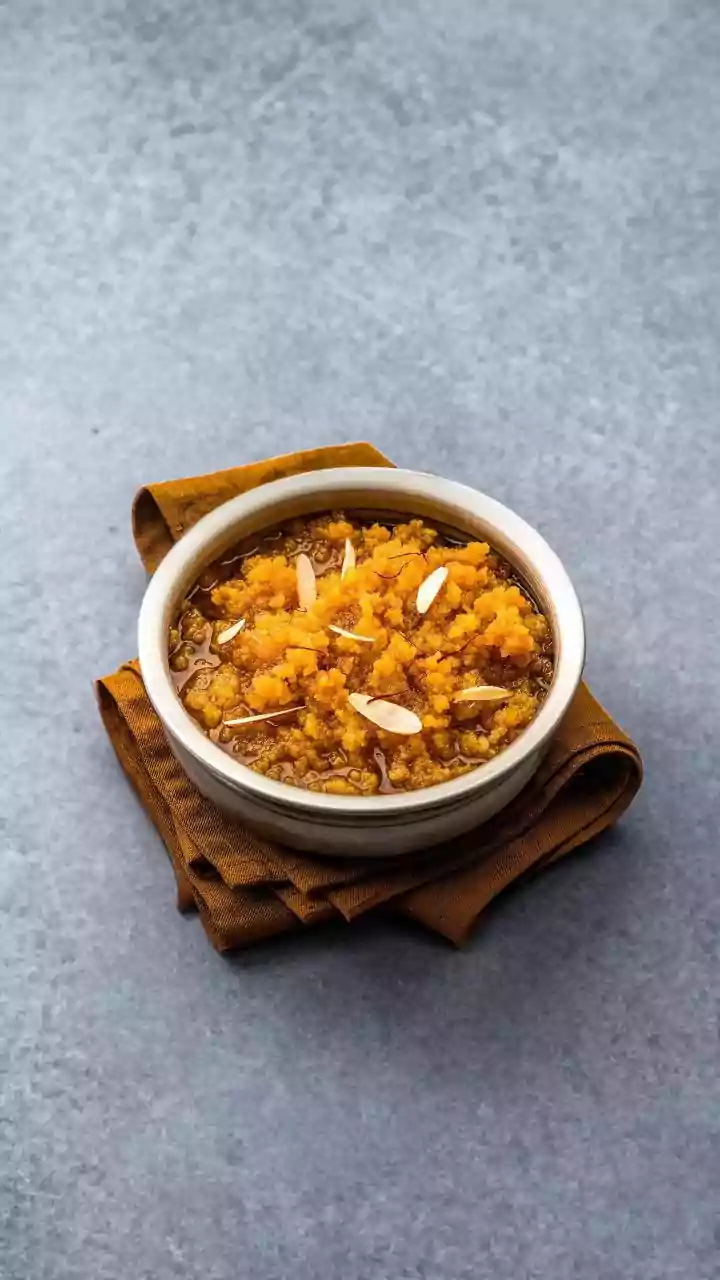

The Underrated Dessert Hero
When you think of halwa, your mind might jump to semolina (sooji) or carrots (gajar). But sweet potato is a brilliant alternative that deserves a place in your dessert rotation. Its natural sweetness means you can often use less sugar, and its inherent
creaminess lends itself perfectly to the slow-cooked, ghee-laden magic of halwa. Unlike regular potatoes, sweet potatoes are packed with nutrients like beta-carotene, Vitamin C, and fibre, making this a dessert you can feel a little better about indulging in. It’s a comforting, wholesome sweet that feels both traditional and refreshingly modern. This dish is particularly popular during fasting periods like Navratri, but it's simple enough to be a weeknight treat.
Your Simple Ingredient List
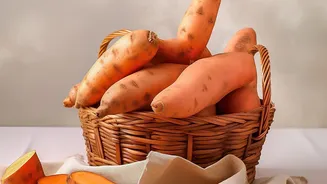
This recipe doesn’t require a trip to a specialty store. You’ll need a few pantry staples to transform the sweet potatoes into a delectable treat. Sweet Potatoes (Shakarkandi): About 2 large ones (around 500-600 grams). Ghee: 3-4 tablespoons. This is essential for the authentic flavour and glossy texture. Sweetener: 4-5 tablespoons of sugar or jaggery. You can adjust this based on how sweet your potatoes are and your personal preference. Milk: About ½ cup. Some recipes use it to add richness and help with the texture. Cardamom Powder (Elaichi): ½ teaspoon for that classic, aromatic warmth. Mixed Nuts: A handful of cashews, almonds, or pistachios, chopped for garnish. Optional Flavourings: A pinch of nutmeg or a few strands of saffron soaked in warm milk can elevate the dish further.
A Step-by-Step Guide to Halwa Heaven
Making sweet potato halwa is a straightforward process that mainly involves some patient stirring. The key is to cook it until the ghee begins to separate from the mixture, a sign that the halwa is ready. 1. Cook the Sweet Potatoes: The first step is to cook the sweet potatoes until they are very tender. You can do this by boiling, steaming, or pressure cooking them. Steaming is often preferred as it prevents the potatoes from becoming waterlogged. Once they are cool enough to handle, peel the skin off. 2. Mash Well: Using a fork or a potato masher, mash the cooked sweet potatoes thoroughly. Aim for a smooth consistency with no large lumps. 3. Sauté the Mash: Heat the ghee in a heavy-bottomed pan or kadai. If you're using nuts for garnish, you can lightly fry them in the ghee first, then set them aside. Add the mashed sweet potato to the same pan. Sauté the mash for 5-8 minutes over medium heat, stirring continuously. This step is crucial for developing flavour and removing any raw taste. 4. Add Sweetness and Milk: Stir in your sugar or jaggery. The mixture will loosen as the sugar melts. Continue to cook, then pour in the milk. Keep stirring until the milk is absorbed and the halwa starts to thicken again. 5. Cook to Perfection: Now add the cardamom powder and any other optional flavourings like saffron. Continue to cook on a low-to-medium flame, stirring regularly. The halwa is done when it becomes glossy, pulls away from the sides of the pan, and you can see the ghee separating. 6. Garnish and Serve: Turn off the heat, fold in most of your chopped nuts, and transfer the halwa to a serving bowl. Garnish with the remaining nuts and serve warm.
Tips for Perfecting Your Halwa
While the recipe is simple, a few tips can ensure you get the best possible result every time. Choosing Sweet Potatoes: Any variety works, but the orange-fleshed ones tend to be sweeter and creamier. Mashing Technique: For the smoothest texture, mash the sweet potatoes while they are still warm. Don't Skimp on Stirring: Continuous stirring is key to prevent the halwa from sticking to the bottom of the pan and burning. Grated vs. Mashed: Some recipes call for grating the raw sweet potato before cooking. While this also works, boiling and mashing first often yields a smoother, less fibrous texture and is generally quicker. Adjusting Sweetness: Always taste your cooked sweet potato mash before adding the full amount of sugar. Some batches are naturally much sweeter than others.