


The Sweet Surprise of Potato Halwa
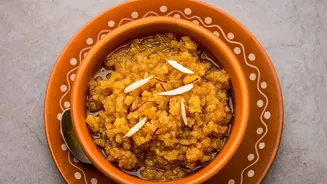
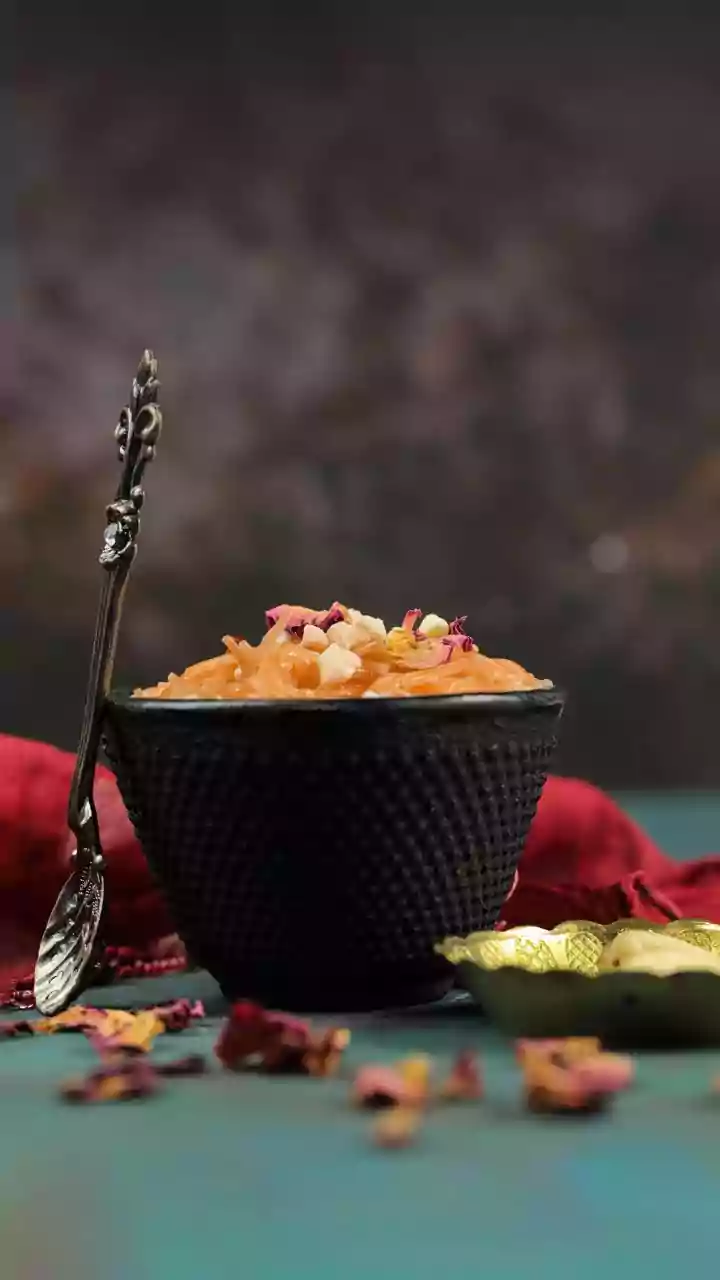
At first glance, Aloo ka Halwa seems like a culinary contradiction. It's a rich, dense sweet made by sautéing boiled, mashed, or grated potatoes in a generous amount of ghee, then slow-cooking them with milk, sugar, and fragrant spices like cardamom and saffron.
The result is a pudding-like dessert with a unique, melt-in-your-mouth texture. The inherent starchiness of the potato lends the halwa a delightful, fudgy consistency that’s unlike more common grain-based sweets. Garnished with toasted nuts like almonds and cashews, it’s a warm, comforting dish that completely reimagines the potato’s role on the plate.
A Fasting Favourite
Potato halwa isn't just a novelty; it holds a special place in India's culinary traditions, particularly during religious fasting periods like Navratri or Ekadashi. During these times, observers typically abstain from grains, lentils, and certain spices. Root vegetables, however, are often permitted, making the potato an essential source of energy. Its high carbohydrate content provides sustained fuel, which is crucial during a fast. As a result, creative dishes like aloo ka halwa emerged, offering a permissible and delicious way to enjoy a satisfying, energy-boosting sweet. It’s a perfect example of culinary ingenuity born from cultural practice.
The Humble Potato's Journey
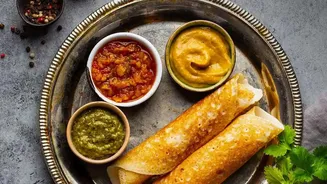
Interestingly, the potato is not native to India. It was introduced by Portuguese traders in the 17th century and later popularised by the British. Despite its foreign origins, the tuber was embraced wholeheartedly across the subcontinent. Its mild flavour and incredible ability to absorb spices made it a versatile addition to countless regional cuisines, from aloo posto in Bengal to the masala dosa filling in the South. The potato's journey from a foreign crop to a staple ingredient—and eventually, into a beloved dessert—highlights its remarkable adaptability and its seamless integration into the fabric of Indian food culture.
Not the Only Vegetable Sweet
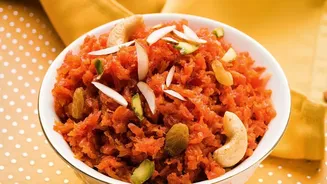
The concept of turning a savoury vegetable into a sweet delicacy is a recurring theme in Indian desserts. Potato halwa shares its category with a host of other inventive creations. Gajar ka halwa (carrot) is perhaps the most famous, but kitchens across the country also produce lauki ka halwa (bottle gourd), kaddu ka halwa (pumpkin), and even beetroot halwa. Some regions boast even more unique sweets like parwal ki mithai (stuffed pointed gourd) or tamatar ki barfi (tomato fudge). Even garlic has been transformed into a royal dessert known as Benami Kheer, its 'secret ingredient' status a testament to the chef's skill. These dishes showcase a culinary philosophy that sees potential in every ingredient, refusing to be limited by conventional categories.