





A New Window on the Universe
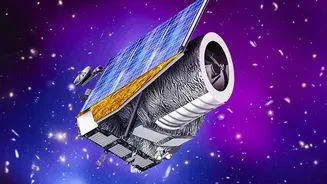
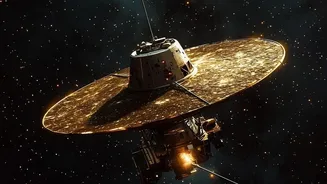
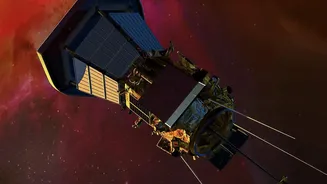
PRIMA, short for the PRobe far-Infrared Mission for Astrophysics, is designed to see the universe in a way that other powerful observatories, like the James Webb Space Telescope (JWST), cannot. While Webb specializes in near- and mid-infrared light, PRIMA will
push deeper into the far-infrared part of the spectrum. This is crucial because many of the most interesting cosmic processes are hidden behind thick clouds of dust that block visible and even near-infrared light. These are the cold, dark regions of space where stars are born, planets take shape, and galaxies evolve. By tuning into the faint heat glow that emerges from this dust, PRIMA will effectively give astronomers a new set of eyes to peer into these otherwise invisible cosmic nurseries. This mission will bridge the observational gap that currently exists between infrared space telescopes and ground-based radio telescopes.
The Science of Far-Infrared Light
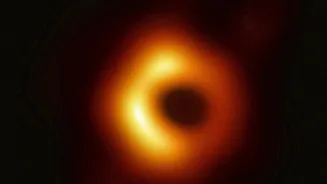
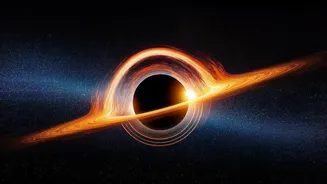
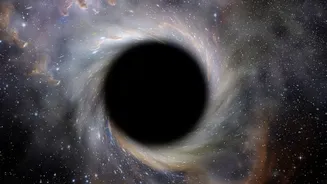
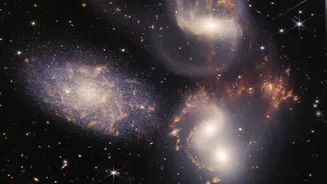
Observing in far-infrared is like having thermal vision for the cosmos. Many objects in space are too cold to shine brightly in visible light but still radiate heat that can be detected at these longer wavelengths. This is where some of the biggest questions in astronomy will find their answers. One of PRIMA's primary goals is to study the role of water in the formation of planets. Key chemical signatures for water, carbon, and oxygen exist only in the far-infrared range, meaning Webb can't see them. PRIMA will be able to trace how these essential ingredients for life move through the dusty, planet-forming disks around young stars, revealing how planets like Earth acquire them. The mission will also investigate how galaxies and the supermassive black holes at their centers grow in tandem and track the accumulation of heavy elements and dust over cosmic history.
Building on a Legacy of Discovery
PRIMA is not designed to replace JWST but to complement it, creating a more complete picture of the universe. It is the first mission in a new class called Probe Explorers, recommended by the National Academies as a way to pursue high-priority science at a more moderate cost than flagship missions like Webb. With a projected cost cap of $1.2 billion, PRIMA is part of NASA's strategy to maintain a steady cadence of major scientific missions. The telescope itself will have a 1.8-meter (5.9-foot) mirror and will be cryogenically cooled to just a few degrees above absolute zero. This extreme cold is essential to reduce the telescope's own heat signature, allowing it to detect the incredibly faint far-infrared signals from deep space.
The Road to 2033
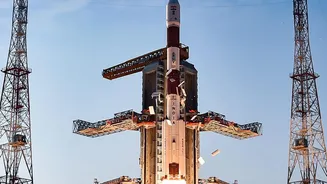
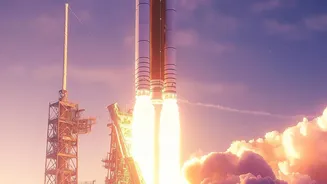
With its selection by NASA, the PRIMA mission is now moving into a development phase known as Phase B, which involves finalizing the preliminary design and technology. This is a critical step where the mission's plans, budget, and schedule will be thoroughly evaluated. If it passes this review, it will be officially confirmed for construction and implementation. NASA's Jet Propulsion Laboratory (JPL) will manage the mission, with significant contributions from Caltech and international partners. The plan is for a five-year science mission operating from the L2 Lagrange point—a gravitationally stable spot about 1.5 million kilometers from Earth, which is also home to the James Webb Space Telescope. If all goes according to plan, PRIMA will lift off in 2033, ready to begin its exploration of the cold universe.