

India's Land of the Rising Sun
Arunachal Pradesh literally translates to "land of the dawn-lit mountains," and no place embodies this more than Dong. This small, secluded village in the Anjaw district is one of the easternmost inhabited places in the country, nestled near the tri-junction
where India, China, and Myanmar meet. Its unique geographical position means it is the first place in India to be touched by the sun's rays each morning. The phenomenon, which brought the village to prominence around 1999, has made it a pilgrimage site for trekkers and astrophiles. Inhabited by the Meyor tribe, this tiny hamlet of just a few families offers a glimpse into a life deeply connected with nature, far from the rush of modern cities.
The Journey to Dong Valley
Reaching Dong is an adventure in itself, requiring planning and a spirit for exploration. The most common starting point is Dibrugarh in Assam, which has the nearest major airport. From Dibrugarh, it's a multi-day road journey. Travellers typically drive to Tezu, the last major town where one can refuel and stock up on essentials. The drive continues to Walong, the closest town to Dong and the main base for visitors. The journey from Tezu to Walong is a spectacular drive through the Lohit river gorge, offering dramatic views but requiring a reliable vehicle due to challenging road conditions. To visit Arunachal Pradesh, Indian citizens need an Inner Line Permit (ILP), which must be obtained in advance.
A Pre-Dawn Trek to the Viewpoint
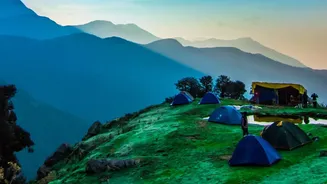
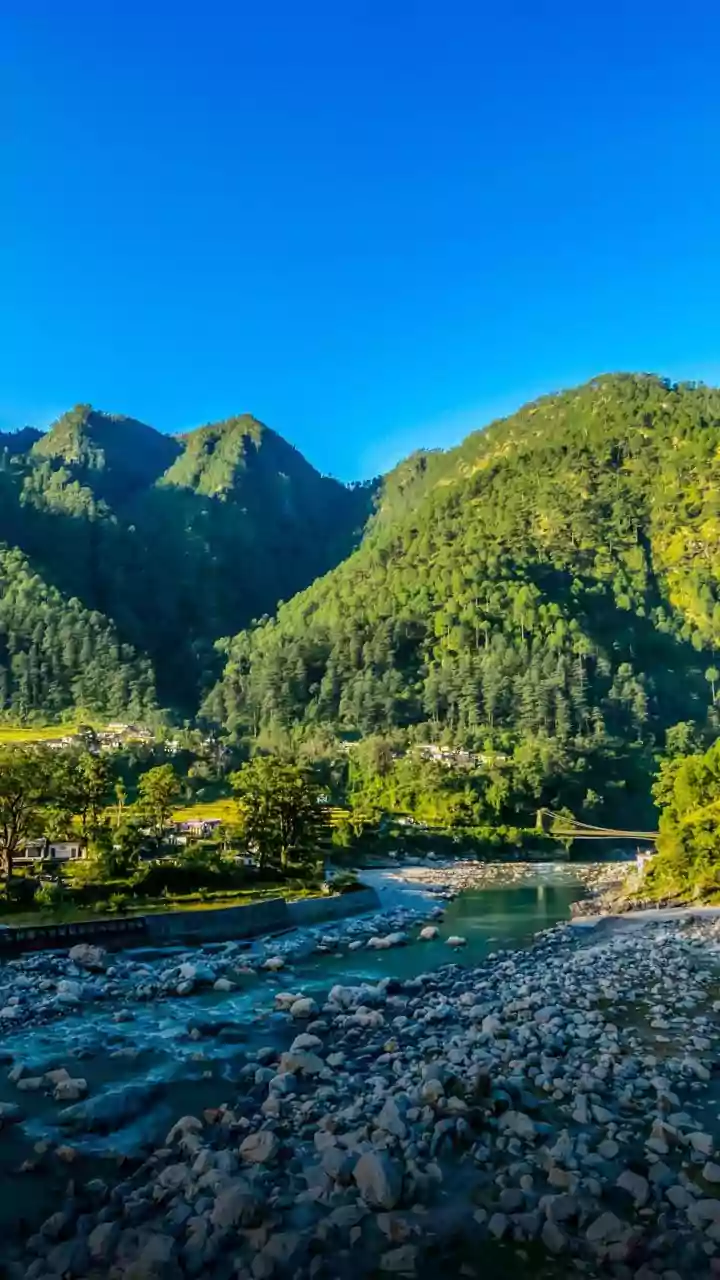
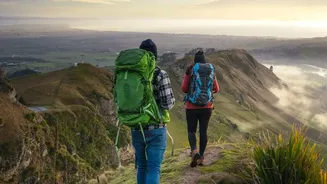
The final leg of the journey to witness the sunrise is a trek that begins in the dead of night. Trekkers typically start from Walong or the nearby hamlet of Tilam around 2 or 3 AM. After crossing a suspension bridge over the Lohit River, a trail ascends through a fragrant pine forest. The trek is moderately challenging, covering a distance of about 8 kilometres to the viewpoint and back, and takes about 90 minutes to ascend. Equipped with flashlights and warm layers, climbers navigate the dark, steep path, the anticipation building with every step. The reward for this early start is reaching a stunning meadow atop a ridge as the sky begins to transform.
The First Light: A Moment of Magic
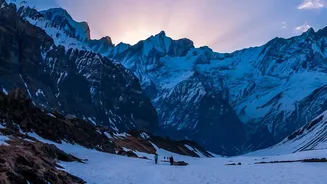
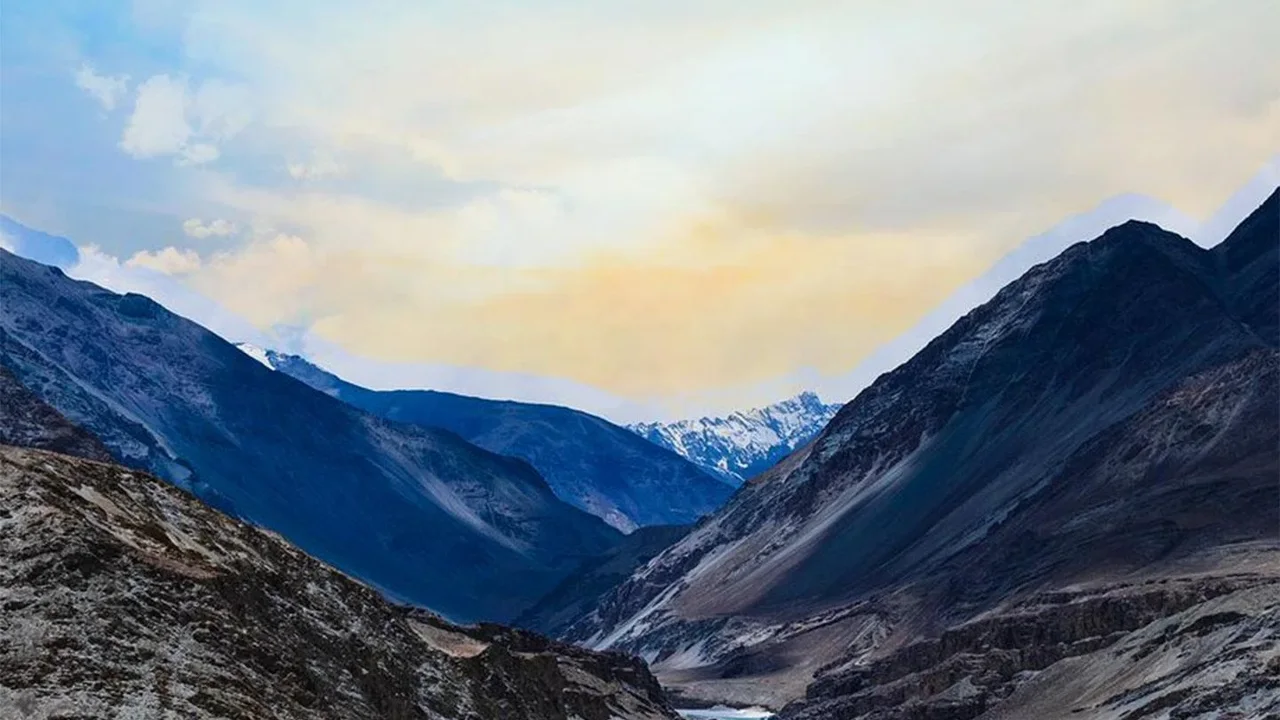
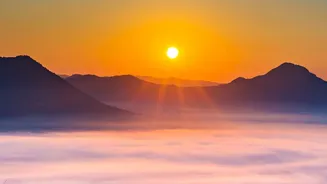
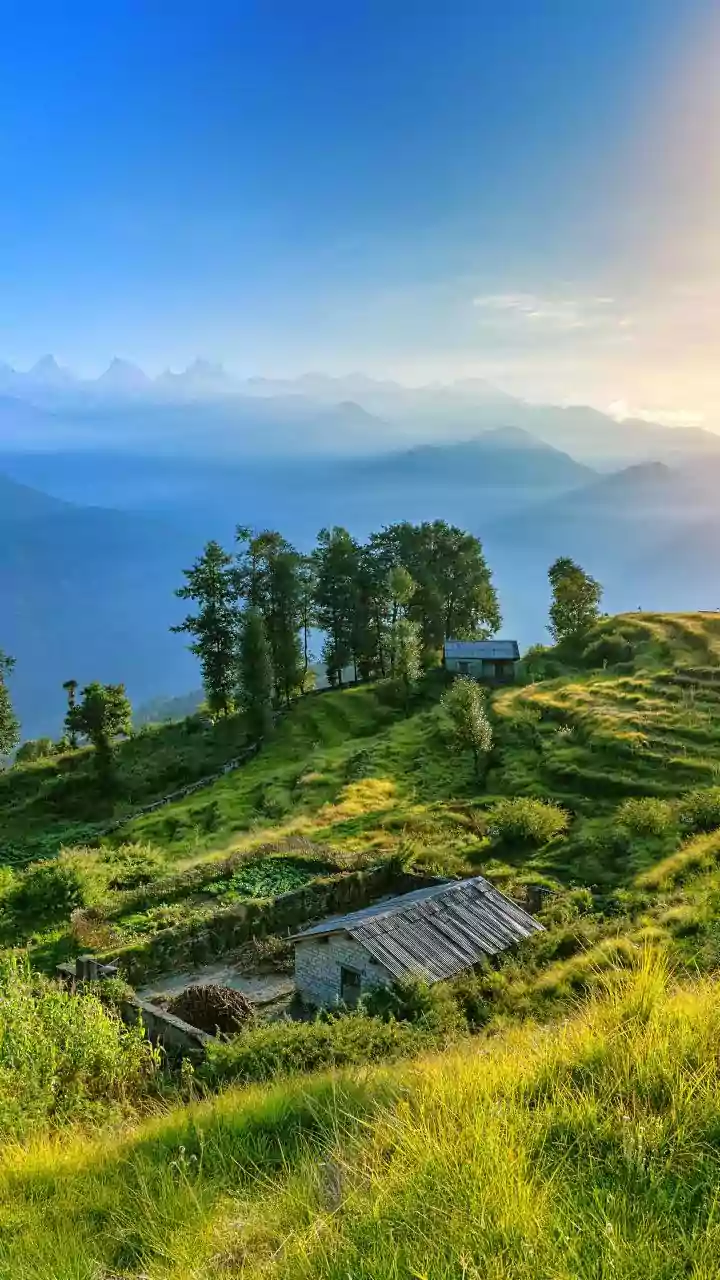
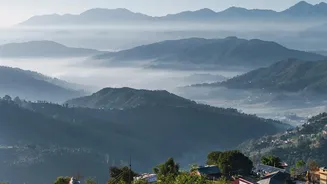
As early as 4:30 AM in the summer, the magic begins. The sky, a canvas of deep indigo, slowly bleeds into hues of pink, orange, and gold. The first rays of the sun crest over the distant Himalayan peaks, illuminating the stunning panorama of the Dong Valley and the confluence of the Lohit and Sati rivers below. The view from the top offers a breathtaking vista of mountains stretching across three countries. For those who make the journey, it's a profound experience — a moment of pure tranquillity and a powerful reminder of nature’s grandeur. It’s not just about seeing the sunrise; it’s about feeling the first warmth of a new day before anyone else in the country.
Beyond the Sunrise: Exploring Anjaw
While the sunrise is the main attraction, the Anjaw district offers much more to explore. Walong, the base for the Dong trek, holds historical significance from the 1962 Indo-China war, and a war memorial there pays tribute to the soldiers' bravery. The region is a haven for nature lovers, with pristine forests, cascading waterfalls like the Mompani Waterfall, and natural hot springs. Further exploration can take you to Kibithoo and Kaho, some of India's easternmost villages on the Line of Actual Control. The entire district is a treasure trove of untouched natural beauty and is home to the rich culture of the Mishmi and Meyor tribes, offering an authentic and immersive travel experience.