




A Treasure from Bitter Orange Blossoms
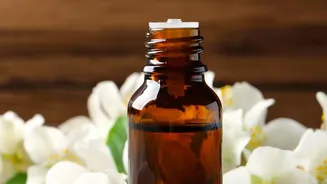
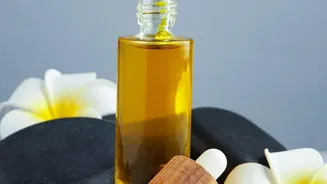
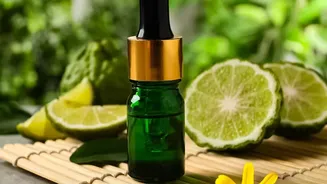
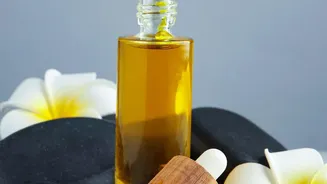
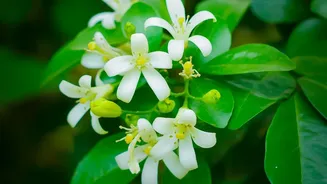
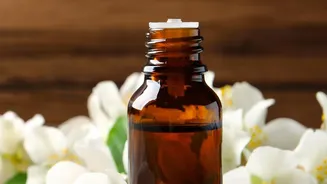
Neroli oil is the essential oil extracted from the delicate white flowers of the bitter orange tree, scientifically known as Citrus aurantium var. amara. While these trees grow in various Mediterranean climates, North African countries like Tunisia, Morocco,
and Egypt are leading producers of this prized oil. The process is incredibly labor-intensive; the blossoms are hand-picked in the spring and then quickly processed through steam distillation to capture their fragrant essence. It takes a vast quantity of flowers—sometimes up to 1,000 kilograms—to produce just one kilogram of neroli oil, which explains its long-held association with luxury. The name 'neroli' itself dates back to the 17th century, credited to an Italian princess of Nerola who famously used the essence to perfume her gloves and bathwater.
The Science of Skin Renewal
Beyond its enchanting aroma, neroli oil is a powerhouse of skincare benefits. Its composition includes bioactive compounds like linalool, limonene, and geraniol. These components give the oil potent antimicrobial, antifungal, and anti-inflammatory properties. This makes it an excellent choice for managing acne-prone skin, as it can help reduce breakouts and calm the associated redness and irritation without stripping the skin's natural moisture. Furthermore, neroli oil is celebrated for its ability to support skin cell regeneration. This regenerative quality may help improve the appearance of scars, fine lines, and uneven skin tone over time. Rich in antioxidants, it also helps protect the skin from environmental stressors and free radical damage, which are key contributors to premature aging.
An Olfactory Masterpiece in a Bottle
In the world of perfumery, neroli is a revered and versatile note. Its scent is complex and multi-faceted: simultaneously floral, citrusy, green, and slightly sweet with a honeyed warmth. Unlike the straightforward zest of orange fruit, neroli captures the entire experience of the blossom. The steam distillation process used to create neroli oil gives it a lighter, greener, and fresher character compared to orange blossom absolute, which is produced using solvents and has a richer, headier aroma. Because of its bright yet elegant profile, neroli is a cornerstone of classic Eau de Cologne formulations and is frequently used as a top or heart note in modern fragrances to provide an immediate lift and a touch of floral sophistication.
More Than Skin Deep: Aromatherapeutic Calm
The benefits of neroli oil extend to its influence on our emotional state. In aromatherapy, inhaling neroli is widely used to reduce feelings of stress and anxiety. Studies suggest that it may help the brain release serotonin and lower levels of cortisol, the body's primary stress hormone. Its calming effect on the nervous system makes it a popular choice for promoting relaxation, easing tension, and improving sleep quality. This unique ability to soothe the mind adds another layer to its appeal, bridging the gap between a physical skincare routine and a holistic sense of well-being.
How to Weave Neroli into Your Routine
Incorporating neroli into your daily life is simple. For skincare, look for it in facial oils, mists, serums, and moisturisers, often listed under its botanical name, 'Citrus Aurantium Amara Flower Oil'. It's considered gentle enough for most skin types, including sensitive and mature skin. You can also add a few drops of pure neroli essential oil to a carrier oil like jojoba or almond for a custom face or body treatment. As a fragrance, you'll find it featured in many iconic perfumes, often paired with other citrus notes, white florals, and warm base notes like sandalwood or amber. For a quick mood boost, simply inhaling its scent from the bottle or a diffuser can help instill a sense of calm during a busy day.