



More Than Just a Dark Piece of Glass
A common, dangerous misconception is that any sufficiently dark filter will do the job. Stacking multiple Neutral Density (ND) filters or using items like welder's glass might seem like a clever hack, but they are incredibly hazardous. A proper solar
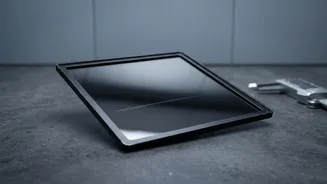
filter is an advanced optical tool designed to block 99.999% of the sun's energy. It doesn't just reduce visible light; it critically blocks the invisible but highly damaging infrared (IR) and ultraviolet (UV) radiation. Standard camera filters, including strong ND filters, are not designed to block this intense IR and UV light, which can cook your camera's sensor and cause permanent eye damage without you even feeling it.
The Twin Dangers: Your Eyes and Your Camera
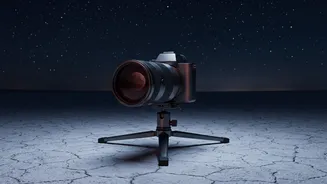
The stakes could not be higher. Using an improper filter—or no filter at all—and looking through your camera's optical viewfinder is a recipe for permanent eye damage. A telephoto lens acts like a magnifying glass, concentrating the sun's intense radiation directly onto your retina, causing solar retinopathy in an instant. The damage is often painless and irreversible. Your equipment is also at extreme risk. Concentrated sunlight can destroy your camera's sensor, melt internal components like the shutter mechanism, degrade the coatings on your lens, and even damage the autofocus sensors. This is why a certified solar filter must always be mounted on the front of the lens, blocking the energy before it even enters the optics.
Not All Solar Filters Are Created Equal
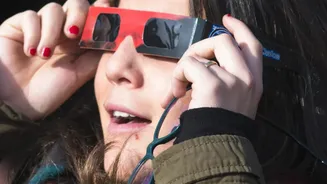
Solar filters primarily come in two types: white-light and narrowband. White-light filters are the most common for general photography, showing the sun's surface (the photosphere) and features like sunspots. They are often made from a special solar film or coated glass. Narrowband filters, such as Hydrogen-alpha (H-alpha) filters, are more specialised and expensive, designed to reveal dramatic solar flares and prominences by isolating a specific wavelength of light. For visual safety and photography, a key benchmark to look for is certification to the ISO 12312-2 international safety standard. While this standard is technically for direct, unaided viewing (like eclipse glasses), reputable manufacturers use film meeting this standard in their camera filters, ensuring they have been rigorously tested to block harmful radiation.
Why DIY Solutions Often Go Dangerously Wrong
The internet is filled with well-meaning but hazardous advice. Some suggest that a 16-stop ND filter is safe for photography. While it may dim the image enough to get an exposure, it does not guarantee protection from IR and UV radiation, posing a silent threat to your camera's sensor. Furthermore, these are not safe for looking through an optical viewfinder. Another critical mistake is using a filter that screws into the back of a telescope or lens. These rear-mounted filters are extremely dangerous because the lens has already concentrated the full force of the sun's heat onto them, which can cause them to crack or shatter, instantly exposing your eye and camera to unfiltered sunlight.
What 'Specialist Advice' Actually Means
Seeking specialist advice doesn't mean you need a degree in astrophysics. It means turning to reliable, experienced sources before you buy. Start with reputable astronomy stores and dedicated solar filter manufacturers. Their staff can guide you to a filter that is the right size, type, and secure fit for your specific telephoto lens or telescope. Experienced photographers in astronomy clubs and online forums can also offer invaluable practical advice, but always verify their recommendations against manufacturer specifications. Ask them about the differences between glass and film filters in terms of sharpness and durability, and what mounting systems work best to prevent the filter from accidentally falling off. A simple consultation can be the difference between a successful photoshoot and a costly, dangerous mistake.