




What is FSSAI's New Proposal?
The Food Safety and Standards Authority of India (FSSAI) has proposed a new amendment that would restrict products not made from milk from using the term 'paneer'. This move targets what are known as 'analogue' products. If the proposal is finalised,
any food item licensed under the 'Analogue in Dairy Context' category will have to stop using the word 'paneer' on its packaging, menus, and in marketing materials. The goal is to prevent consumers from being misled about the food they are buying, ensuring the name on the label accurately reflects the product's composition. This applies not just to packaged goods but also to hotels, restaurants, and caterers, who would need to clearly disclose when they are using a substitute.
The Rise of 'Analogue' Paneer
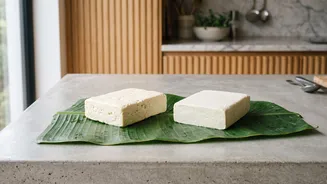
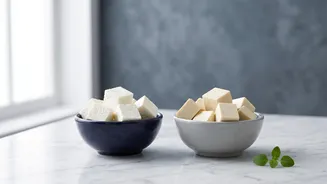
So, what exactly is this substitute? Analogue paneer is a product designed to look and feel like real paneer but is made with different ingredients. Instead of being created purely from curdled milk, it often uses cheaper components like vegetable oils (commonly palm oil), starch, skimmed milk powder, and various emulsifiers and stabilisers. The primary motivation for its production is cost. With the demand for paneer consistently high, these substitutes allow manufacturers to produce a similar-looking product for less money. However, these products are not the same nutritionally and functionally as their dairy-based counterparts. While not necessarily illegal if labelled correctly, the problem arises when they are passed off as genuine paneer to unsuspecting customers.
Real vs. Substitute: How to Tell the Difference
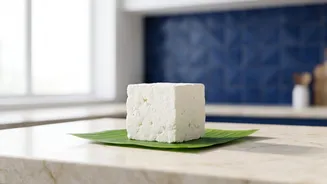
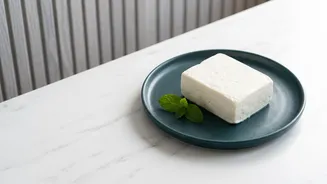
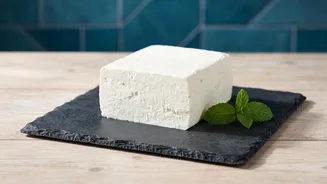
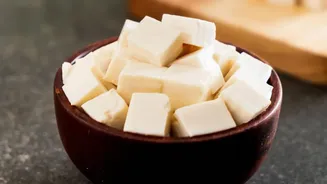
For consumers, telling the two apart can be tricky, but there are signs. Real paneer, made from milk, is soft, moist, and slightly crumbly with a fresh, milky aroma. Analogue paneer, on the other hand, often feels rubbery, unnaturally smooth, or sticky. It may have a bland, sour, or even chemical taste and little to no smell. A simple home test involves rubbing a small piece between your fingers; real paneer will crumble, while a substitute may become sticky. Another test is to boil a piece of paneer in water, let it cool, and add a drop of iodine solution. If the water turns blue-black, it indicates the presence of starch, a common filler in analogue products.
Why the Crackdown Is Happening Now
The FSSAI's focus comes amid a broader crackdown on food adulteration, which often intensifies during festive seasons when demand for milk products soars. In recent months, food safety authorities have seized and destroyed thousands of kilograms of suspected adulterated paneer across various states. Several states, including Maharashtra, Karnataka, and Telangana, have already taken action by banning or restricting the sale of analogue paneer. FSSAI's proposed nationwide regulation aims to create a uniform standard, removing the ambiguity that allows these substitutes to be sold as the real thing and ensuring consumer trust is protected.
What This Means for Consumers and Producers
For consumers, this is a significant step toward transparency. Clearer labelling empowers you to make informed choices about your health and what you're willing to pay for. Genuine paneer is a rich source of protein and calcium, while its analogue counterpart is often lower in protein and higher in unhealthy fats, offering less nutritional value. For food businesses, the proposed rule means greater accountability. Producers of analogue products will need to rebrand and clearly state their ingredients, while restaurants using these substitutes will have to update their menus. While some argue this could increase the price of genuine paneer, it ultimately ensures a fair market where you get exactly what you pay for.