
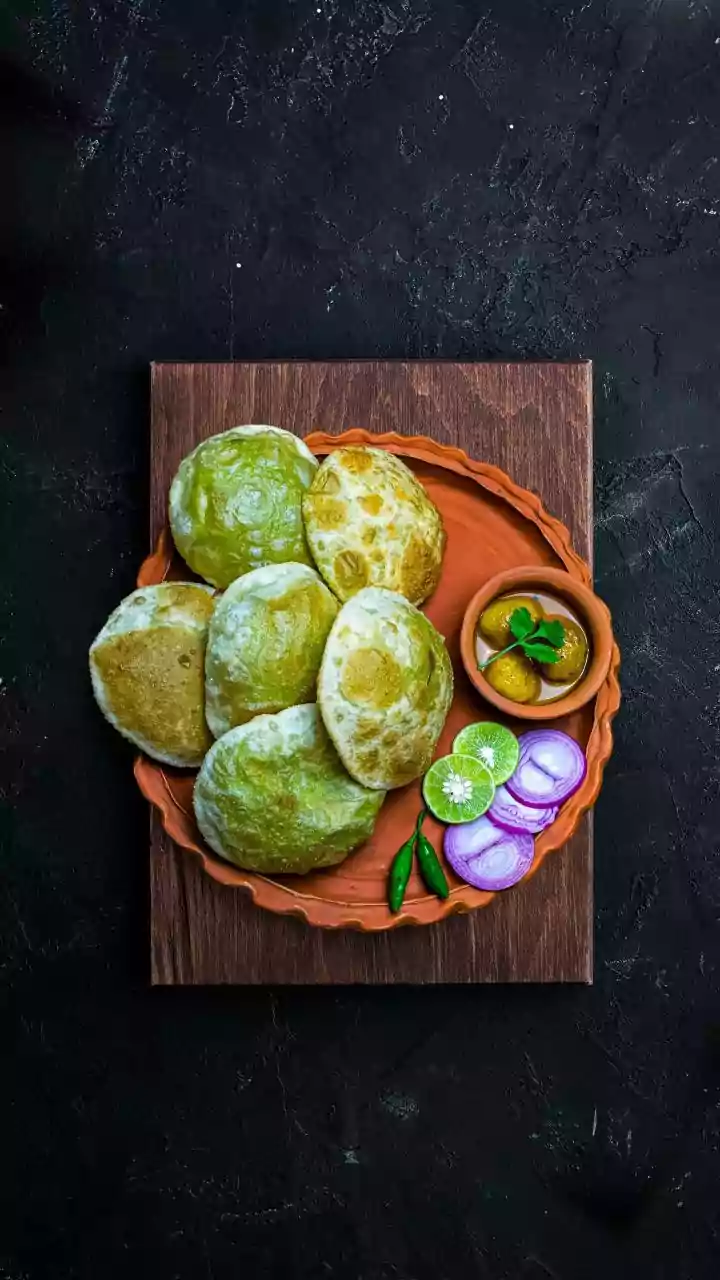





Delhi: A Bite of History in Paranthe Wali Gali
In the heart of Old Delhi lies Paranthe Wali Gali, a narrow lane that has been a culinary landmark since the 1870s. The preservation here is a story of family and tradition. The few remaining original shops, like Pt. Kanhaiyalal Durgaprasad Dixit (established
in 1875), are run by the sixth generation of the same family. The core method of preservation is sticking to the original, unique technique: deep-frying the stuffed parathas in a kadai of pure ghee instead of shallow-frying on a tawa. The recipes themselves, which notably exclude onion and garlic, have been passed down orally from father to son. By maintaining these very specific cooking methods and family-guarded recipes for fillings like spiced potato, lentils, and even unusual variants like bitter gourd, these families act as living custodians of a 150-year-old culinary legacy.
Mumbai: The Humble Origins of Vada Pav
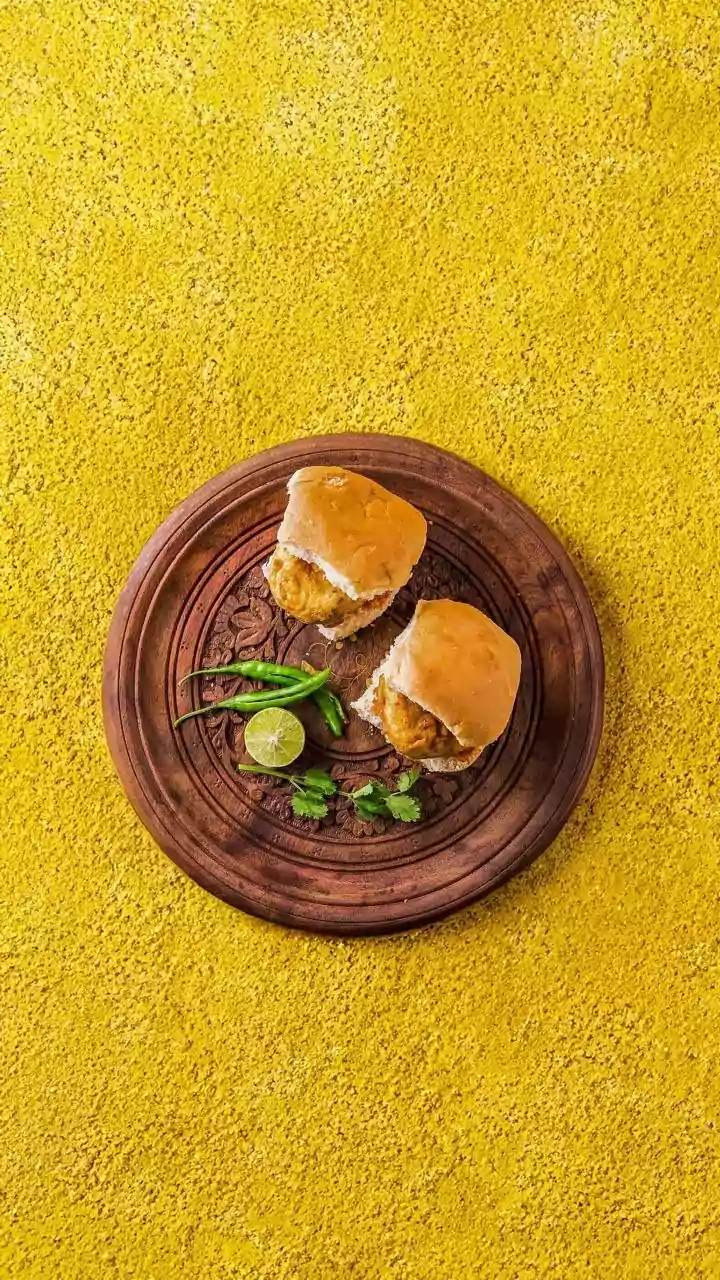
Mumbai's beloved vada pav has a history rooted in the city's working-class culture of the 1960s. Ashok Vaidya is widely credited with inventing this iconic snack in 1966, setting up a stall outside Dadar station to serve the area's many textile mill workers. It was a cheap, convenient, and filling meal. The preservation of this recipe is a tale of both family and community. After Ashok Vaidya's passing, his son Narendra took over the business, ensuring the original taste continued at the very same spot. The recipe's survival is also due to its widespread adoption. Encouraged by political movements supporting local entrepreneurship, many former mill workers opened their own vada pav stalls in the 1970s and 80s. While countless variations now exist, the core combination of a spiced potato fritter (vada) tucked inside a bread bun (pav) with chutney remains a cultural touchstone, preserved through thousands of vendors who keep the original spirit alive.
Kolkata: Dacres Lane and Its Colonial-Era Stew
Kolkata's Dacres Lane, a food paradise for over 200 years, offers a lesson in adaptation and consistency. This lane, once a hangout for British sailors, has always been a hub for affordable and hearty meals. The star of the show is Chitto Babur Dokan, an eatery established in the 1940s. Here, preservation comes from serving the same signature dishes for over half a century. Their famous Chicken Stew with a side of bread is a recipe that has been satisfying office-goers and foodies for generations. Descendants of the original owner still run the establishment, maintaining the quality and taste that made it famous. The entire lane functions as a living museum of street food, where vendors have served a dedicated clientele for decades. This loyal customer base, which expects the same authentic flavours day after day, creates a powerful incentive for vendors to preserve the original recipes without alteration.
Lucknow: The Undivided Taste of Tunday Kababi
The story of Lucknow's Tunday Kababi is a masterclass in guarding a secret recipe. The original shop was established in 1905 by Haji Murad Ali, who had only one hand. His nickname, 'Tunday', gave the eatery its name. The signature galouti kebab—a melt-in-the-mouth minced meat patty—was reputedly created for an ageing, toothless Nawab. The recipe, said to contain a secret blend of over 100 spices, is the key to its legacy. Preservation here is a fiercely guarded family secret, passed down exclusively through the male line. Even the chefs working in the kitchens are reportedly taught only parts of the process to ensure no single person outside the family can replicate the full recipe. By creating this mystique and ensuring unparalleled consistency, the family has turned a century-old kebab into a globally recognized culinary icon, proving that sometimes, the best way to preserve a recipe is to never fully reveal it.