



The Underrated Leafy Top
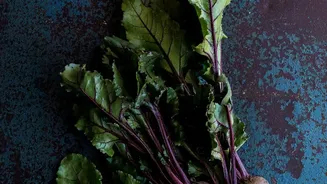
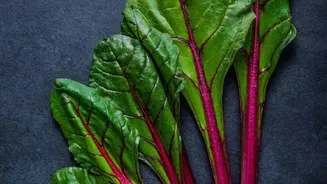
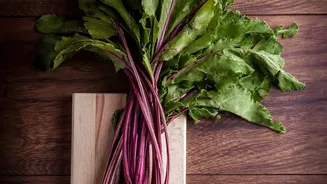
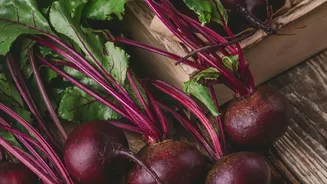
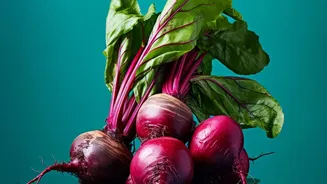
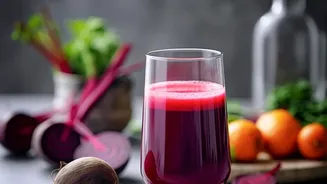
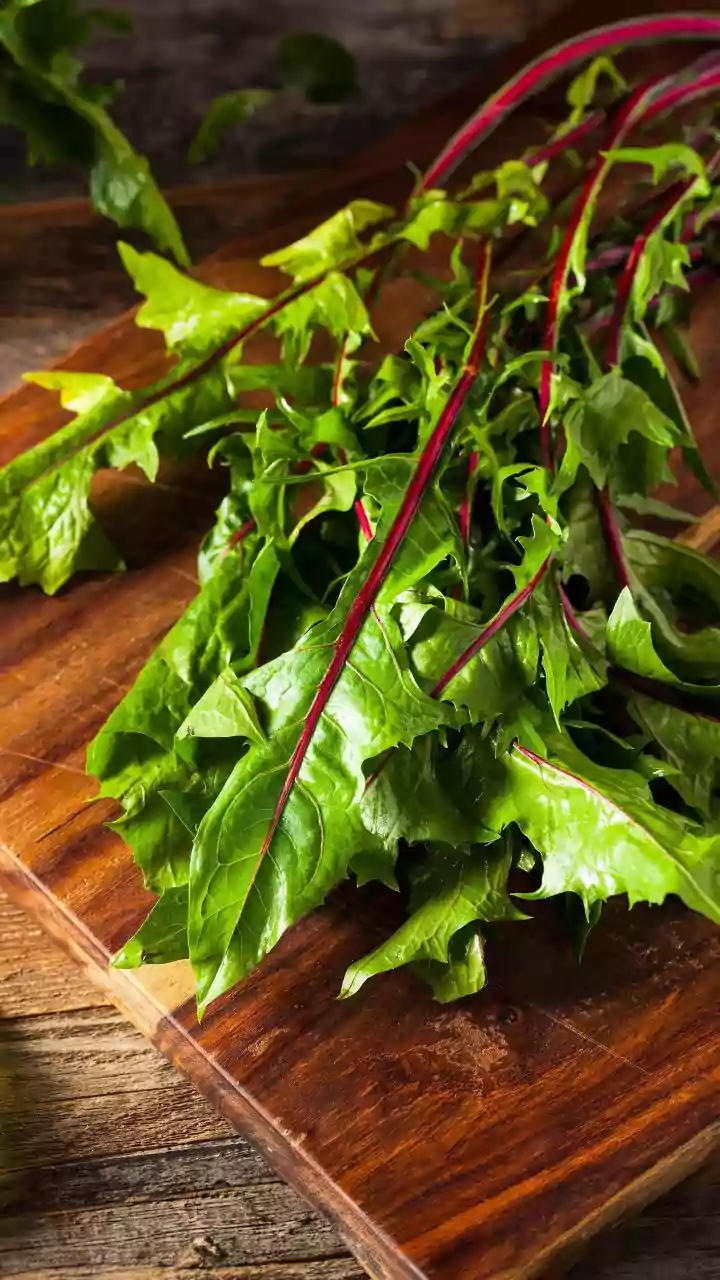
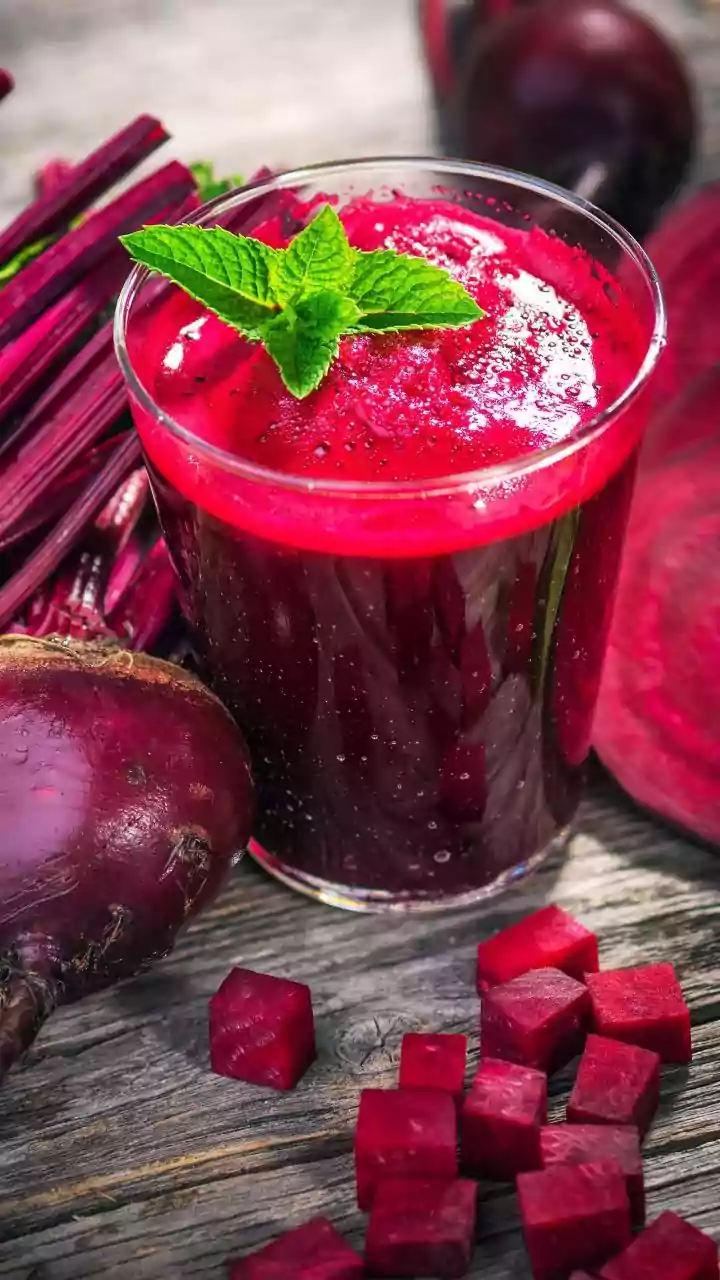
When you buy fresh beets with their foliage intact, you are getting two vegetables in one. The leaves and stems that sprout from the beetroot are not only edible but also impressively nutritious. Historically, beet leaves were consumed long before the root became
a popular food item. These greens have a flavour profile similar to chard or spinach, with a slight earthy note that hints at their connection to the root. Unlike the beetroots, the greens are tender and cook quickly, making them a versatile ingredient for simple, fast, and healthy meals. By using the whole plant, you not only get more nutritional bang for your buck but also contribute to reducing food waste in your kitchen.
A Straightforward Nutritional Profile
Without resorting to hyperbole, the nutritional statistics for beet greens are impressive on their own. They are remarkably low in calories while being dense in essential nutrients. A 100-gram serving of raw beet greens contains a significant amount of Vitamin A and is one of the most potent plant-based sources of Vitamin K. For instance, just 100 grams of raw greens can provide over 300% of the recommended daily intake for Vitamin K. They are also a good source of Vitamin C, potassium, magnesium, copper, and manganese. Furthermore, they contain valuable antioxidants like lutein and beta-carotene, which the body converts to vitamin A. They also offer a decent amount of dietary fibre and protein.
Sensible Benefits of Key Nutrients
The nutrients found in beet greens play important roles in maintaining health. The exceptionally high Vitamin K content is crucial for bone health and proper blood clotting. The abundant Vitamin A supports healthy vision, immune function, and skin. Beet greens, like other leafy greens, are also rich in naturally occurring nitrates. When consumed, the body can convert these nitrates into nitric oxide, a compound that helps relax and widen blood vessels. This process can contribute to better blood flow and cardiovascular health. It’s not a magic bullet for high blood pressure, but incorporating nitrate-rich foods like beet greens into a balanced diet can be a supportive measure for overall vascular health.
How to Choose, Store, and Prep
When shopping, look for beet greens that are crisp, fresh, and deeply coloured, avoiding any that are wilted, yellowed, or slimy. For the best longevity, separate the greens from the beetroots as soon as you get home, leaving about an inch of the stem on the root. The greens release moisture that can cause the root to soften prematurely. To store the greens, wash them thoroughly to remove any grit, dry them gently, and wrap them in a damp paper towel. Place the bundle inside a plastic bag and store it in your refrigerator's crisper drawer, where they should stay fresh for several days. When you're ready to cook, you can use both the leaves and the stems; just be aware that the stems are firmer and will require a slightly longer cooking time.
Simple Ways to Enjoy Beet Greens
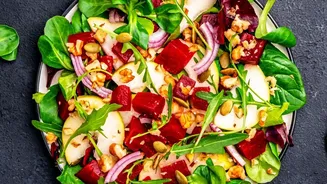
Cooking beet greens is incredibly simple, and their mild flavour makes them a great addition to many dishes. One of the most popular methods is a quick sauté. Simply heat olive oil in a pan with some minced garlic, add the chopped stems and cook for a minute, then toss in the leaves and cook until they wilt. A squeeze of lemon juice at the end brightens the flavour. You can also chop them raw and add them to salads, blend them into smoothies for a nutrient boost without a strong flavour, or stir them into soups, stews, and pastas during the last few minutes of cooking, just as you would with spinach or kale.