




The Problem with One-Size-Fits-All Advice
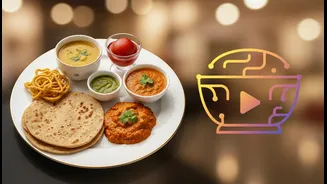
For decades, dietary guidance has felt like a top-down mandate, often based on Western food pyramids that have little relevance to the Indian plate. Nutritionists may prescribe diets that, while scientifically sound in principle, are culturally alienating.
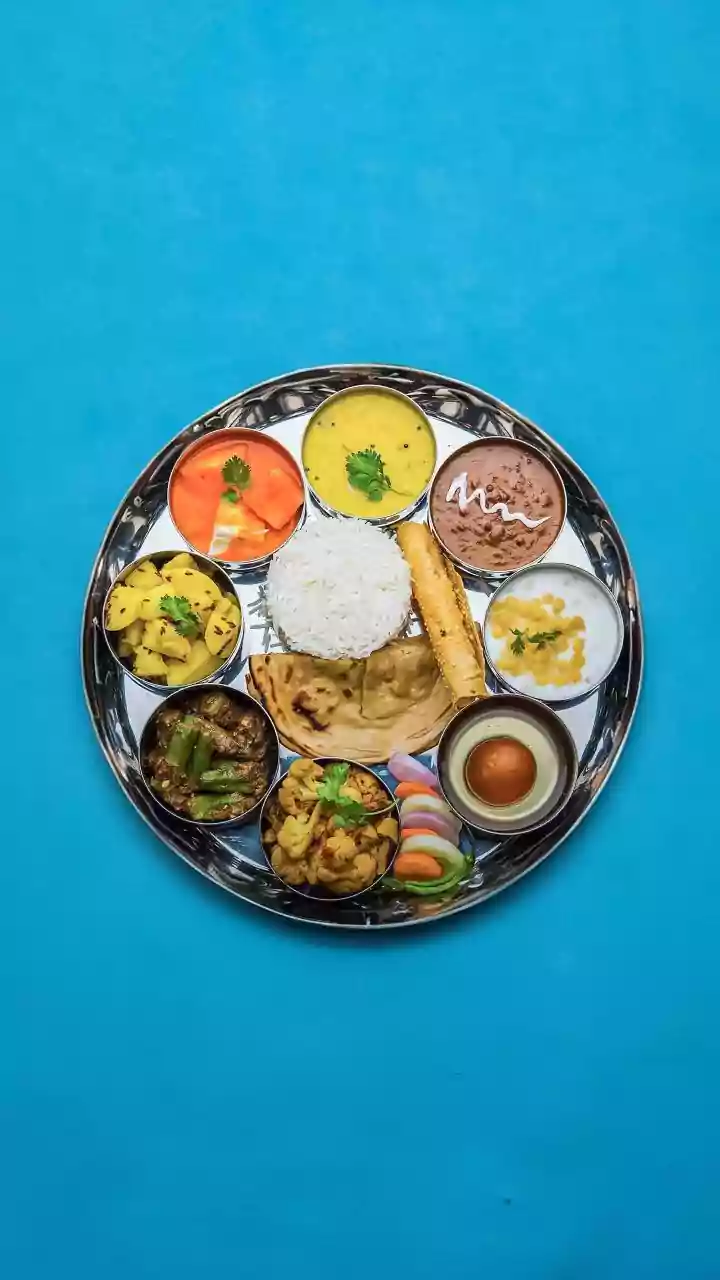
This creates a perception that healthy eating is expensive, complicated, and requires abandoning traditional foods. Studies show Indian diets are often cereal-heavy and lack sufficient protein, fruits, and vegetables. However, simply telling someone to eat more protein and less carbs is ineffective if the recommendations don't align with their daily reality, be it a Bengali's love for fish and rice or a Gujarati's reliance on dal and dhokla. This disconnect between advice and culture is a major reason why unhealthy diets are considered a leading cause of the disease burden in India.
What is Regional Diet Data?
This is where the concept of regional diet data comes in. It’s a systematic effort to move beyond broad generalisations and understand the specifics of what people across India actually eat. It involves documenting traditional recipes, cooking methods, local ingredients, and meal patterns from different states. The Indian Council of Medical Research (ICMR) and the National Institute of Nutrition (NIN) have been instrumental in this area, developing resources that map the country's food diversity. This data isn't just a list of foods; it's a nutritional treasure map. It quantifies the value of thousands of local recipes, from the protein in a bowl of sambar to the vitamins in a serving of seasonal greens (saag). By building this detailed database, experts can craft advice that is both scientifically sound and deeply familiar.
From Punjab to Kerala: A Wealth of Knowledge
India’s regional cuisines are a masterclass in balanced eating, often reflecting Ayurvedic principles of holistic wellness. A traditional Punjabi meal of Sarson da Saag and Makki di Roti, for example, combines nutrient-dense mustard leaves with corn, offering a powerhouse of vitamins and fibre. In the south, the fermented batter of idli and dosa makes their nutrients more bioavailable, and when paired with lentil-and-vegetable-rich sambar, it becomes a complete protein meal. A coastal diet from Kerala or Goa incorporates heart-healthy fats from fish and coconut. A systematic review of dietary patterns in India confirms this vast regional variation, showing that diets in the North and West are quite different from those in the East and South. This diversity is not a problem to be solved but a resource to be tapped. The goal is to leverage this existing wisdom, not replace it.
The Power of Local Ingredients
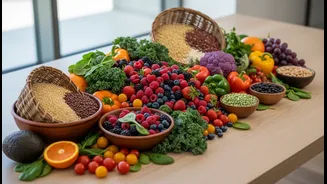
A focus on regional data helps rediscover the value of indigenous foods that are often overlooked in favour of globally marketed 'superfoods'. Millets like jowar, bajra, and ragi, once staples across the country, are making a comeback for being high in fibre and nutrients. Local vegetables like moringa (drumstick leaves), jackfruit, and a vast array of gourds and greens are packed with vitamins and minerals, often more so than their expensive, imported counterparts. The latest dietary guidelines for Indians by ICMR-NIN encourage the consumption of a variety of foods, with a special emphasis on vegetables, legumes, and local produce. By promoting these affordable and accessible ingredients, culturally relevant advice can also tackle issues of food security and economic sustainability, making healthy eating a viable option for everyone, not just the wealthy.
How It Can Change Your Nutrition Plan
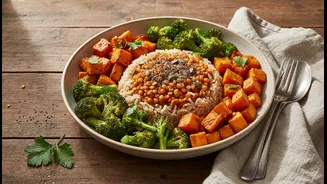
The practical application of this approach is transformative. Imagine visiting a dietitian who, instead of handing you a generic chart, works with you to adapt your favourite meals. For someone with diabetes, it wouldn't be about banning rice, but about portion control, pairing it with more fibre and protein from dal and sabzi, and incorporating millets. For a person with high blood pressure, the advice might focus on using traditional spices and herbs to flavour food instead of excess salt. This culture-centered approach is about making small, sustainable changes within a familiar framework. It respects personal history and culinary heritage, which dramatically improves the chances of long-term adherence and success. It’s a shift from a restrictive mindset of “don’t eat that” to an empowering one of “here’s how you can enjoy your food and stay healthy.”