
Punnamada: The Grand Stage of Speed
When people picture a high-octane snake boat race, they are often imagining Punnamada Lake in Alappuzha. This vast backwater expanse is the home of the Nehru Trophy Boat Race, the most famous and commercialized event in the Vallam Kali calendar. Held
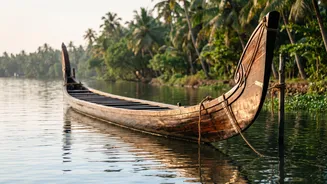
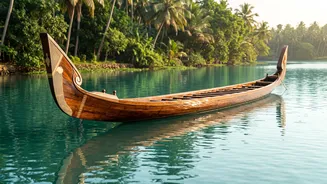
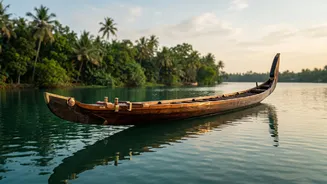
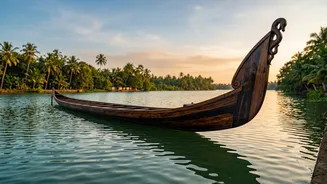
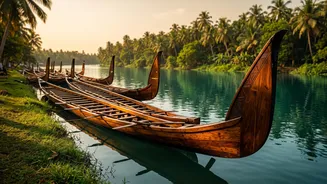
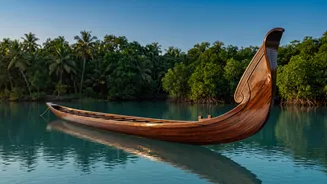
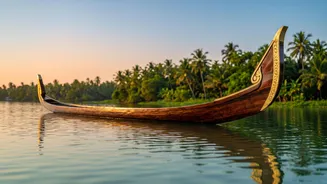
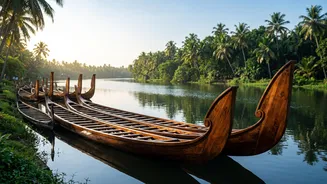
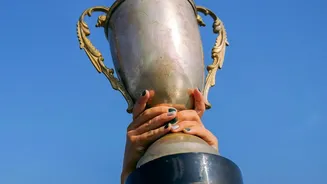
on the second Saturday of August, it transforms the lake into a natural stadium, attracting over two lakh spectators, including international tourists. The atmosphere here is electric and fiercely competitive. This race is less a ritual and more a modern sporting spectacle, the crown jewel of the professional Champions Boat League (CBL), often dubbed the "IPL of the backwaters." The focus is on velocity, precision, and the glory of lifting the coveted silver trophy first donated by Prime Minister Jawaharlal Nehru in 1952. For the boat clubs and the hundreds of rowers in each 100-foot-long Chundan Vallam, winning at Punnamada is the ultimate badge of honour.
Pampa: The Sacred River of Ritual
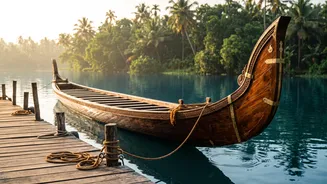
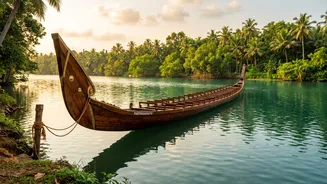
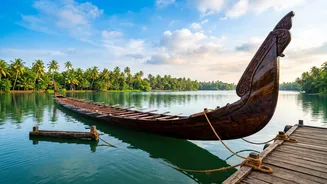
If Punnamada is about sporting glory, the Pampa River is the cradle of tradition. The races held here, particularly the Aranmula Uthrittathi Vallamkali, are deeply intertwined with history and faith. The Aranmula race is considered the oldest river boat festival in Kerala and is more a religious procession than a contest of speed. It commemorates the legend of a deity's idol being transported to the Aranmula Parthasarathy Temple. The magnificent snake boats used here, called Palliyodams, are revered as divine vessels belonging to the temple. Here, the emphasis is on synchronized, graceful rowing to the rhythm of devotional songs (Vanchipattu), showcasing discipline and heritage over a frantic race to a finish line. Other significant traditional races, like the Champakulam Moolam Boat Race, also find their home on the historic Pampa, kicking off the boat race season each year.
Two Venues, One Fierce Spirit
Despite their differences, the events on both Punnamada and Pampa are fueled by the same powerful force: immense local pride. These are not corporate-sponsored teams but boats representing entire villages. For months, communities pour their hearts, energy, and finances into preparing for the races. A victory, whether on the commercial stage of Punnamada or the sacred stretch of the Pampa, brings unparalleled honour to a village. The rowers, often local farmers and fishermen, train relentlessly, driven by a desire to uphold their club's legacy. The rhythmic chants and the perfectly synchronized motion of a hundred oars are a testament to a collective spirit that transcends the individual. This shared passion for teamwork and the preservation of a centuries-old tradition is the common thread that weaves through all of Kerala's boat races, regardless of the venue.
A Wider Network of Waterways
While Punnamada and Pampa are the most celebrated, they are just two hubs in a sprawling network of Onam-season races. Alappuzha district alone, known as the 'Venice of the East', hosts numerous events on its interconnected system of lakes, canals, and rivers. The Champions Boat League includes races in various locations like Karuvatta, Kainakary, and Pulinkunnu, each with its own local character and passionate following. Other events like the Payippad Boat Race in Alappuzha and the Kallada Boat Race in Kollam contribute to a season-long festival of water sports that engulfs the region from July to September. This vibrant ecosystem shows that Vallam Kali is not a singular event but a living, breathing culture that thrives across the diverse waterways of 'God's Own Country', each contributing to the rich tapestry of the Onam festivities.