





From 'Last' to 'First': A Symbolic Shift
For decades, a sign at the entrance to Mana in Uttarakhand proudly declared it 'The Last Indian Village'. Situated just a few kilometres from the Badrinath shrine at an altitude of over 3,200 metres, it was the final inhabited settlement before the border
with Tibet. This designation gave it a certain mystique, a geographical and cultural endpoint. However, a recent government initiative has rebranded it, with a new signboard now welcoming visitors to the 'First Indian Village'. This change, championed as part of a vision to revitalise border areas, is more than just symbolic. It reframes Mana not as a remote outpost, but as a gateway to the nation, a place of primary importance. This shift in perspective has ignited fresh interest, placing the village at the centre of a new tourism narrative.
The 'Vibrant Villages' Impetus
The new identity is backed by the central government's 'Vibrant Villages Programme', a scheme designed to develop infrastructure and create economic opportunities in border regions to curb out-migration. Under this programme, 51 villages in Uttarakhand, including Mana, have been identified for comprehensive development. The focus is on improving all-weather road connectivity, providing reliable electricity and internet, and promoting tourism as a key driver of the local economy. This concerted push aims to transform these once-neglected areas into self-reliant and thriving communities, integrating them more deeply into the national fabric while bolstering security.
An Economic Lifeline for Locals
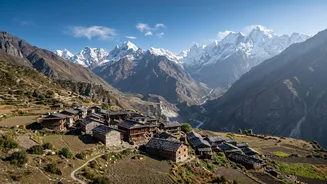
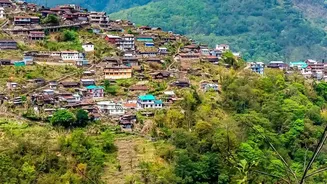
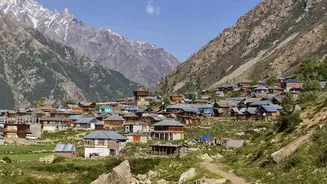
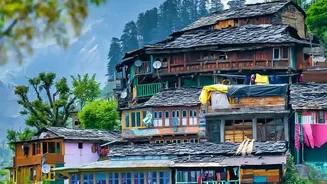
The surge in tourism has been an economic game-changer for the residents of Mana, who primarily belong to the Bhotiya community. Traditionally, their livelihood was tied to trans-Himalayan trade with Tibet, a practice that ended after the 1962 war. In recent years, the community has adapted, with many families earning income through agriculture and selling handcrafted woollen garments. The tourism boom has created new avenues. Many of the village's distinct stone-and-wood houses have been converted into homestays and shops, catering to the growing influx of visitors. Women, in particular, are finding new economic independence by selling handmade woollen clothes and local artefacts, directly benefiting from the tourist footfall.
A Double-Edged Sword
While the economic benefits are undeniable, the rapid increase in tourism presents significant challenges. The fragile Himalayan ecosystem is under immense pressure. Reports have highlighted issues with waste management, with instances of tourists littering in the sacred Saraswati River, which originates nearby. The strain on natural resources, from water to firewood for local eateries, is a growing concern. There is a delicate balance to be struck between commercialisation and preservation. The very cultural fabric that makes Mana unique—its mythology linked to the Mahabharata, the serene Vyas and Ganesh caves, and the traditional lifestyle of the Bhotiya people—is at risk of being diluted by poorly managed, high-volume tourism.
The Path to Sustainable Tourism
The future of Mana hinges on adopting a sustainable approach. This involves more than just managing waste; it requires a conscious effort to protect the village's cultural and natural heritage. Promoting responsible tourism practices among visitors is crucial. For the local community, the goal is to create a tourism model that provides stable livelihoods without sacrificing the environment or their unique identity. This could involve promoting longer stays, developing niche trekking and cultural tourism that goes beyond the quick pilgrimage stopover, and ensuring that the economic benefits are distributed equitably. The journey from 'last' to 'first' village has put Mana on the map, but the journey to becoming a model for sustainable Himalayan tourism is just beginning.