







Beyond the Golden Triangle
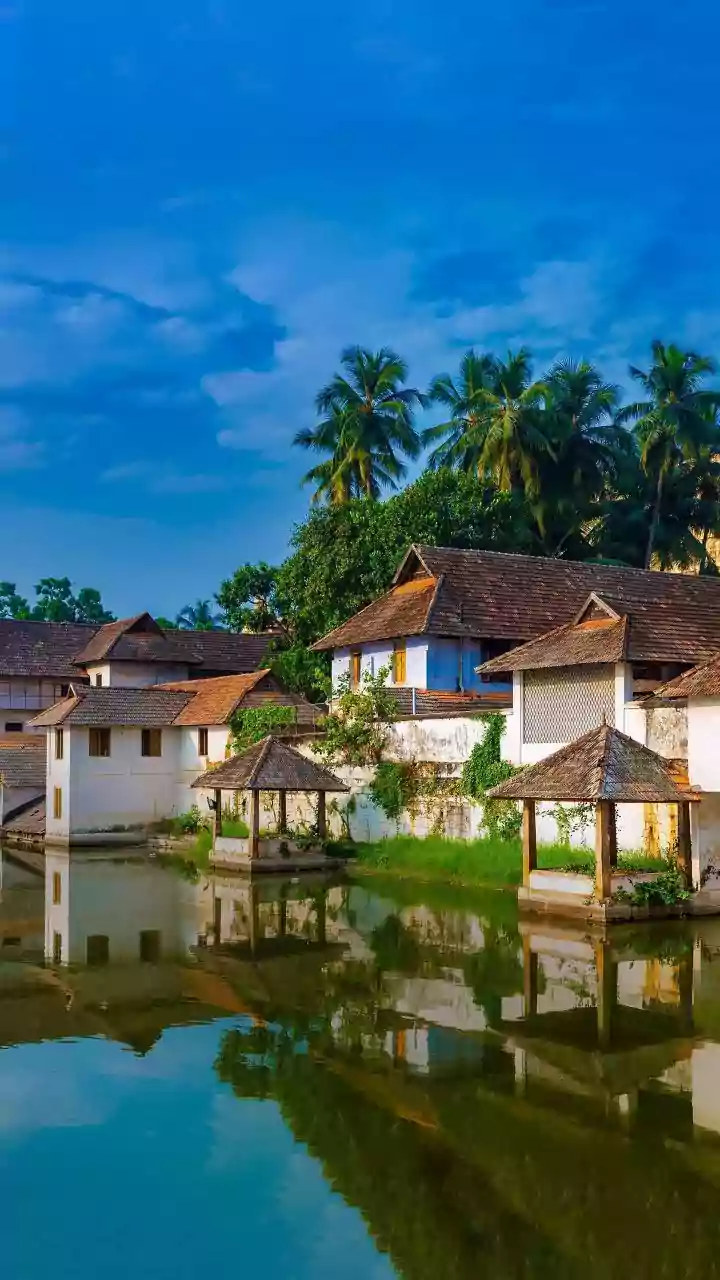
For many domestic and international travellers, exploring India has historically revolved around a few well-trodden paths. Destinations like the Golden Triangle (Delhi-Agra-Jaipur), the beaches of Goa, or the backwaters of Kerala have long dominated itineraries.
This concentration, while beneficial for these specific hubs, left vast swathes of the country's diverse cultural and natural heritage under-explored. The result was a tourism economy heavily skewed towards a handful of major cities and states, limiting economic benefits and creating immense pressure on the infrastructure of these popular locations. Travellers wanting to venture further often faced long, arduous journeys, a lack of quality transport, and unpredictable travel times, effectively keeping many potential destinations off the mainstream tourist map.
The Infrastructure Game-Changer
A quiet revolution in connectivity is actively dismantling these old barriers. This transformation is advancing on three major fronts: roads, railways, and air travel. Expansive new expressways like the Delhi-Mumbai Expressway and the Samruddhi Mahamarg are not just cutting travel time but are creating dedicated 'tourism corridors'. These corridors now link clusters of heritage, wildlife, and pilgrimage sites, making multi-destination road trips more practical than ever before. In parallel, the rapidly expanding Vande Bharat Express network is reshaping rail travel. With over 80 operational routes as of mid-2026, these high-speed trains have drastically improved access to key pilgrimage and heritage towns like Ayodhya, Tirupati, and Khajuraho. Rounding out this trio is the UDAN scheme, which focuses on regional air connectivity. By operationalising hundreds of routes to previously underserved Tier-2 and Tier-3 cities, the scheme is making remote areas in the Himalayas and the Northeast far more accessible.
Following the Economic Ripple Effect
This newfound ease of access is doing more than just saving travellers time; it is fundamentally rerouting the flow of tourist spending across the nation. When a town becomes a few hours' drive away instead of an overnight ordeal, it encourages weekend trips and longer stays. This translates directly into revenue for local economies. Reports indicate that improved connectivity is a key driver of increased tourist footfall in emerging destinations, creating fresh economic opportunities for local communities, hospitality businesses, and entrepreneurs. This is visible in the data, with hotel occupancy rates rising significantly across the country and branded hotels expanding into Tier-2 and Tier-3 cities to meet growing demand. As travellers venture into these new regions, their spending on accommodation, food, local handicrafts, and guide services provides a direct economic injection, fostering a more distributed and inclusive model of tourism growth.
New Stars on the Tourist Map
The impact of this connectivity push is already creating a new constellation of tourist hotspots. Spiritual tourism, in particular, has seen a major boost. Destinations like Varanasi and Ayodhya are now easily accessible via Vande Bharat trains, drawing in pilgrims and cultural tourists alike. Expressways are enabling new circuits; the Bundelkhand Expressway, for example, now connects Khajuraho, Orchha, and Chitrakoot into a single, manageable itinerary. Beyond the mainland, regions that were once considered remote are entering the mainstream. The UDAN scheme has been credited with opening up the Northeast, with states seeing a surge in interest and investment from major hospitality brands. This dispersal is also changing the nature of travel, with demand broadening beyond leisure to include wellness, wildlife, and rural tourism, as travellers seek more authentic and less crowded experiences.
The Road Ahead and Its Challenges
While the promise of this new era of tourism is immense, it also comes with significant responsibilities. As new destinations become popular, the risk of unchecked development and over-tourism looms large. The very charm that makes these places attractive—their pristine nature and unique local culture—could be threatened without careful planning. Ensuring sustainable growth that protects the environment and benefits the local community is a critical challenge. Another hurdle is the need for skilled human resources. As hotels and tourism-related businesses spring up in these emerging areas, the demand for trained staff often outpaces supply. Bridging this skills gap through targeted training and development will be essential to delivering high-quality visitor experiences and ensuring the long-term success of these new tourism economies.