





A Taste of Tradition and Mythology
Homemade white butter, or safed makhan, is more than just a food; it's a taste of nostalgia and a cornerstone of Indian culinary heritage. For generations, the process of making butter was a daily ritual in many households. It involved skimming the thick
cream, or malai, from boiled milk over several days and churning it until soft, pale clouds of butter separated from the thin buttermilk. This fresh, unsalted fat has deep cultural roots, known as 'loni' in Maharashtra and 'vennai' in Tamil Nadu. Its significance is also woven into mythology, most famously through the stories of Lord Krishna, who was endearingly called 'makhan chor' or the butter thief for his love of it. This connection makes white butter a cherished offering during festivals like Janmashtami, symbolizing purity and selfless devotion.
White vs. Yellow: What's the Difference?
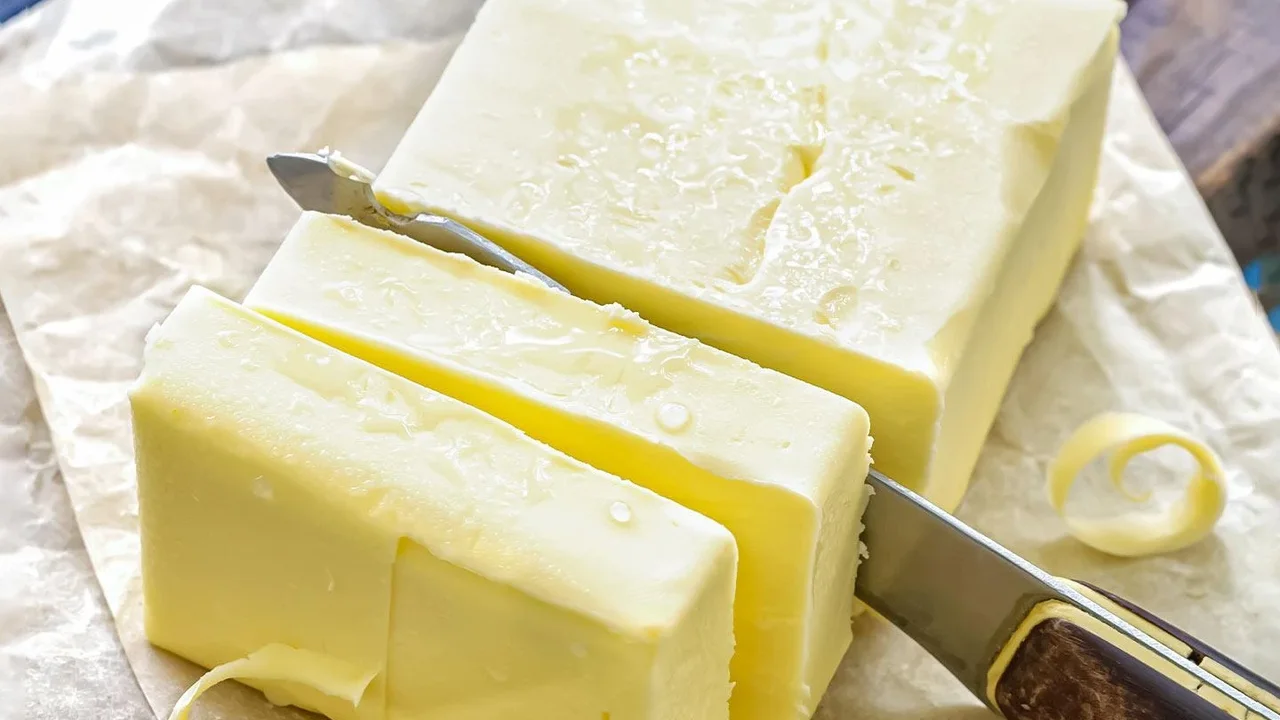
The most obvious difference is color, which comes down to the cow's diet. Yellow butter is typically derived from cows that graze on fresh green grass, which is rich in a pigment called beta-carotene. White butter, on the other hand, often comes from the milk of buffalo or cows fed on grains and hay, which contain less beta-carotene. Beyond color, there are other distinctions. Homemade white butter is unprocessed, unsalted, and free of preservatives. Commercial yellow butter is usually pasteurized and often contains added salt and sometimes colorings. While both are sources of fat and should be consumed in moderation, white butter is often favored for its milder, fresher taste and simpler composition.
Step 1: Collecting the Cream (Malai)
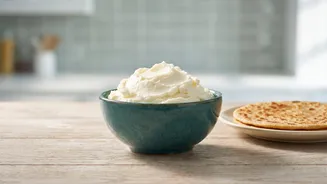
The journey to delicious homemade butter begins with collecting high-quality cream. The traditional Indian method involves boiling full-fat milk, allowing it to cool completely, and then refrigerating it for several hours or overnight. This process causes a thick layer of cream, or malai, to form on the surface. Carefully skim this layer off with a spoon and collect it in an airtight container. Store this container in the freezer. Continue collecting the malai over several days—anywhere from a week to two weeks—until you have a sufficient amount, typically at least two to three cups. Alternatively, you can use store-bought heavy cream or whipping cream with a high fat content (at least 35%) as a convenient shortcut.
Step 2: The Churning Process
Once you have enough cream, it's time to churn. If using frozen malai, let it thaw to room temperature first. You can use a stand mixer, a food processor, a blender, or even a simple jar with a tight lid. Pour the cream into your chosen vessel. Begin to blend or shake it. For the first few minutes, the cream will thicken and transform into a texture resembling whipped cream. Keep going. After about 5 to 10 minutes of continuous mixing, you will witness the magic: the cream will suddenly curdle and separate into two distinct components—solid lumps of butter and a thin, watery liquid. This liquid is buttermilk.
Step 3: Separating and Washing the Butter
To help the butter solids firm up and separate more easily, add a cup of ice-cold water or a few ice cubes to the mixture and pulse the blender a few more times. The cold temperature helps the fat clump together. Once the separation is clear, pour the mixture through a strainer to separate the solid butter from the liquid buttermilk. Gently press the butter solids with a spatula or your hands to squeeze out any remaining buttermilk. It's important to 'wash' the butter by running it under cold water and kneading it until the water runs clear. This step removes residual buttermilk, which improves the butter's shelf life and prevents it from tasting sour.
Storing and Using Your Homemade Butter
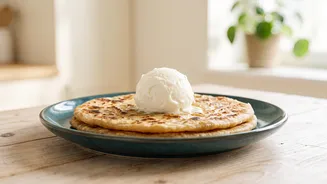
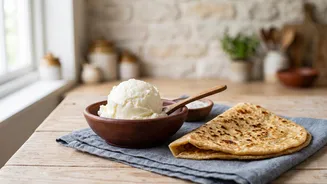
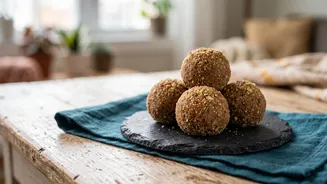
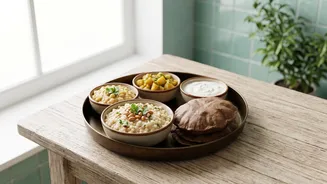
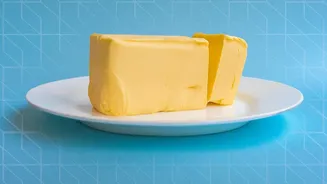
Shape the washed butter into a block or roll it into balls and store it in an airtight container in the refrigerator. For longer storage, you can keep it submerged in a bowl of water in the fridge, changing the water every couple of days. It should last for about a week. Fresh homemade butter is a versatile delight. Spread it on hot parathas, rotis, or toast. A dollop adds richness to dal, saag, and other curries. And don't discard the liquid left over from churning! This is fresh buttermilk, or 'chaas,' which can be enjoyed as a refreshing drink with a pinch of salt and spices, or used in baking recipes.