






What Does Plant-Forward Mean?
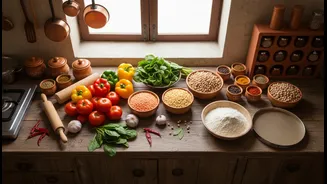
You may have heard the term “plant-forward” and assumed it means becoming strictly vegetarian or vegan. However, the concept is much more flexible. Plant-forward eating is a style of cooking and eating that emphasizes and celebrates plant-based foods,
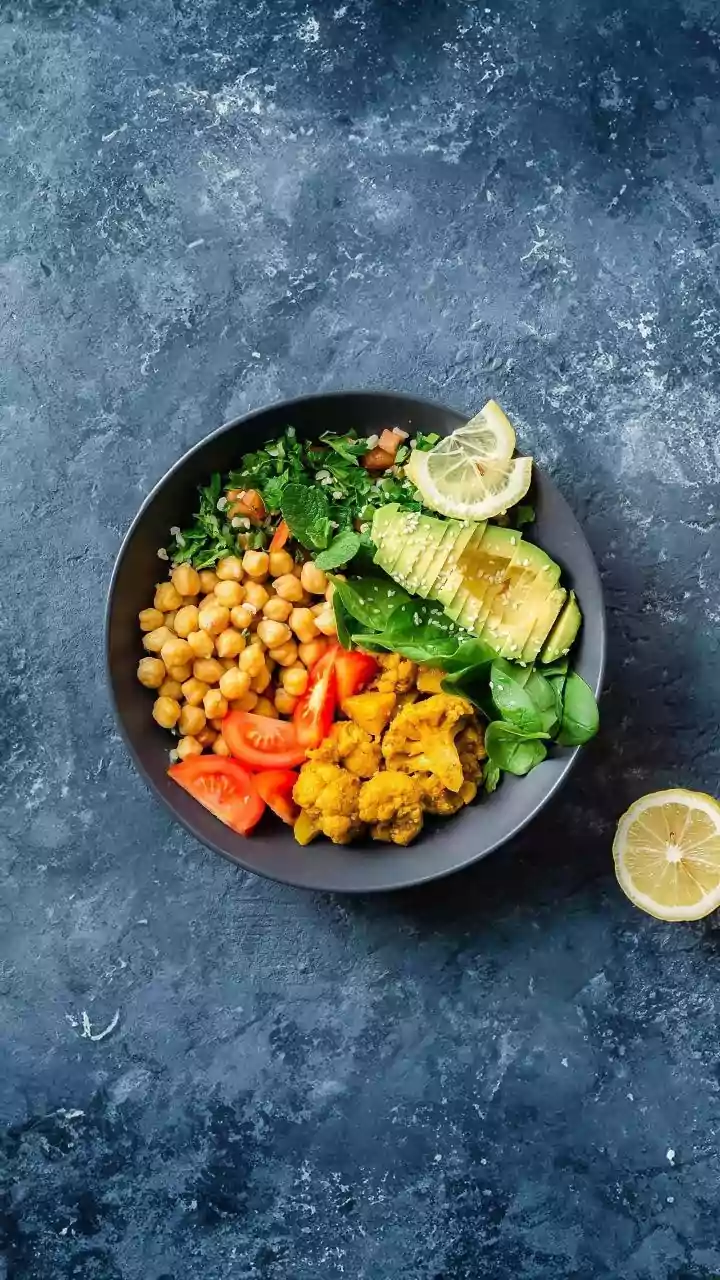
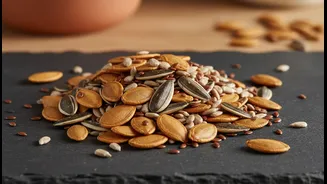
but doesn't necessarily eliminate animal products. It’s about making plants the star of your plate, with meat, dairy, or eggs playing a smaller role. This approach focuses on incorporating more vegetables, fruits, whole grains, nuts, seeds, and legumes into your diet. The goal is gradual change, not an overnight reinvention of your eating habits. It’s about adding more of the good stuff, which can lead to numerous health benefits, including lower risks for a range of chronic conditions.
The Power of a Savoury Morning Meal
In many parts of India, breakfast has always been a savoury affair, a tradition that aligns perfectly with modern nutritional wisdom. Unlike sugary cereals or pastries that can cause a spike and subsequent crash in blood sugar, a savoury breakfast rich in protein and fibre provides a slow, sustained release of energy. This helps keep you feeling full and satisfied for longer, reducing the urge to snack on less healthy options before lunch. Starting your day with a balanced, savoury meal can stabilise blood sugar levels, which is key for maintaining a good mood, hormonal balance, and consistent energy throughout the morning. It also supports gut health by feeding good bacteria with essential fibre.
Your Favourite Breakfasts, Already Plant-Forward
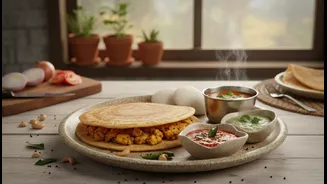
The best part about shifting to a plant-forward breakfast is that many beloved Indian dishes already fit the bill or require only minor tweaks. Take poha, for instance. This flattened rice dish, tempered with mustard seeds, curry leaves, and loaded with onions and sometimes peas, is naturally plant-based. Similarly, upma, a savoury porridge made from semolina (sooji) and packed with vegetables, is another classic that puts plants at the forefront. South Indian staples like idli and dosa, made from fermented rice and lentil batter, are perfect examples. When served with sambar, a hearty lentil-vegetable stew, and coconut chutney, they create a complete, plant-powered meal. Even the humble paratha can be made plant-forward by using oil instead of ghee and stuffing it with spiced potatoes (aloo), cauliflower (gobi), or lentils.
Exploring New Savoury Ideas
Once you get comfortable, you can explore other savoury options. Besan chilla, a savoury pancake made from gram flour (besan), is a high-protein option that comes together in minutes. You can customize it by adding chopped onions, tomatoes, and coriander to the batter. Moong dal chilla, made from split green gram lentils, is another protein-packed pancake that is naturally vegan and incredibly filling. For a modern twist on a classic, tofu bhurji offers a scramble-like texture and is a great way to incorporate plant-based protein. Crumbled tofu is cooked with onions, tomatoes, and spices like turmeric for a flavourful and satisfying dish that rivals its egg-based counterpart. Even something as simple as savoury oats, cooked upma-style with Indian spices and vegetables, can be a warm and comforting start to the day.
Simple Swaps for a Greener Plate
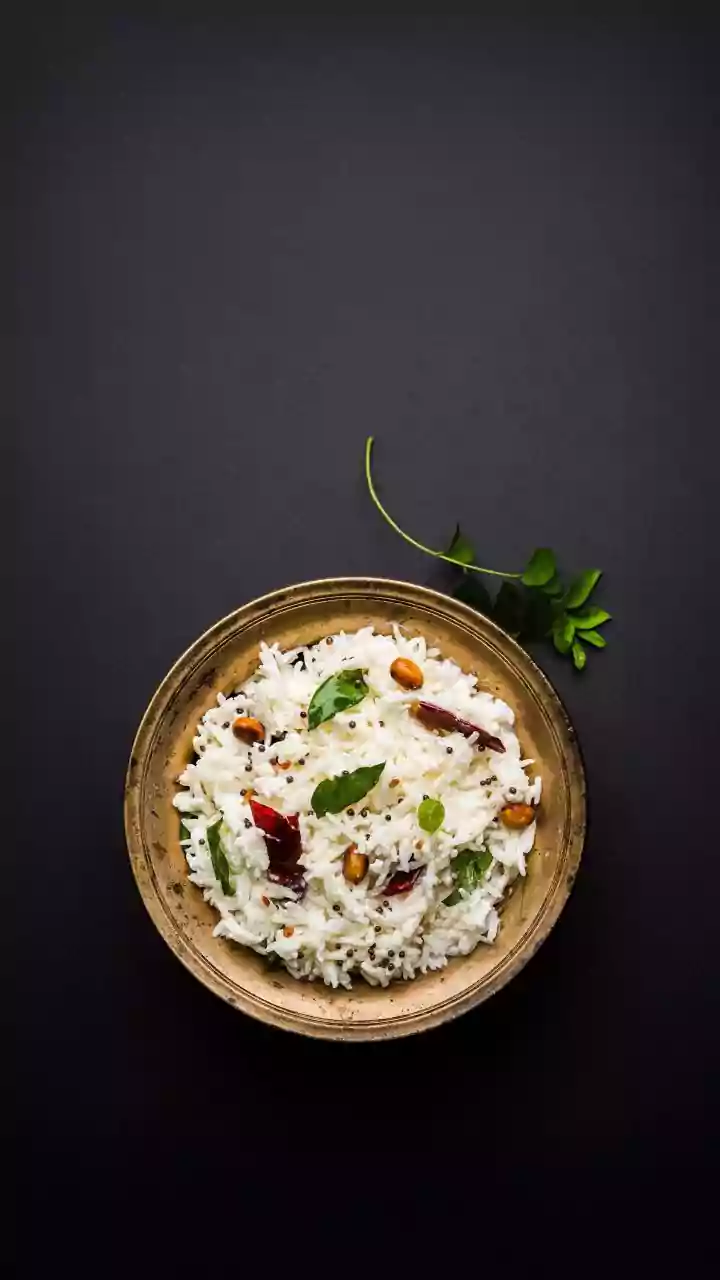
Making your breakfast more plant-forward can be as easy as making a few simple substitutions. If a recipe calls for ghee, try using a neutral vegetable oil or coconut oil instead. When a dish is served with dairy-based curd or yogurt, look for plant-based alternatives made from peanuts, cashews, or coconut. You can also amplify the plant-based goodness of any dish by simply adding more vegetables. Toss a handful of spinach into your tofu scramble, add grated carrots to your upma, or mix in green peas with your poha. These small additions boost the fibre, vitamin, and mineral content of your meal, making it even more nutritious without sacrificing the familiar flavours you enjoy.