



Key Reopening Information
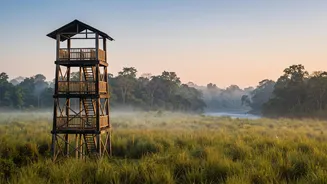
Kaziranga National Park officially began its 2026-27 tourist season on October 3, 2026. The reopening is being conducted in phases, as is typical after the heavy monsoon rains. As of early October, Jeep Safaris have resumed in two of the park's most popular
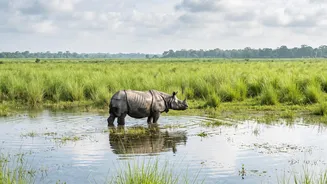
zones: the Central Range at Kohora and the Western Range at Bagori. These areas are known for their high density of the greater one-horned rhinoceros. The Eastern (Agoratoli) and Burapahar ranges are expected to open gradually as access roads become fully repaired and dried out. Tourists are advised to check the latest official announcements before planning a visit to these specific zones.
Jeep Safaris Are A Go, Elephant Safaris to Follow
For visitors arriving in October, the primary way to explore the park is via the Jeep Safari. These open-top 4x4 vehicles allow you to cover significant ground across the grasslands and wetlands. However, one of Kaziranga's other iconic experiences, the Elephant Safari, is not yet available. According to forest department officials, elephant safaris are expected to resume from November 1, 2026. This delay allows for the necessary preparations and pathway checks to ensure the safety of both the animals and tourists after the floods. Therefore, if an elephant-back ride is a must-do for your trip, it is best to plan your visit for November or later.
Safari Timings and Booking
For the 2026-27 season, Jeep Safaris are operating in two daily slots. The morning session runs from 7:30 AM to 10:00 AM, and the afternoon session is from 1:30 PM to 3:00 PM. A typical safari lasts around two hours. Due to the phased opening and high demand, it is highly recommended to book your safari permits in advance. Bookings can be made online through the official Assam government portals. While some booking may be possible on-site, securing your spot beforehand prevents disappointment, especially during the initial post-reopening rush.
The Magic of a Post-Monsoon Visit
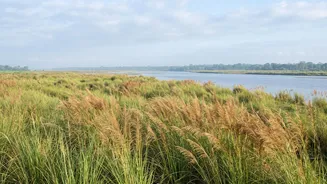
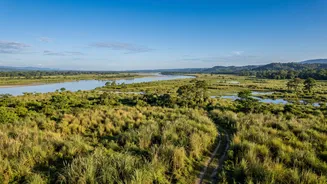
An October visit offers a unique Kaziranga experience that differs from the peak winter season. The park is exceptionally lush and green after months of rain, with water bodies, or 'beels', full to the brim. While the tall elephant grass can sometimes make sightings more challenging, the landscape is at its most vibrant. Wildlife is very active, as animals that moved to higher ground during the floods return to the floodplains. Keep an eye out for herds of Asiatic elephants, wild water buffalo, swamp deer, and, of course, the park's famous rhinos. Birdwatchers are also in for a treat, as many resident and early migratory species can be spotted.
Essential Tips for Your October Trip
To make the most of your visit, a little planning goes a long way. Book your accommodation well in advance, especially in the popular Kohora area, which provides easy access to the Central Range. For early morning safaris, carry a light jacket or shawl, as the pre-sunrise hours can be surprisingly cool inside the open vehicle. Wear neutral-coloured clothing to blend in with the natural surroundings. Most importantly, carry your original government-issued photo ID, as it is required to obtain safari permits. With the park just awakening from its monsoon slumber, patience and flexibility are key to a rewarding and unforgettable wildlife adventure.