







Understanding the Surge
First, let's understand the 'why'. Ride-hailing platforms use dynamic pricing to balance supply and demand. When more people in a specific area are requesting rides than there are drivers available, the system automatically increases fares. This price
hike, or 'surge', is designed to do two things: encourage more drivers to head to that busy area and reduce demand from riders who might choose to wait or find an alternative. This happens during peak office hours, bad weather, major public events, or even late at night when bars and restaurants close.
Timing Is Everything
One of the most effective ways to dodge surge pricing is to be strategic with your timing. If you can, try to travel just before or after peak demand. For instance, leaving the office 15 minutes earlier or later can make a significant difference. Most surges are temporary; waiting just 10-15 minutes can often be enough for prices to return to normal as demand drops or more drivers arrive in the area. Apps often show a notification when surge pricing is in effect; instead of accepting, close the app and check again after a short break.
The Power of Scheduling
Most ride-hailing apps, including Ola and Uber, have a 'Schedule Ride' or 'Reserve' feature. Using this allows you to book your cab from hours to days in advance. This can help you lock in a fare before demand spikes, making it a powerful tool for planned travel like an early morning flight or a ride home from a party. While it isn’t a perfect system and doesn’t always guarantee protection from high prices, it significantly reduces the volatility compared to on-demand booking, especially for crucial trips.
Master Your Location
Surge pricing is often hyperlocal, meaning it can be intense on one busy street corner but completely normal just a few blocks away. If you're at a very crowded spot like a metro station exit, a popular mall, or a concert venue, try walking a short distance away from the centre of demand. Moving to a less congested area can sometimes cause the fare on your app to drop instantly. You can even check the app's map to see if you can walk out of a coloured 'surge zone' before booking your ride.
Compare and Conquer
Don't be loyal to a single app. When you need a ride, it pays to check multiple platforms. A surge on Uber might not be happening on Ola, or another service like Rapido (for bike taxis) or InDriver might have better rates at that moment. Keeping a few different apps on your phone allows you to quickly compare fares for the same destination and choose the most economical option. This simple habit can lead to significant savings, especially during peak travel times when pricing across platforms can vary widely.
Consider All Your Options
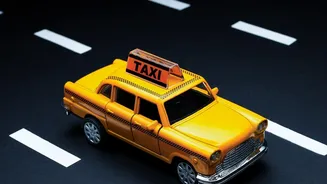
While app-based cabs offer convenience, they aren't the only way to get around. During a heavy surge, it might be faster and cheaper to use traditional transport. Look for local autorickshaws or black-and-yellow taxis, especially if you are familiar with the standard fares for your route. If you're near a metro station, a combination of taking the train for the majority of the journey and then a short auto or cab ride for the last mile can also be a very cost-effective strategy. Similarly, shared rides or carpooling options within the apps are almost always cheaper than booking a private car.