






The Foundation of Coastal Flavour
For generations, life in the coastal city of Mangaluru has been interwoven with the rhythm of the sea and the bounty of the land. This relationship is perfectly encapsulated in its cuisine, which is built upon the foundational pillars of rice, fish, and coconut.
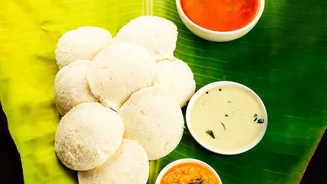
Rice, often the hearty boiled variety, is the staple grain, forming the base of countless meals. Fish, fresh from the Arabian Sea, is not just a protein but a cultural emblem, prepared in dozens of ways. And coconut, in all its forms—grated, milked, or as oil—binds the flavours together, lending a signature richness and aroma to the region's dishes. From the delicate, lace-like Neer Dosa to the fiery fish curries thickened with coconut paste, this combination is more than just food; it is the edible identity of the Tulu Nadu region.
A Global Effort with Local Roots
This treasured culinary heritage is now the focus of a significant new scientific endeavor. Nitte (Deemed to be University) in Mangaluru has officially joined the World Diet Initiative, a global collaboration involving scientists from 12 countries. The initiative, recently launched in the prestigious journal 'Nature Medicine', aims to document and study traditional diets across the world that are at risk of vanishing. Leading the charge in India is Prof. Dr. Anirban Chakraborty, Director of the Nitte University Centre for Science Education & Research (NUCSER). He points to the traditional diet of Mangaluru’s fishing communities, centered on the rice-fish-coconut triad, as a prime example of a food culture deeply connected to its environment and seasonal cycles.
Why This Research Matters Now
The urgency behind the World Diet Initiative comes from a global shift in eating habits. All over the world, unique, locally-evolved diets are being rapidly replaced by uniform, Western-style processed foods. Researchers warn that as these heritage diets disappear, we are also losing invaluable knowledge about how diverse food systems impact human health. There is a growing body of evidence suggesting that communities still following these traditional foodways often report lower incidences of chronic lifestyle diseases, such as diabetes and cardiovascular disorders. The project isn't about romanticising the past, but about understanding the scientific basis for these health outcomes, which could hold clues for preventing disease in modern populations.
Documenting and Understanding
The project is structured with two main components to achieve its goals. The first, the World Diet Atlas, will serve as a comprehensive, open-access database to map and document heritage diets from around the globe. This will include not just the foods themselves, but also details on how they are sourced, prepared, and consumed. The second component, the World Diet Project, will scientifically investigate the biological effects of these diets. Using standardized methods, researchers will study how traditional eating patterns influence the body's immune responses, metabolism, and the gut microbiome, allowing for powerful comparisons across different cultures and environments. This rigorous approach aims to translate ancestral wisdom into actionable scientific insights for future nutritional strategies.
A Rich Tapestry of Flavours
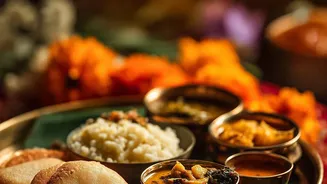
The heritage being studied in Mangaluru is a vibrant mosaic, shaped by the many communities that have called the region home, including the Bunts, Mangalorean Catholics, Saraswat Brahmins, and Beary Muslims. This cultural fusion has given rise to iconic dishes that tell a story. Kori Rotti, a spicy chicken curry served with crisp, dry rice wafers, showcases a unique textural contrast beloved in the region. Patrode, made from colocasia leaves stuffed with a spiced rice flour paste, points to the ingenious use of local greens. By documenting the recipes, cooking methods, and cultural context of these foods, the project aims to create a vital record for future generations of chefs, historians, and home cooks.