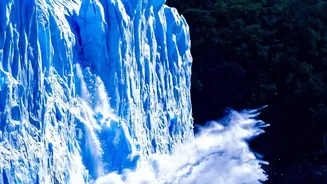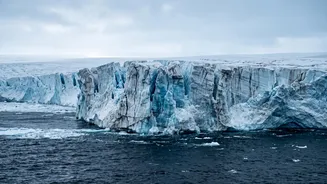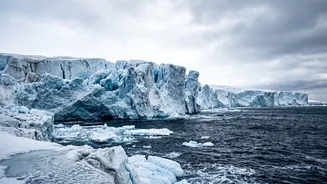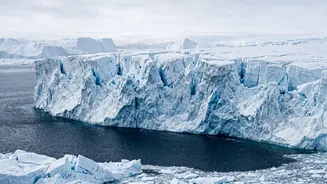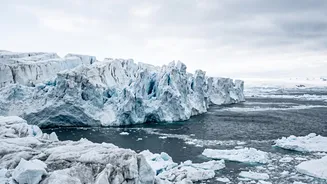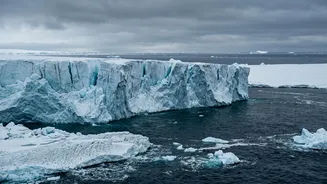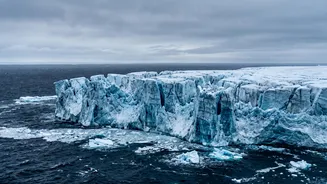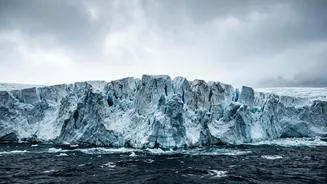



Far away in the icy expanse of West Antarctica sits a glacier so large and unstable it’s been nicknamed the 'Doomsday Glacier'. New research is giving scientists a clearer, more urgent picture of just how quickly it is melting and what that means for
us.
The Doomsday Glacier Explained
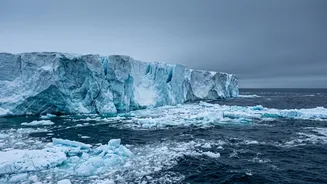
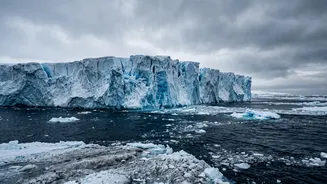
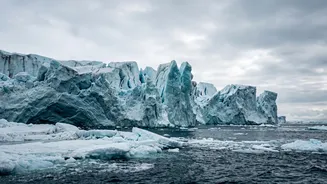
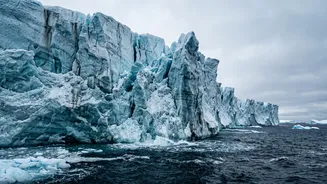
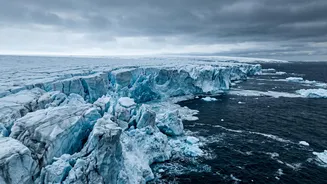
Thwaites Glacier is one of the largest and fastest-melting glaciers on Earth. Covering 192,000 square kilometres, an area roughly the size of Great Britain or the state of Florida, it has earned its ominous nickname for the catastrophic impact its collapse would have on global sea levels. Currently, its meltwater contributes to about 4% of the annual rise in global sea levels, but the real concern lies in its role as a natural dam. Thwaites acts as a plug, holding back the rest of the vast West Antarctic Ice Sheet. Should it collapse, it could trigger a domino effect, destabilising neighbouring glaciers and unlocking enough ice to eventually raise sea levels by several metres.
What The New Research Uncovered
Recent studies have delivered a sobering update. Using new computer models, researchers from the University of California, Irvine, and NASA have found that Thwaites could contribute up to 30 millimeters to sea-level rise by 2100. This figure is double what previous models had estimated. The breakthrough finding, published in Nature Communications, reveals that warm ocean water is penetrating several kilometres further underneath the glacier than previously thought. This aggressive melting from below is happening in a wide 'grounding zone' where the ice meets the seabed, not just at a narrow line, drastically accelerating its retreat. Worryingly, this doubled contribution could happen even without any additional climate warming beyond recent conditions.
The Mechanics of a Melting Giant
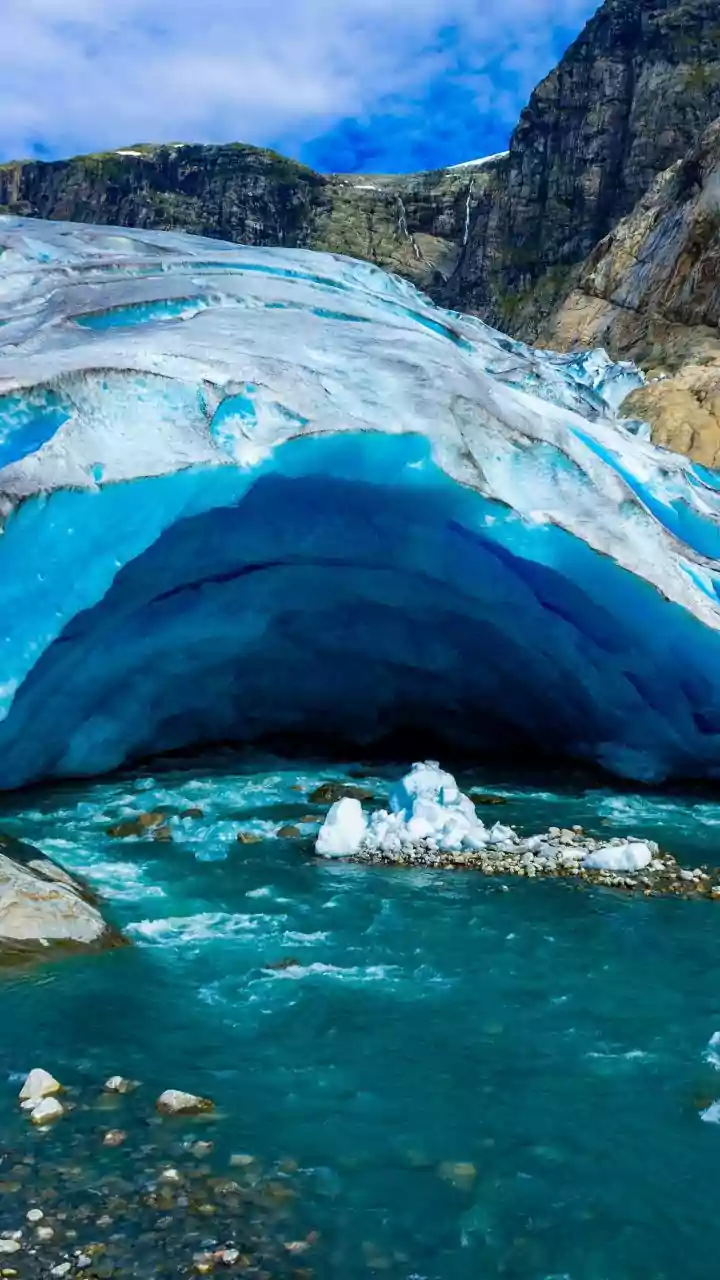
The stability of Thwaites hinges on its connection to the seafloor. The glacier is currently held in place by underwater ridges, which act as anchors. However, as warmer ocean currents, driven by climate change, flow beneath its floating ice shelf, they melt the ice from the bottom up. This process thins the ice and weakens its grip on these crucial anchor points. The new models show this melting is happening more 'aggressively' than was understood. Once the glacier detaches from these ridges, its retreat could become irreversible, as much of the bedrock it rests on slopes downward, offering no further barriers to stop its slide into the sea. The collapse of its floating ice shelf, which acts as a brace, is now predicted to occur within the next decade, further speeding up the glacier's flow.
A Global Threat with Local Consequences for India
While a few dozen millimeters of sea-level rise might sound small, it represents a massive volume of water with significant global consequences. For India, with its long and densely populated 7,500-kilometre coastline, the threat is particularly acute. Major economic hubs like Mumbai, Kolkata, and Chennai are already facing risks from coastal flooding and storm surges. An accelerated rise in sea level would intensify these threats, leading to more frequent and severe flooding, saltwater intrusion into freshwater sources, and devastating coastal erosion. This would endanger not only homes and infrastructure but also the livelihoods of millions who depend on coastal agriculture and fishing, threatening food and water security.
Beyond a Single Glacier : A Planetary Warning
The fate of Thwaites is a critical indicator for the planet's future. The glacier is not an isolated case but a key part of the Earth's cryosphere—its frozen regions—which are exceptionally sensitive to even small fractions of a degree of warming. A recent UNbacked report underscored this , stating that many changes to glaciers and ice sheets will be irreversible even if global temperature targets are met temporarily . The accelerated melt of Thwaites serves as a stark warning from the scientific community . The research highlights that the window to slow down the worst impacts is closing , reinforcing the urgent need for global action to reduce emissions and prepare for the inevitable changes to our coastlines.